Electricity consumption for smelting breaks through the 3,000 mark; QFF process innovation achieves remarkable results at Indonesia's Morowali Industrial Park

Published: Jul 7, 2025 10:04
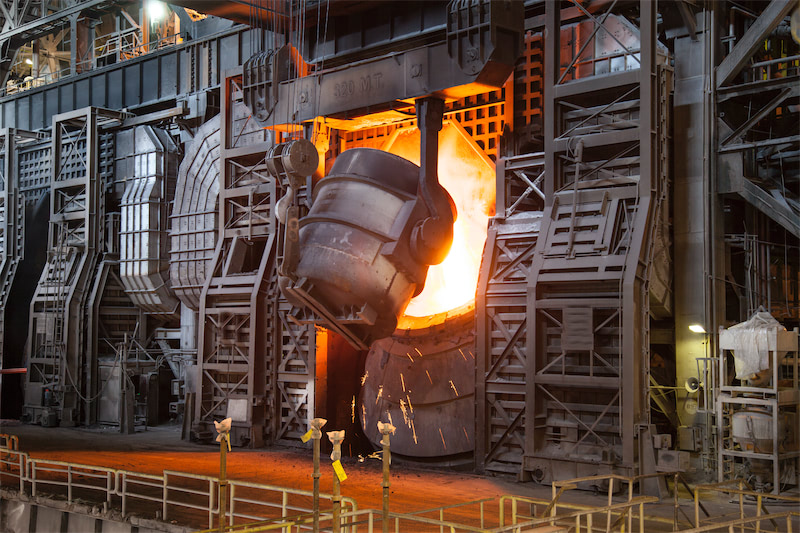
The physical smelting electricity consumption and 50-base smelting electricity consumption for high-carbon ferrochrome production at PT Qingfeng Ferrochrome Indonesia (QFF) in the Morowali Industrial Park, Indonesia, both broke through the 3000kwh/t mark for the first time, dropping from the "3xxx" range to the "2xxx" range. This represents a significant technological breakthrough, achieving a historic low, and marks notable progress for QFF in efficient resource utilization and low-carbon smelting technology.

In June, the actual smelting electricity consumption per mt and the 50-base smelting electricity consumption per mt for high-carbon ferrochrome production at PT Qingfeng Ferrochrome Indonesia (QFF) in the Morowali Industrial Park, Indonesia, both dropped below 3000 kwh/t for the first time, changing from the "3000s" to the "2000s". This marked a significant technological breakthrough, setting a new historical low and indicating that QFF had made remarkable progress in efficient resource utilization and low-carbon smelting technology.

The breakthrough decline in smelting electricity consumption stemmed from two key technological innovations. Firstly, the commissioning of the magnetic separation iron efficient recovery project, which precisely recovered and enriched iron-bearing materials, significantly reducing the amount of return slag entering the furnace, lowering the ineffective load and energy waste within the furnace, and markedly enhancing the utilization efficiency of raw materials. Secondly, the optimization of flux substitution ratios, which involved experimenting with the partial substitution of basic materials for the original flux. This new process optimized slag performance, effectively reducing the total amount of flux entering the furnace and directly lowering the high energy consumption required for flux decomposition and melting.

These two innovations produced a synergistic effect, with the reduction in return slag volume alleviating the subsequent processing load, and the decrease in total flux volume reducing energy consumption in raw material preparation, processing, and transportation. Combined with lean management of power consumption throughout the entire process (raw material handling, environmental protection, water circulation, etc.), a systematic optimization of comprehensive electricity consumption was achieved. This move not only significantly reduced the production cost per mt of iron and carbon emissions, enhancing product competitiveness, but also effectively promoted resource recycling and optimization of the raw material structure.

QFF General Manager Qin Huaxiang stated, "The magnetic separation iron recycling and flux substitution processes are innovative applications guided by the lean management philosophy. The 3000 kwh/t smelting electricity consumption is a breakthrough result of the deep integration of technological innovation and lean management. This marks a solid step forward for the company in transforming into a resource-conserving and environmentally friendly enterprise. Next, QFF will continue to deepen technological potential exploration and drive the enterprise towards a green and high-quality development direction."
 

Data Source Statement: Except for publicly available information, all other data are processed by SMM based on publicly available information, market communication, and relying on SMM‘s internal database model. They are for reference only and do not constitute decision-making recommendations.

For any inquiries or to learn more information, please contact: lemonzhao@smm.cn
For more information on how to access our research reports, please contact:service.en@smm.cn
Related News
MMi Daily Iron Ore Report (June 3)
8 hours ago
MMi Daily Iron Ore Report (June 3)
Read More
MMi Daily Iron Ore Report (June 3)
The DCE iron ore futures traded weak today. The most-traded contract I2609 closed at 780 yuan/mt, down 0.57% from the previous trading session. Port spot prices fell 3-5 yuan/mt from the previous day. Traders showed moderate enthusiasm in offering prices; steel mill purchases were mostly driven by rigid demand; overall spot market transactions remained thin as of now.
8 hours ago
6.3 SMM Global Steel Daily Report
8 hours ago
6.3 SMM Global Steel Daily Report
Read More
6.3 SMM Global Steel Daily Report
SMM News Flash:  [Billet] Today, export steel billet offers held steady. It was learned that regional offers showed slight divergence — northern offers were generally higher with steel mills showing weak willingness to sell, while east China offers were relatively lower but still above buyer expectations, resulting in mediocre transaction activity. [Indonesia] A steel mill in Indonesia offered HRC export prices at 515 USD/tonne FOB for July. Market rumors suggested that prices still faced further downward pressure, as most steel mills had not yet received sufficient orders for July.
8 hours ago
[SMM Hot-Rolled Coil Daily Trading] Spot Trading Volume Narrowly Decreased
8 hours ago
[SMM Hot-Rolled Coil Daily Trading] Spot Trading Volume Narrowly Decreased
Read More
[SMM Hot-Rolled Coil Daily Trading] Spot Trading Volume Narrowly Decreased
[SMM Hot-Rolled Coil Daily Trading] Spot Trading Volume Narrowly Decreased
[SMM Hot-Rolled Coil Daily Trading] On June 3, the combined daily trading volume of hot-rolled coil from SMM's sample enterprises across four cities (Shanghai, Lecong, Tianjin, and Ningbo) totaled 13,880 mt, down 680 mt DoD (-4.9%), up 41.92% YoY (solar calendar), and up 23.05% YoY (lunar calendar).
8 hours ago