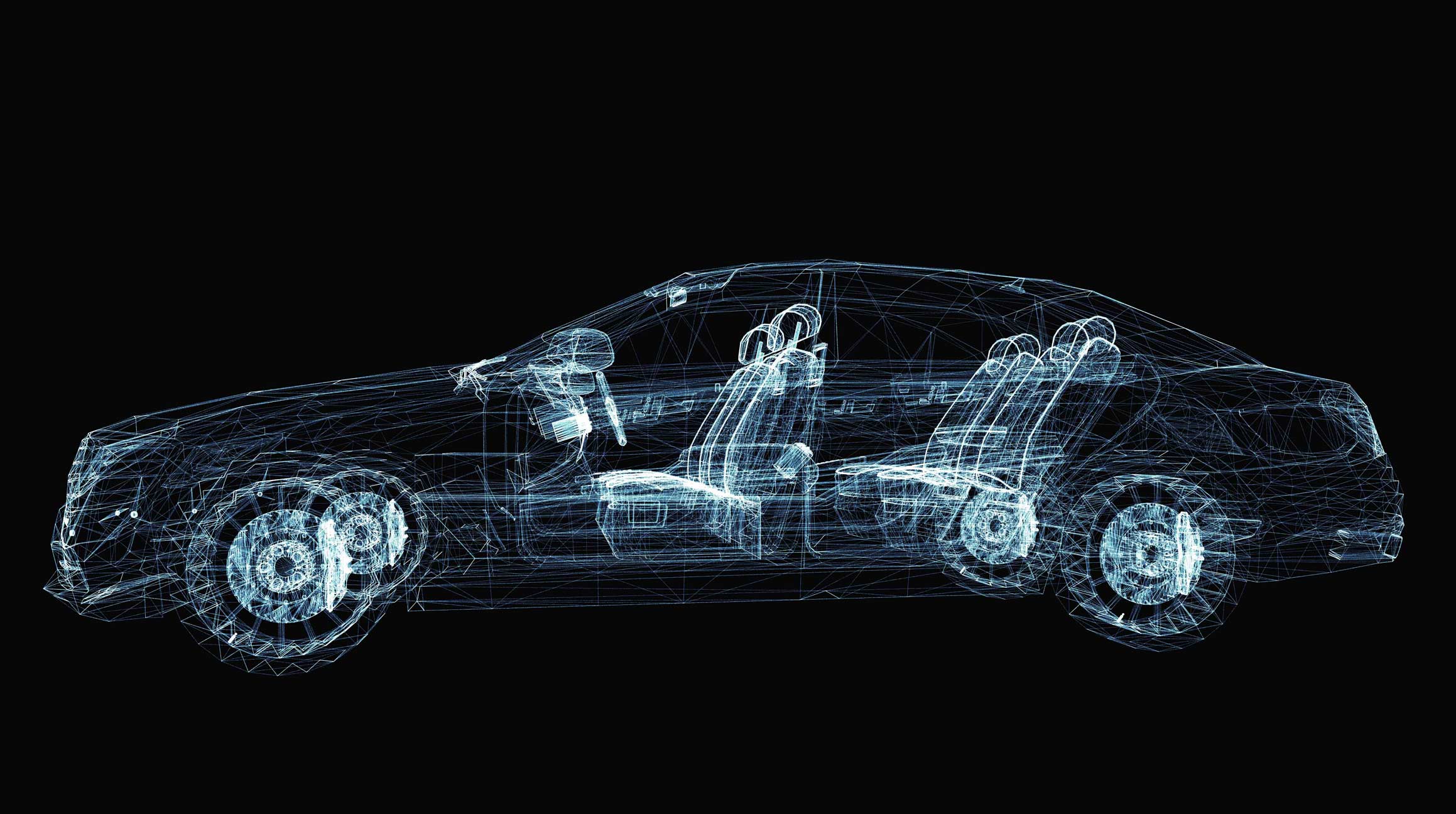
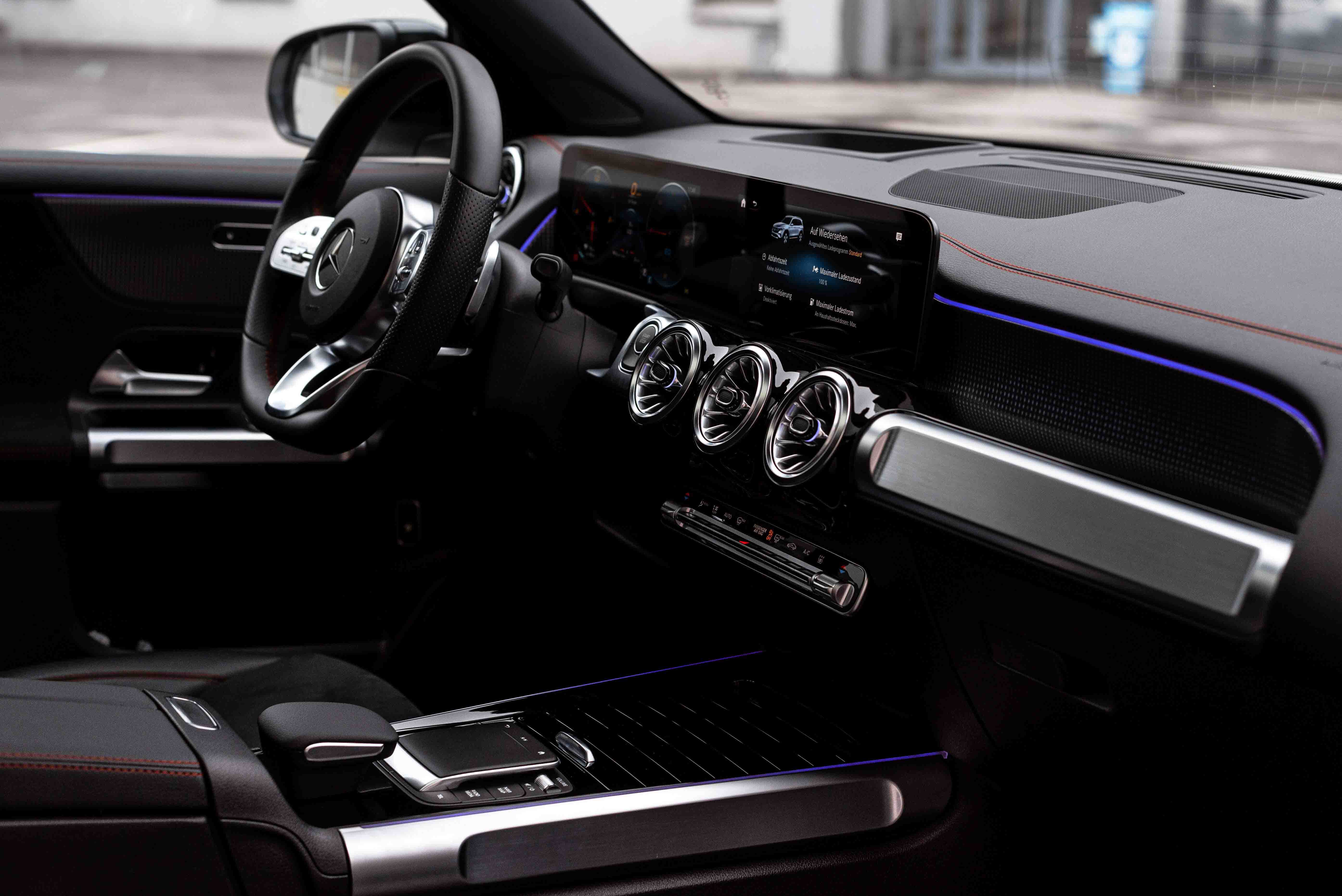
Shanghai (Gasgoo)- GAC AION's second-generation AION V, equipped with Pony.ai's seventh-generation autonomous driving system, has officially received road testing permits for intelligent connected vehicles and has begun public road testing in Guangzhou and Shenzhen, according to a press release Pony.ai issued on June 6 via its WeChat account.
This milestone marks the transition of Pony.ai's latest self-driving system from lab and closed-course validation to real-world traffic environments, significantly accelerating its path to mass production and commercialization.
Notably, this development comes just over a month after the system's global debut at the AUTO SHANGHAI 2025, underscoring Pony.ai's rapid pace in technology development and real-world deployment.
The seventh-generation system introduces three core breakthroughs: 100% automotive-grade components, a 70% reduction in total hardware cost compared to the previous generation, and a platform-based design enabling rapid adaptation across multiple vehicle models. The system is equipped with six types of mass-produced sensors, delivering 360-degree redundant perception with no blind spots. These are paired with Pony.ai's proprietary sensor-cleaning technology to ensure reliable performance under adverse weather and extreme conditions.
It is also the world's first L4 autonomous driving system entirely powered by automotive-grade chips, capable of full-scenario, driverless operation. By optimizing algorithms and inference efficiency, the system achieves L4 safety using more cost-effective hardware. Its multi-layered redundant architecture includes over 20 safety redundancies, more than 1,000 diagnostic checks, and multiple fallback strategies to ensure safe operation. Built on the PonyWorld world model foundation and enhanced through reinforcement learning, the system surpasses human-level safety performance and continually evolves to handle complex driving scenarios under all conditions.
The rapid rollout of this system builds on Pony.ai's extensive experience from previous generations. Through its fifth- and sixth-generation vehicles, the company has established an operating network spanning over 2,000 square kilometers across China's four top-tier cities—Beijing, Shanghai, Guangzhou, and Shenzhen. This network covers complex urban locations such as train stations, airports, and commercial hubs. To date, Pony.ai has logged over 45 million kilometers of global autonomous vehicle testing and delivered more than 500,000 hours of fully driverless, all-weather, full-scenario operations over the past two years—laying a strong foundation for the seventh-generation system's capabilities.
The second-generation AION V autonomous vehicle entering road testing was co-developed by GAC AION and Pony.ai. Since the two companies formed a strategic partnership in 2018, they have deepened collaboration in L4 autonomous vehicle R&D, deployment, and investment. In 2022, the AION LX model powered by Pony.ai's 6th-generation autonomous driving system was included in Guangzhou's second batch of models approved for intelligent connected vehicle road tests and began public services. Building on this, the partnership was further upgraded at the end of 2023. Leveraging AION's global vehicle platform and Pony.ai's 7th-generation system, they began joint development of a fully redundant, pre-installed autonomous vehicle platform, aiming for launch in the Guangdong-Hong Kong-Macao Greater Bay Area by 2025. This marks a significant step toward maturity in their end-to-end L4 technology stack.