According to data from Statistics South Africa, the country's mining production fell sharply by 9.6% in February, signaling a worrying performance for the mining sector in Q1, which may negatively impact the actual GDP for the first quarter of the year.
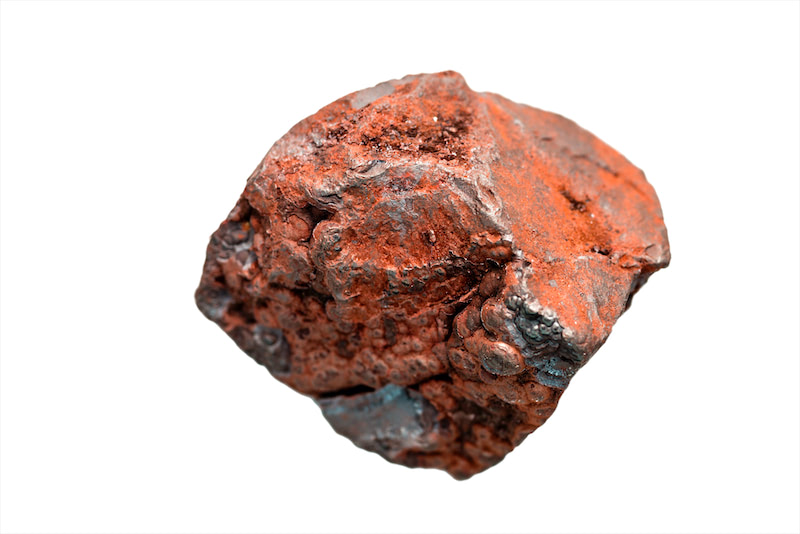
The data indicates that the overall decline in production was mainly due to a nearly 24% drop in platinum group metals (PGM) production and a more than 10% decrease in iron ore production. Following a 2.7% contraction in mining production in January, both mining production and its contribution to actual GDP are expected to decline in Q1 2025. Hugo Pienaar, chief economist at the Minerals Council South Africa, noted that although March production data has not yet been released, the January and February data already show a significant quarterly decline in mining production in the first quarter of 2025, and mining will have a major negative impact on actual GDP in the first quarter.
It is worth noting that despite the low prices of most commodities in 2024, the mining industry still made an important contribution to South Africa's GDP, accounting for about 6% (R433 billion). Last year, total mineral exports exceeded R774 billion, with significant tax contributions.
In the PGM sector, which is the largest employer group in South Africa's mining industry, production cuts are being made to adapt to an uncertain demand environment. However, since 2025, the rand prices of platinum, palladium, and rhodium have risen due to the expected slowdown in EV adoption outside China, which has provided some breathing space for PGMs used in internal combustion engine vehicles. However, tariff uncertainties have made major producers reluctant to increase production in the short term.
In terms of iron ore production, the decline is attributed to production cuts and business restructuring by companies such as Kumba Iron Ore, mainly due to rail transport constraints affecting exports rather than changes in market demand. As a subsidiary of Anglo American, one of the world's largest iron ore producers, the company has revised its production forecast for this year from the previous 39-41 million mt to 35-37 million mt. Efforts are being made to improve rail transport, but tangible results will take time. Ore producers have proposed granting third-party access to the lines of South Africa's state-owned transport group.
On a monthly basis, production declined in 9 out of 12 mining subcategories in February. Annabel Bishop of Investec stated that concerns about global economic growth triggered by US tariffs have negatively impacted commodity prices and related currencies, with the rand exchange rate also affected, further influencing fuel and food prices. However, given that South Africa's economy is driven by consumption growth and has a wide range of trading partners, the domestic economy is not expected to fall into recession.
![[Resumen del mineral de hierro de China] Los precios de los concentrados de mineral de hierro en la región de Liaodong pueden consolidarse](https://imgqn.smm.cn/usercenter/UrrTG20251217171717.jpg)