From Mines to Batteries: How the Global Energy Transition Shapes the Metal Supply Chain

Publicado: Feb 25, 2025 17:02
As the world economy is turning towards renewable energy solutions, companies worldwide are attempting to figure out what that does to metals' supply chains of metals such as aluminum, copper, and zinc. These metals, the foundation of renewable energy infrastructure, battery technology, and electric vehicles (EVs), are more important than ever. But with that new demand come new issues, like resource availability, geopolitical tensions, and the ecological costs of extracting and processing them.

As the world economy is turning towards renewable energy solutions, companies worldwide are attempting to figure out what that does to metals' supply chains of metals such as aluminum, copper, and zinc. These metals, the foundation of renewable energy infrastructure, battery technology, and electric vehicles (EVs), are more important than ever. But with that new demand come new issues, like resource availability, geopolitical tensions, and the ecological costs of extracting and processing them.

The Central Position of Aluminum, Copper, and Zinc in the Energy Transition

Aluminum, copper, and zinc lie at the very center of the renewable energy transformation. They form the backbone of green technology creation and use, from power distribution systems and electric vehicles to windmills and solar panels.

Copper: The Indomitable Carrier of the Energy Revolution

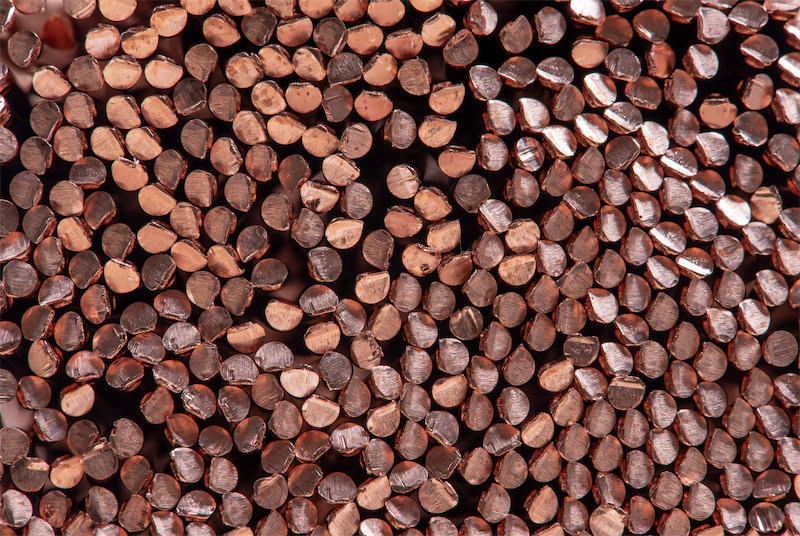
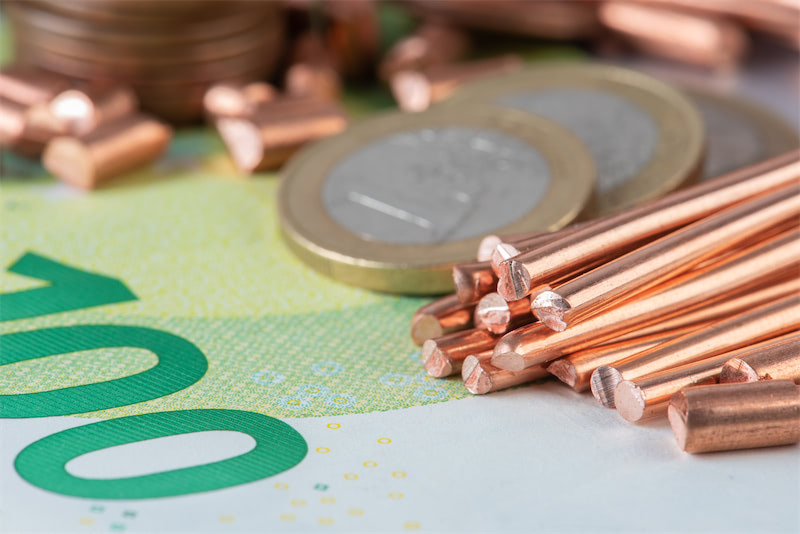
Copper has been referred to as the "metal of the future" due to its unparalleled conductivity, making it the preferred material for electrical uses. As international focus on electrification increases, demand for copper is on the rise. Copper is a vital material used for renewable energy systems, electric vehicles, and producing charging devices. Demand for electric vehicle copper alone is anticipated to increase by over 40% by 2030, according to the International Copper Association.

With this explosive demand, the prices of copper have registered price volatility to new heights. February 2025 prices ranged from $9,400 to $9,430 per metric ton as the market experienced severe episodes of high volatility ushered in by the risky world demand and supply (SMM Copper Weekly, 2025). The prices are controlled by a myriad of factors such as:

The relentless demand for copper in the EV sector.

Capped growth of global copper mining operations, which can't keep up with surging demand.

Geopolitical risk and supply chain disruption, such as trade tensions and miner strikes.

According to SMM, despite high prices, there is sluggish demand in certain regions of the world, leading to the world supply bottleneck. The issue now comes down to aligning this growing demand with supply constraints, particularly in the mining sector.

Aluminum: A Driving Force Behind Green Technologies

The second, and as vital, energy transition metal is aluminum. It's used all across solar panels, windmills, and electric cars due to its lightweight nature, high strength, and being recyclable. With advances in technology concerning the use of renewable energy getting old and spreading alongside its proliferation, the world will increasingly be seeking aluminum. Aluminum is very highly responsive to actions taken through policies and movements of the economy as well. The transformation is compelling aluminum producers to redesign how they produce it in a bid to avoid carbon emissions. The aluminum industry needs to decarbonise to enable more ambitious climate targets globally, states a recent International Aluminium Institute report. Aluminum producers must ensure novel solutions become their top priority in the guise of using renewable power in smelting and inventing more effective technologies.

Zinc: Imperative for Battery and Infrastructure Expenditure

Zinc is another metal which is also seeing increasing demand, namely for battery manufacturing and corrosion-resistant coating employed in infrastructure. Zinc's principal application in the energy revolution is in application to zinc-based batteries, technology that is increasingly gaining traction due to its cost competitiveness and safety record over lithium-ion equivalents.

As of February 2025, zinc was priced at $2,930 per metric ton as price varied by direction of world demand and change in mining production (SMM Zinc Weekly, 2025). Future battery technology gains and increasing usage of corrosion-resistant metals will push the price of zinc even higher in the next two years. But even with copper and aluminum, zinc is faced with the uselessness of overtaking the growing demand due to the dwindling supply and extraction-related issues.

Supply Chain Issues: Geopolitics, Depletion of Resources, and Environmental Factors

As a growing demand is being observed in these metals, aluminum, copper, and zinc are faced with a series of supply chain issues.

Limited supply of raw material is one of the biggest issues. The mining industry has lagged behind in increasing production volumes to keep up with the fresh demand, hence resulting in shortages of supply and price fluctuations. Zinc prices will keep trading at high levels in the near term owing to macroeconomic as well as supply fundamentals, SMM's Zinc Weekly added. Geopolitical tensions are also one of the main factors in affecting metal supply chains. Most of the largest copper, aluminium, and zinc deposits are found in politically unstable countries. To take an example, large-scale copper mining in Chile and Peru has been halted by political unrest and strikes. Aluminium is highly geographically concentrated in Russia, Australia, and China and could lead to supply disruption if there is any geopolitical tension.

SMM's Role in Leading the Metal Supply Chain

When business and stakeholders are still struggling to obtain aluminum, copper, and zinc, being on the right side of facts and information is more important than ever. That's where SMM (Shanghai Metals Market) steps in with providing end-to-end intelligence, industry news, and market reports. SMM has remained a true companion to the metal industry for over two decades with tailored reports and live data to help stakeholders make smart decisions.

For companies seeking safe, compliant sources of copper, zinc, and aluminum, SMM's comprehensive industry contacts and data place them to negotiate best available prices and take supply chain risk. SMM also organizes periodic industry conferences such as the SMM Copper Industry Conference and SMM Zinc & Lead Conference that provide companies with opportunities for networking and keeping themselves informed on the latest market trends.

Conclusion: The Road Ahead for the Metal Supply Chain

As the world continues to transition energy, the need for metals like aluminum, copper, and zinc will continue to increase. The supply chain of metals is, however, under threat from a myriad of challenges in the form of limited resources, geopolitical threats, and environmental concerns. With the experience and knowledge that platforms like SMM offer, business firms can navigate these challenges and access a secure supply of key metals.

SMM, being blessed with strong market and data analysis, is very much equipped to help businesses get ahead so they can match growing demand for metal while charting the movements in the world's supply chain dynamics.

Declaración de Fuente de Datos: Excepto la información disponible públicamente, todos los demás datos son procesados por SMM basándose en información pública, comunicación de mercado y confiando en el modelo de base de datos interna de SMM. Son solo para referencia y no constituyen recomendaciones para la toma de decisiones.

Para cualquier consulta o para obtener más información, por favor contacte: lemonzhao@smm.cn
Para más información sobre cómo acceder a nuestros informes de investigación, contacte con:service.en@smm.cn
Noticias relacionadas
Bezant apunta al primer concentrado en Hope & Gorob, Namibia, en septiembre
hace 6 horas
Bezant apunta al primer concentrado en Hope & Gorob, Namibia, en septiembre
Leer más
Bezant apunta al primer concentrado en Hope & Gorob, Namibia, en septiembre
Bezant Resources dijo que el desarrollo del proyecto de cobre y oro Hope & Gorob en Namibia y la planta de procesamiento de metales Tsoaxaub asociada sigue en línea con el cronograma actual del proyecto, y se espera que el primer mineral de mina se procese durante septiembre de 2026. Sujeto a la finalización de las actividades de puesta en marcha restantes, se espera que el procesamiento del primer mineral de mina genere el primer concentrado del proyecto. El mineral de las dos primeras voladuras ya se ha acopiado y está listo para su transporte a la planta de procesamiento, mientras que Bezant señaló que el tonelaje acopiado superó las proyecciones iniciales debido a la recuperación adicional de mineral registrada en el inventario mineral de la empresa. Los trabajos de desarrollo avanzan tanto en la mina como en la planta de procesamiento. La construcción del campamento en el sitio de la mina está aproximadamente al 75% completada, alrededor del 75% de la infraestructura de superficie se ha entregado y se está instalando, y las flotas completas de minería y transporte de Unitrans ya están en el sitio. En la planta de Tsoaxaub, Bezant ha recibido el Certificado de Finalización Civil y Estructural C1, que confirma la finalización de las principales obras de acero estructural y obras civiles, mientras que el Certificado de Finalización Mecánica C2 está programado para completarse durante septiembre. Los accionamientos eléctricos y la instrumentación están aproximadamente al 90% completados, y el chancador de cono, el equipo de flotación, la infraestructura de relaves y otros componentes de procesamiento se encuentran en preparación final antes de la puesta en marcha. Bezant también ha acelerado su revisión de un plan de expansión de Fase II, considerando los precios actuales y proyectados del cobre, el oro y la plata, así como la posible inclusión de mineralización de menor ley que anteriormente se había considerado subeconómica. La empresa está evaluando una estrategia operativa de mayor extracción de masa para el clasificador de mineral que podría aumentar las recuperaciones de cobre, aunque potencialmente con una ley de preconcentrado más baja. Con base en el inventario mineral actual, el recurso mineral JORC (2012) existente, la capacidad planificada de la planta de flotación y el escenario de mayor extracción de masa en consideración, la gerencia cree que Hope & Gorob tiene el potencial de sustentar una vida útil de mina de aproximadamente 35 años. Bezant aún no ha publicado un modelo económico revisado que incorpore este escenario de mayor vida útil. Análisis de SMM: El objetivo de procesamiento de septiembre sitúa a Hope & Gorob cerca de la transición del desarrollo minero a la producción inicial de concentrado, con mineral de mina ya acopiado y la infraestructura clave de procesamiento acercándose a la finalización mecánica. La posible vida útil de 35 años y la expansión de Fase II siguen bajo revisión técnica y económica y no deben tratarse todavía como un plan de desarrollo revisado confirmado. A corto plazo, el hito clave a observar será la finalización de la puesta en marcha de la planta y la confirmación de la primera producción de concentrado durante septiembre.
hace 6 horas
SMM espera que la tasa operativa general de ánodos de cobre aumente ligeramente intermensual en septiembre
hace 6 horas
SMM espera que la tasa operativa general de ánodos de cobre aumente ligeramente intermensual en septiembre
Leer más
SMM espera que la tasa operativa general de ánodos de cobre aumente ligeramente intermensual en septiembre
[SMM Cobre Ánodo Flash] SMM espera que la tasa operativa general de las empresas de ánodos de cobre de China repunte 1,30 puntos porcentuales intermensuales hasta el 44,11% en septiembre de 2026. Entre ellas, se espera que la tasa operativa de las empresas de ánodos de cobre primario caiga 7,19 puntos porcentuales intermensuales hasta el 57,88% debido al mantenimiento en algunas empresas y al aumento de la capacidad de refinado; se espera que la tasa operativa de las empresas de ánodos de cobre secundario repunte 4,76 puntos porcentuales intermensuales hasta el 38,48%. (Solo ánodos de cobre no cautivos)
hace 6 horas
La tasa operativa de ánodos de cobre de SMM en China cayó al 42,81 % intermensual en agosto
hace 6 horas
La tasa operativa de ánodos de cobre de SMM en China cayó al 42,81 % intermensual en agosto
Leer más
La tasa operativa de ánodos de cobre de SMM en China cayó al 42,81 % intermensual en agosto
[SMM Flash Ánodo de Cobre] En agosto de 2026, la tasa operativa de las empresas de ánodos de cobre de SMM China fue del 42,81%, una caída de 1,85 puntos porcentuales intermensual. Por materia prima, la tasa operativa de las empresas de ánodos de cobre primario subió 1,54 puntos porcentuales intermensual hasta el 65,07%; la tasa operativa de las empresas de ánodos de cobre secundario cayó 3,23 puntos porcentuales intermensual hasta el 33,72% debido a la escasa oferta de chatarra de cobre con impuestos incluidos. (Solo ánodos de cobre no cautivos)
hace 6 horas
From Mines to Batteries: How the Global Energy Transition Shapes the Metal Supply Chain - Shanghai Metals Market (SMM)