The green transition, driven by the global race for renewable sources of energy, will no doubt transform both industries and economies. Interest from governments, businesses, and consumers in sustainable living has surged, hence a surge in demand for new energy technologies such as electric vehicles, renewable energy storage, and efficient energy solutions. Such transformation does not come without its challenges, notably in the security of supply for metals that these technologies depend on.
Against this background, the new energy metal market is faced simultaneously with dual challenges: rapid growth in demand for metals critical to green technologies and shortages of key metals. The following article focuses on various challenges lying ahead-along with opportunities-for such metals as lithium, cobalt, and graphite-while setting out the more general implications for businesses in a changing landscape.
The Green Transformation and the New Energy Metal Market
Much of the development that is being done with green technologies relies on an increased supply of the particular metals needed to fabricate batteries, renewable energy installations, and electric vehicles. In this respect, the key contributors are lithium, cobalt, nickel, graphite, and rare earth elements, highly critical for lithium-ion batteries and other energy storage solutions.
Growth in Green Energy Needs
It projects that, due to the rapid adoption of electric vehicles-a class of technologies whose batteries depend on huge sums of material inputs among others, critical minerals demand from the energy sector could be as high as four to six times beyond current levels by 2040. For instance, lithium, one of the most crucial components of electric vehicle batteries, has in recent years alone seen its demand spiral upwards, and will do so going into 2030 by over 700%, according to projected demands.
Front and center is China, which has been ramping up local production of battery-grade lithium and graphite. Long a dominant player in energy metals, Chinese investments in clean energy technologies have been more aggressive, indeed reflecting the country's commitment to green transformation. As the largest consumer of electric vehicles in the world, China plays a very important role in driving the global demand for these metals.
Metal Shortages and Supply Chain Disruptions
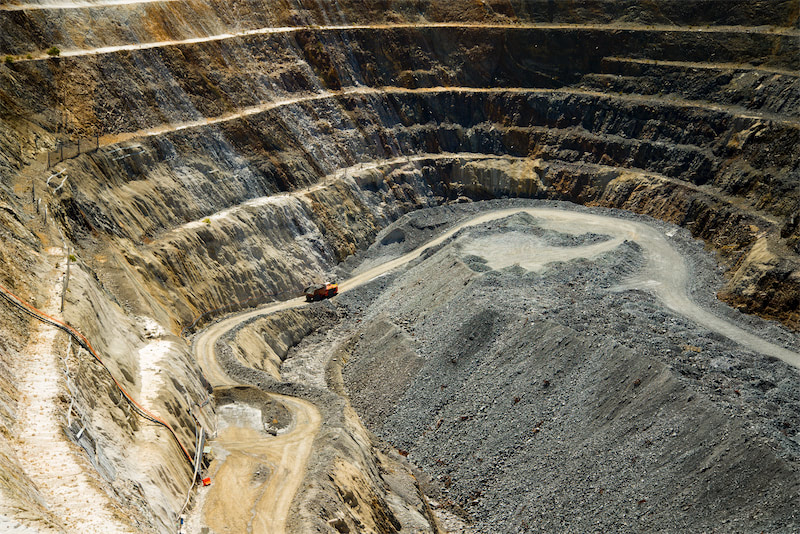
This, in turn, puts supplies of such vital materials at risk, while demand for new energy metals is growing rapidly. Ecological considerations, political instability in the key mining areas, and slow development of new mining projects have been causing delays and disruptions, seriously affecting mining operations of lithium, cobalt, and other critical minerals. Mining of these metals in certain instances involves considerable ecological risks.
For example, most of the cobalt used is sourced from the Democratic Republic of the Congo, which is often embroiled in political turmoil and other human rights issues. As demand increases, ethical sourcing and sustainability concerns are also on the rise for cobalt. This means that even though companies in the new energy sector are in need of such metals, there must also be a correspondingly louder call for responsible sourcing.
The World Economic Forum has also pointed out that nickel-another crucial metal for EV car batteries-is particularly vulnerable to disruptive supplies. The demand for nickel is supposed to double in 2030, while its supply, according to a report by the International Nickel Study Group, is unlikely to increase at such a fast pace. This gap is a real danger to the green transition and may serve to push metals' prices upwards.
The Role of Recycling and Secondary Market Supply
Besides these supply challenges, the emphasis is laid on recycling and secondary market supplies for some of the key materials like lithium, cobalt, and graphite. Growing awareness of mining's environmental impact and growing demand for battery materials fostered innovative ways to develop technologies for battery recycling. Right in the middle of these developments are companies such as SMM, which has been able to provide data analytics and price reporting services in this complex market.
In fact, according to SMM analysis, one of the promising ways to increase the recycling market in the next couple of years is represented by so-called secondary raw material-recovered active materials, either lithium or cobalt. A lot less, therefore, may be expected through pressures on basic metals production. Also, in case any factor of the supply shortfall issue arises.
The scale of the challenges in securing reliable supplies of metals is only matched by the opportunities for businesses in the new energy sector to innovate, diversify, and capture emerging trends.
The Rise of Alternative Materials and Innovation
This critical shortage of metals has sent many companies scrambling for alternative materials that could replace or at least minimize dependence on a resource in short supply. To that end, graphene, a form of carbon, may altogether replace traditional graphite in batteries and promises to make lighter and more efficient energy storage devices.
Besides, solid-state batteries will likely diminish dependencies on metals like cobalt and nickel since their making requires a different type of material from what is required to make a lithium-ion battery. With still early days of commercialization ahead, these next-generation batteries may well change the dynamics in this energy storage market.
Sustainability and innovation are the latest trends that have raised high time for the companies in the new energy metal market to eye new business models and partnerships. For example, SMM provides detailed market insights that help businesses stay on top of price trends and optimize procurement strategies to outcompete others.
How Data and Analytics Drive Strategic Decision-Making
Competition is huge in the market today, and businesses need updated, accurate data to make good decisions. That is where SMM's services become invaluable. With more than 100 professional analysts supporting them, SMM provides information in-depth insight into market analysis, the most recent price reports, and insight into the direction of future trends for such metals as cobalt, graphite, lithium, and nickel.
SMM's flagship product, DatabasePro, offers historical and projected data, of much practical use in enterprises dealing in anode materials or those companies participating in the value chain of lithium batteries. This would help in comprehending emerging trends in prices and developing proper strategic decisions in procurement and supply chain management to hedge risks and exploit market opportunities.
Growing Importance of Strategic Partnerships
With the increased demand for energy metals, strategic partnerships down the value chain will be important in ensuring a stable supply of strategic raw materials. The ability of firms to form partnerships either with mining operations or recycling firms will be at an advantage in terms of achieving a stable supply of metals. Through the alignment of responsible suppliers and keeping pace with changing regulations, companies can safeguard their operations against disruptions well into the future.
Key Growth Areas for Partnership: Anode Material and Electrolyte Markets
Anode materials and electrolytes are among the most crucial markets towards the green transition, owing to their vital role in lithium-ion batteries, extending from EVs to renewable energy storage systems.
Data from SMM shows that anode materials and electrolytes are fluctuating in price, and at the lower ends, businesses can take advantage of such prices. For example, the prices of anode material-graphite among them-are currently experiencing slight decreases in price at the time of writing and would be a good time for manufacturers to lock in lower prices.
Another promising growth in the demand for batteries storing energy and electrical vehicles is noticed in the electrolyte market. As per the price assessments recorded by SMM, some electrolytes participating in lithium-ion batteries have fluctuated in prices and hence have shown a way for businesses to get favorable contracts.
Navigating Regulatory Landscapes
The green transition means increased scrutiny for regulation to catch up, particularly on ethical sourcing. The European Union's Conflict Minerals Regulation and other similar initiatives in the world set a platform for the establishment of stricter guidelines for sourcing materials like cobalt and lithium.
Businesses that focus on compliance-for instance, with the set of regulations arising from SMM's market analysis-will be better equipped to deal with the complexity of the new energy metal market. Companies will have to ensure supply chain transparency and responsibly source materials for regulatory compliance but also to meet the growing consumer demand for goods more ethically produced.
Conclusion: A Balancing Act Between Challenge and Opportunity
The green transition has brought a complex set of challenges and opportunities for companies in the new energy metal market. On one hand, the soaring demand for critical materials like lithium, cobalt, and graphite creates significant supply risk. On the other hand, innovations in recycling, alternative materials, and data-driven market insights offer exciting opportunities for businesses to adapt and thrive.
With the green energy revolution in full bloom, only companies that stay ahead of the information curve, put sustainable practices in place, and forge strategic partnerships will ride the storm and make money from an ever-growing demand for clean energy solutions.