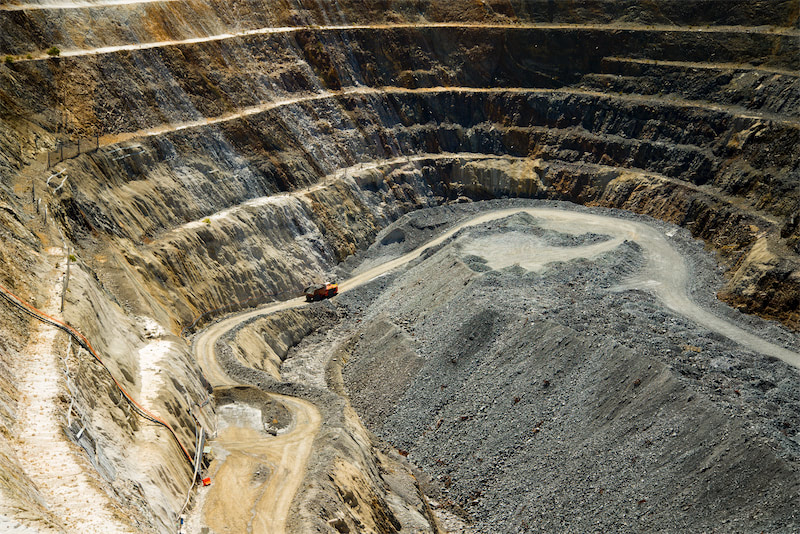
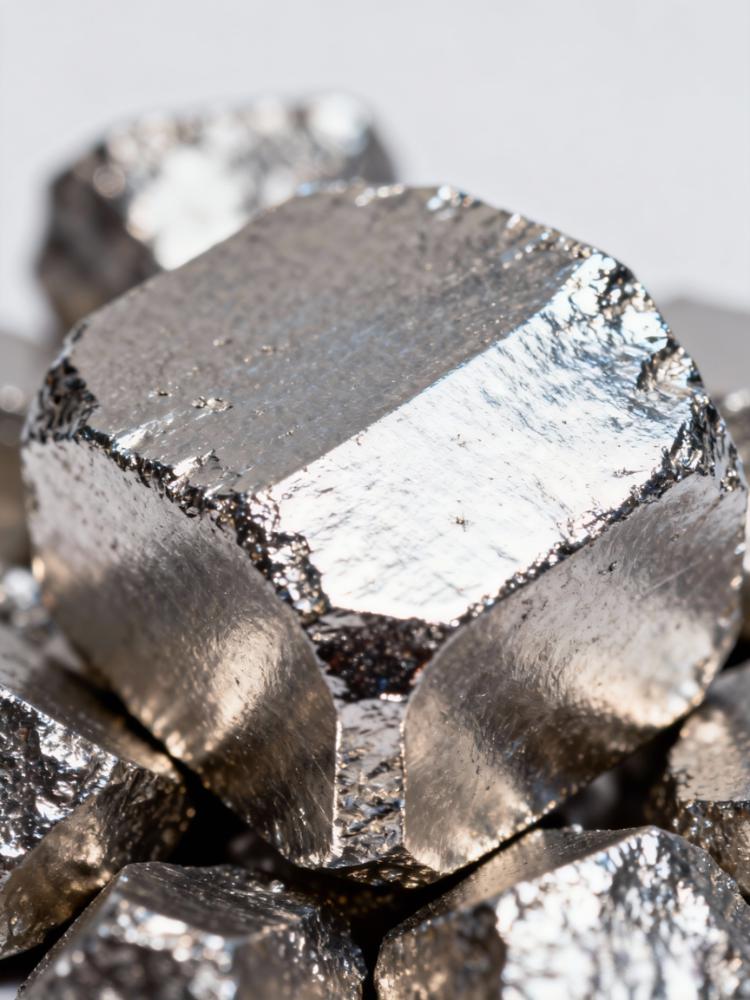
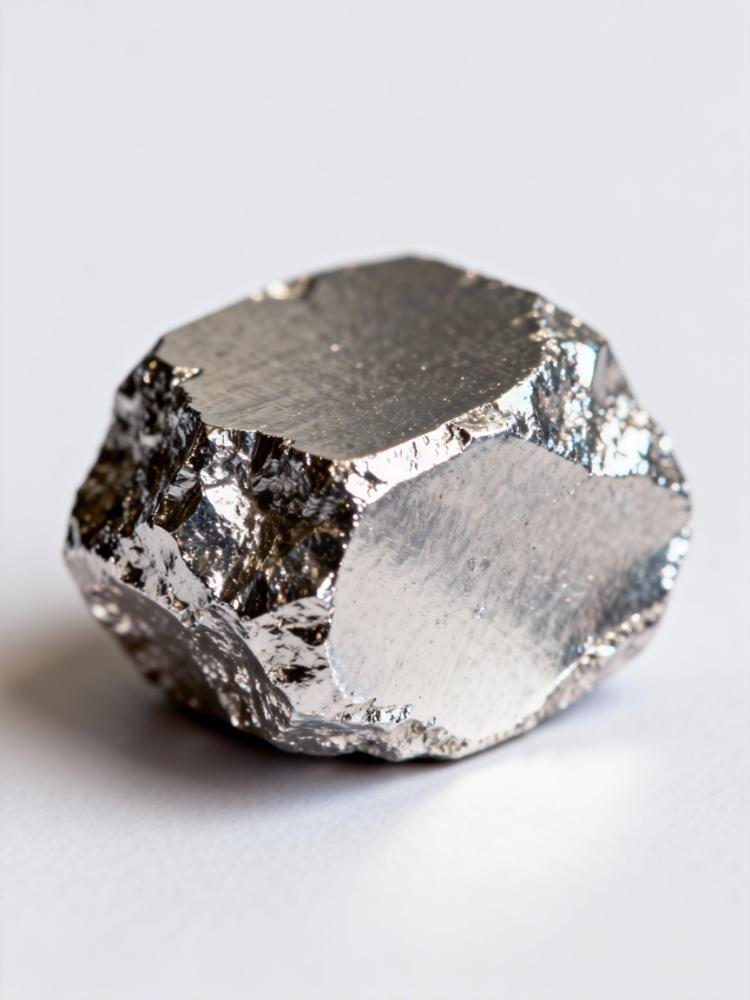
On February 3, 2025, the Philippine Senate passed a bill banning nickel ore exports. The bill is currently under review by a bicameral committee and has not yet been signed into law. The subsequent review of the bill will take place after the Congress reconvenes in June. Meanwhile, Philippine Senate President Francis Escudero expressed hope for a bicameral committee to collaborate with members from both the Senate and the House of Representatives to review the bill.
In a briefing, Escudero stated, "I hope it can be completed during the recess so that we can approve it when we reconvene." The bill aims to promote downstream development in the mining industry by banning raw ore exports. If signed into law, it will be implemented five years later to allow miners time to build processing plants. "If the bill is passed, we will eventually have ore processing capacity, which will be a transformation for the country," said Escudero, who is the drafter of the bill's third reading and final version.
The Philippines is the world's second-largest supplier of laterite nickel ore. According to SMM statistics, the Philippines shipped 54 million mt in total in 2024, of which approximately 43.5 million mt were sent to China and 10.35 million mt to Indonesia.
In recent years, the Philippine government has been attempting to learn from Indonesia, the world's largest nickel supplier, to increase mining revenues by encouraging miners to invest in processing facilities rather than merely exporting raw ore. However, the industry generally believes that the Philippines is relatively unlikely to fully replicate Indonesia's ore export ban, primarily due to the following factors:
1. Backward Infrastructure: Indonesia's infrastructure is relatively well-developed, capable of attracting foreign investment in supporting smelting and downstream factories, whereas the Philippines' infrastructure is relatively underdeveloped.
2. Basic Resources: Indonesia has relatively abundant hydropower and coal resources, while the Philippines lacks sufficient coal resources and has no price advantage. Additionally, its power supply is unstable, and industrial electricity prices are relatively high.
3. Poor Investment Environment: The grade of nickel ore in the Philippines is relatively low, making it more suitable for hydrometallurgy to produce MHP. However, hydrometallurgy involves high investment costs, long construction periods, and certain technical barriers.
4. Different Political Environments: The Philippine economy relies on mining exports, and mining interest groups hold significant influence in politics. In February, after the proposal of this bill, the Chamber of Mines of the Philippines and the Philippine Nickel Industry Association stated that the proposed export ban "would lead to mine closures" and "reduce government revenue and economic activity in mining communities." Local interest groups may subsequently become a major obstacle to the implementation of this bill. In contrast, Indonesia's political situation is relatively stable, and the government has the capacity to enforce a mining export ban policy.
5. Industry Development: The global nickel market is experiencing a supply surplus. The nickel integration layout of leading enterprises in nickel resources has reached its final stage. SMM predicts that the global supply surplus of nickel resources will expand in 2025 and beyond. If the Philippines implements a mining ban to develop downstream industries, it will face challenges such as limited market space, difficulty in ensuring profitability, and challenges in attracting corporate investment.
Additionally, in H2 2016, the Philippines attempted to regulate the mining industry with environmental protection as a starting point, but it was not successful in the end.
In summary, SMM predicts that the subsequent signing of this bill into law will face significant challenges.