The rapid development of materials science is reshaping production and life with unprecedented depth and breadth. Among these advancements, "replacing copper with steel" has emerged as a powerful force in the field of material substitution. With its unique advantages and broad application prospects, it is leading a cross-industry material revolution. Stainless steel, as the core material of this transformation, is not only gaining attention for its outstanding physical and chemical properties but also for its extensive applications and potential for innovation, making it a key driver of industry progress and sustainable development.
Data source: Internet
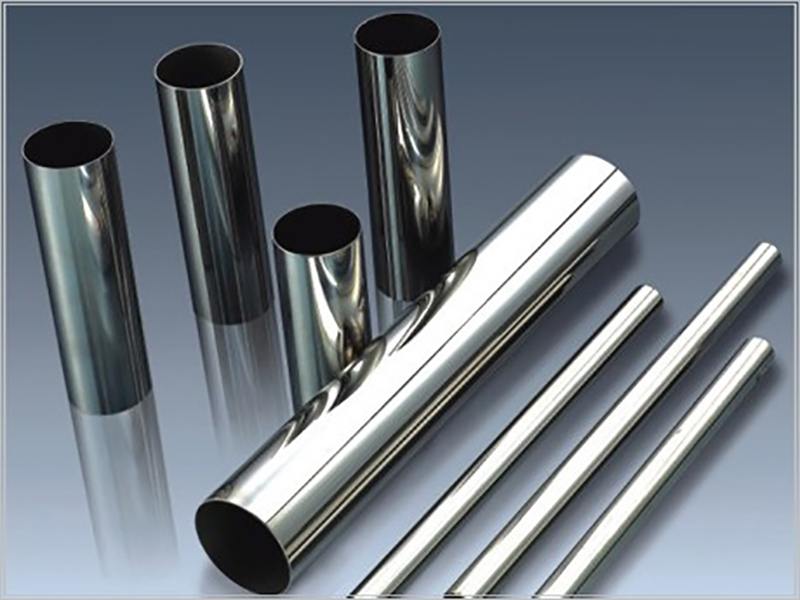
Stainless steel, an alloy material composed of iron, chromium, nickel, and other elements, gains its basic corrosion resistance when the chromium content exceeds 10.5% . Chromium forms a dense oxide film on the surface of the steel, shielding it from external environmental corrosion and ensuring the material's durability. The addition of nickel not only synergizes with chromium and other elements to optimize the oxide film structure, further enhancing stainless steel's corrosion resistance, but also plays a critical role in improving strength, high-temperature resistance, and processing performance. By skillfully adding nickel and adjusting other elements such as molybdenum, stainless steel's strength is significantly enhanced to withstand greater external forces; its high-temperature resistance is greatly improved; and its processing performance is optimized, enabling smoother cold and hot processing to meet the diverse material performance requirements of industries such as aerospace, chemical engineering, and machinery manufacturing.
The extensive application of stainless steel fully demonstrates its superior performance. In the home appliance industry, stainless steel, with its excellent durability, aesthetic appeal, and ease of cleaning, has become the primary material for key components such as washing machine drums, refrigerator door panels, and freezer liners. In the automotive manufacturing sector, stainless steel, with its high strength and exceptional corrosion resistance, is the ideal material for critical components such as exhaust systems, catalytic converters, and fuel tanks. It not only enhances the overall performance and safety of vehicles but also reduces maintenance costs over the vehicle's life cycle by extending the lifespan of components. In the construction industry, stainless steel, with its corrosion resistance and stylish appearance, is a favored choice for curtain walls, roofs, and decorative elements in modern architectural design, adding unique aesthetic value to urban landscapes.
In the air conditioning industry, stainless steel is gradually replacing copper semis as the preferred material for non-heat exchange structural components. This material substitution trend is driven by both technological innovation and market demand. From a technical perspective, stainless steel's high corrosion resistance and high-temperature performance enable it to withstand the complex chemical environment and temperature fluctuations within air conditioning systems, significantly improving system stability and service life. Additionally, stainless steel's high strength and excellent processing formability provide significant advantages in the manufacturing of components such as pipelines and connectors, allowing for optimized processing techniques that reduce production costs and improve efficiency. Leading Japanese high-end air conditioning brands such as Panasonic and Daikin have pioneered the use of stainless steel pipelines. This industry practice not only reflects the profound impact of technological advancements on material selection but also indicates the broad application prospects of stainless steel in air conditioning systems, promising more efficient and cost-effective solutions for the industry.
With the global promotion of sustainable development and the growing awareness of environmental protection, stainless steel, as a recyclable and environmentally friendly material, is experiencing sustained growth in market demand. Driven by new material R&D and technological innovation, the performance of stainless steel will be further optimized, and its application fields will continue to expand. In emerging industries such as NEVs, green energy, and smart homes, stainless steel, with its lightweight, environmentally friendly, and durable characteristics, is expected to unlock more innovative application scenarios. In the NEV sector, stainless steel can be used for key components such as battery pack housings and motor housings, enhancing the structural strength and protective performance of components to improve vehicle safety and driving range. In the green energy sector, stainless steel can be utilized in the manufacturing of solar panel brackets and wind power equipment components, contributing to the efficient development of the clean energy industry. In the smart home sector, stainless steel has become the ideal material for the casings of smart appliances and smart security products.
Furthermore, with the rapid development of intelligent manufacturing and digital technologies, the processing and manufacturing of stainless steel are set to undergo a new transformation. By introducing advanced processing equipment and techniques such as CNC machining and additive manufacturing, high-precision processing and customized production of stainless steel materials can be achieved, meeting market demands for personalized and diversified products. Meanwhile, the application of digital technologies, such as digital design, production process monitoring, and management, can effectively improve production efficiency and reduce costs, injecting new momentum into the sustainable development of the stainless steel industry.
The thriving development of stainless steel is not only a direct reflection of advancements in materials science but also an important force driving technological innovation across industries and promoting global sustainable development. With continuous technological progress and the expansion of application scenarios, stainless steel will demonstrate its unique value in more fields.
![[SMM Resumen de la reunión matutina sobre níquel] La probabilidad de subida de tipos de la Fed en septiembre sube al 66,9 %, el contrato de níquel más negociado del SHFE cae en las primeras operaciones](https://imgqn.smm.cn/usercenter/CWsEw20251217171732.jpeg)