Introduction
The new energy revolution achieved through an accelerated structure in energy demand shifting toward cleaner sources such as solar, wind, and electric vehicles, or EVs, is restructuring industries across the world. This brings us to our next question:Which non-ferrous metals will lead in this new clean energy era?
Non-ferrous metals contain no significant content of iron, and this group includes metals so important for the manufacturing development of renewable energies. Copper, aluminum, and nickel, quite a few metals of this class, hold critical importance. These metals become extremely required in batteries, solar panels, wind turbines, car components, among others.
Due to this, demand for such metals is increasing fast in the world, while governments and corporations are committed to carbon neutrality and sustainable growth. According to the International Renewable Energy Agency (IRENA), energy transition will raise demand for critical minerals 60% by 2040 and set off a boom in the markets for non-ferrous metals. Copper may have been termed the "metal of the future," but other metals such as nickel, aluminum, and rare earths are playing their not unimportant parts in the rush toward a cleaner, greener energy system.
The Increasing Role of Non-Ferrous Metals in the Clean Energy Sector
The revolution in clean energy has elevated the importance of several non-ferrous metals, which form the backbone of energy-efficient technologies. The key metals driving this transformation include:
Copper: The Backbone of Renewable Energy
Copper is the leading non-ferrous metal that will drive the clean energy revolution because of its unparalleled electrical conductivity, making it very important in renewable energy infrastructure.
Electric Vehicles (EV): Copper plays a crucial role in wiring and motors of electric vehicles. A single electric car requires about80 kg of copper, while in a traditional internal combustion engine vehicle, the requirement is just 23 kg.
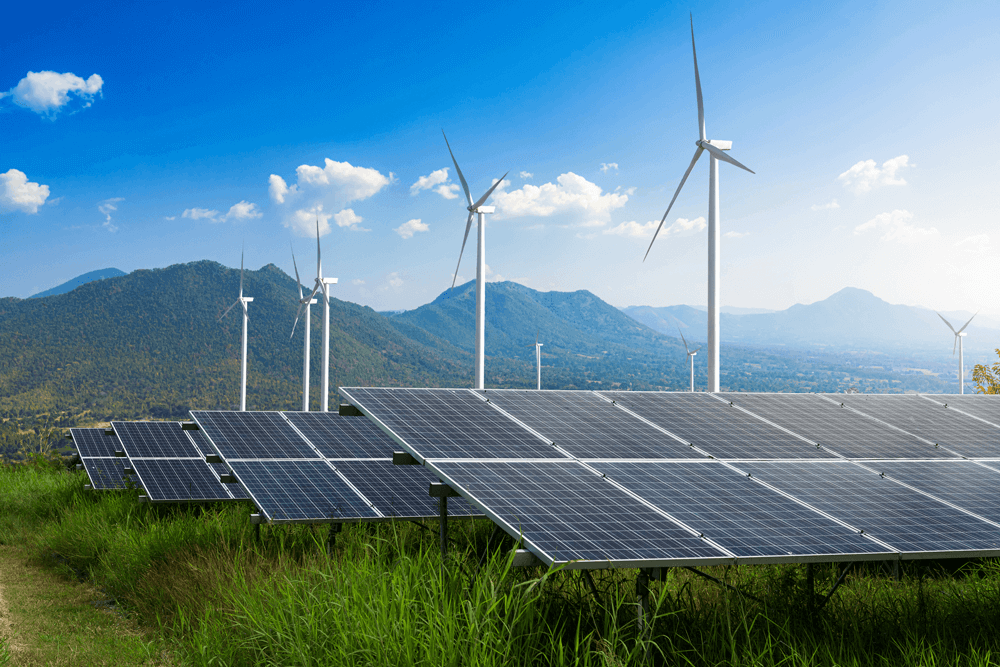
Wind and Solar Energy: Wind turbines use huge amounts of copper; a large turbine has up to5 tons of copper. Copper is widely used in the wiring of photovoltaic (solar) cells and in the electrical systems of solar power plants.
Electric Grid Infrastructure: New electrical grids are required for the distribution of the created electricity through renewable sources in transitioning countries; copper is indispensable in this infrastructure construction because of its very high conductivity.
Nickel: To Power Battery Technologies
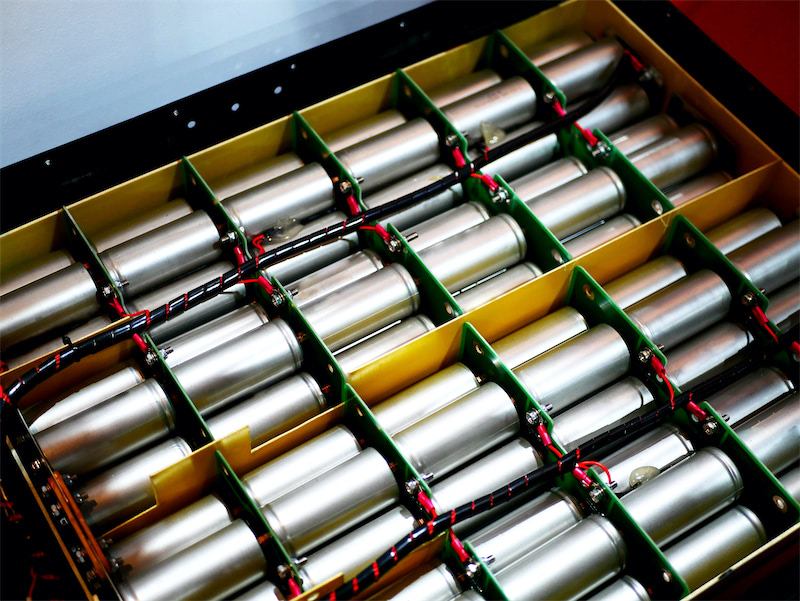
Nickel has been at the forefront of conversations in clean energy, especially because it's used in most battery technologies involved in EVs. The mineral has various usages in lithium-ion batteries that normally power most electric vehicles and energy storage systems.
Lithium-ion Batteries: The average EV battery carries about20–30% nickel by weight. As the demand for EVs grows, so does the demand for nickel. In that respect,Tesla and General Motors are pushing to use high-nickel batteries as part of their efforts to improve energy density and driving range.
Energy Storage Systems: Nickel is also required in large-scale energy storage systems vital for the stabilization of power grids powered with renewable energy sources such as wind and solar.
The World Bank estimated that demand for nickel for electric vehicles could rise as much as5-6 times in 2040, showing what pivotal role it may well play in the clean energy landscape of the future.
Aluminum: Lightweight Champion of the Green Economy
While copper and nickel steal a great deal of the limelight,aluminum is the unsung hero of the clean energy revolution. It is lightweight, abundant, and highly recyclable-all qualities key to lowering the environmental impact of manufacturing.
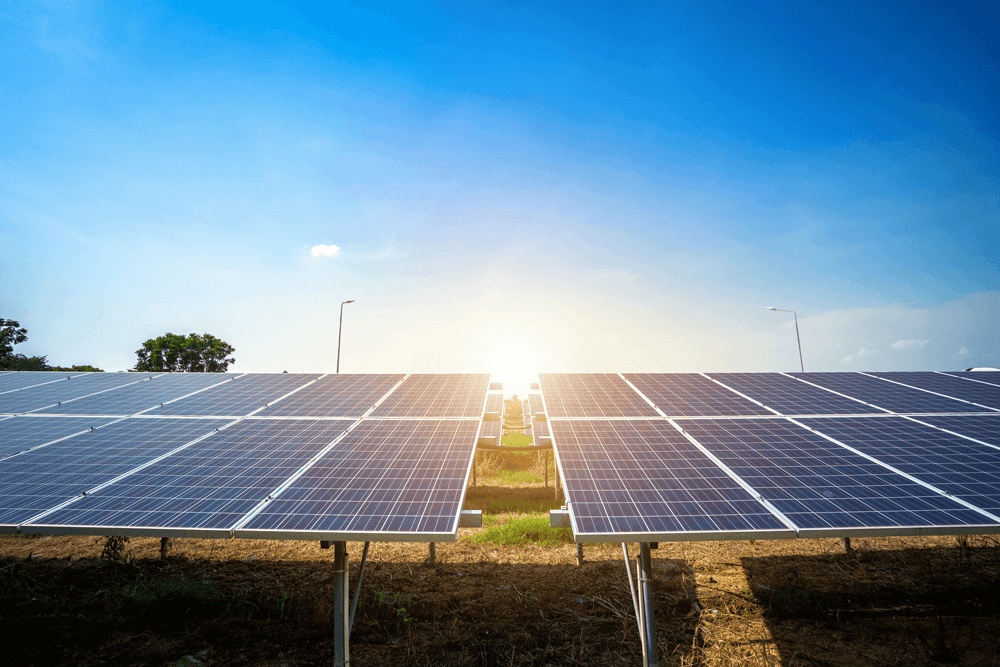
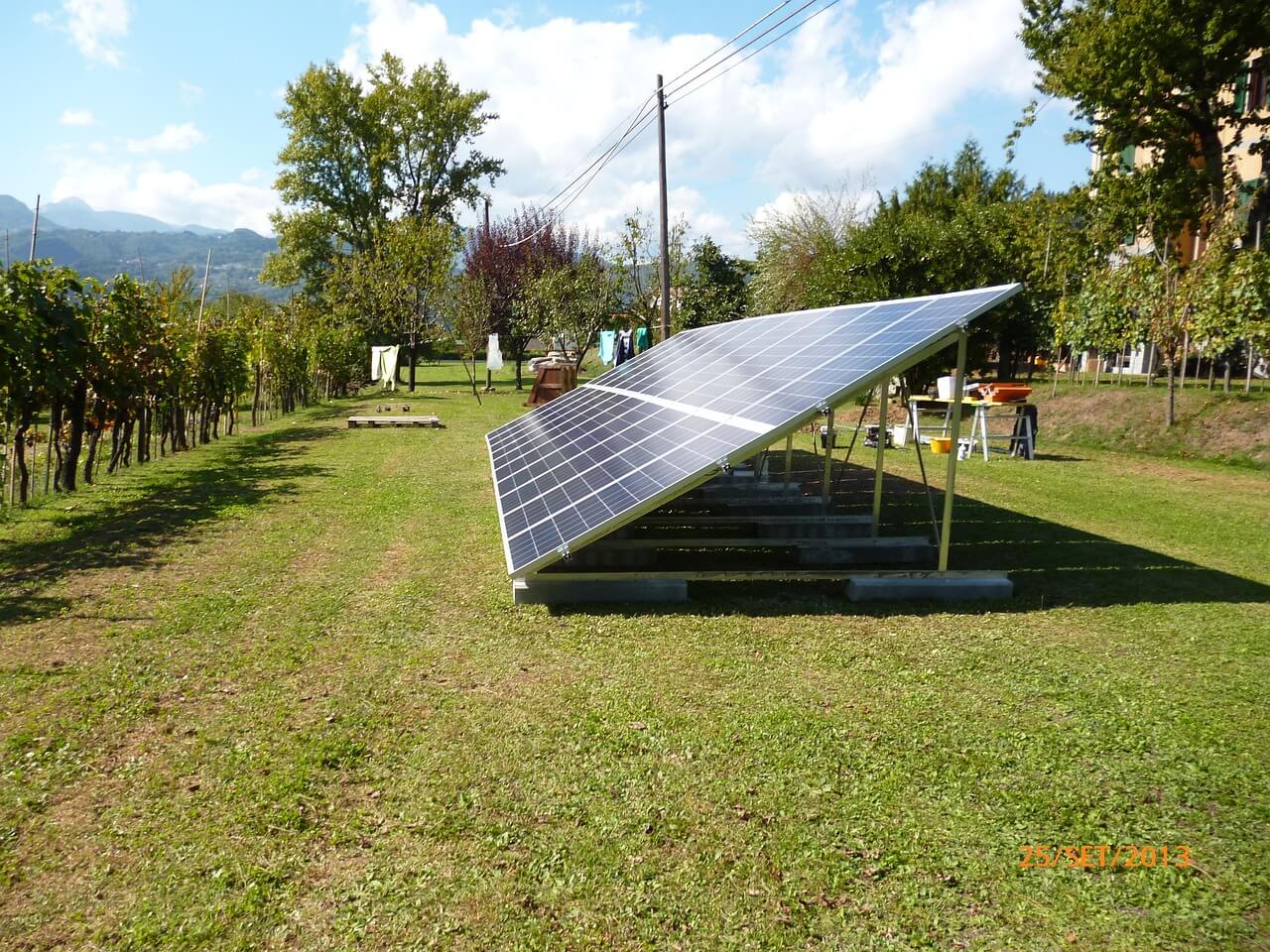
Solar Panels: The making of solar panels uses aluminum frames in great quantity; hence, it is one very important material for the renewable energy sector.
Electric Vehicles: EVs also use aluminum to maintain the overall weight low and thus improve energy efficiency. The average electric vehicle would use100–150 kg of aluminum on the body and framework, which will provide major contributions in performance and range.
Transmission Lines: The conductivity of aluminum joined with its lightweight properties creates the ideal application to overhead transmission lines, a requisite in modern electric grids.
The International Aluminum Institute estimates global demand for aluminum to grow at a rate of 5-10% annually, mainly driven by the clean energy sector.
Rare Earth Metals: The Unsung Heroes of Clean Technology
While the limelight might fall on copper, nickel, and aluminum, rare earth elements are unsung heroes in many high-tech applications.
Wind Turbines: Generators of wind turbines are made from rare earth metals such as neodymium and dysprosium. These metals join forces in creating high-intensity magnets that transform the winds efficiently into electrical form.
The Neodymium used in manufacturing high-performance magnets for the EV motors is one of the key raw materials and part of rare earth elements. With such demands, a rapid rise is very likely to be seen in this segment, considering rapid growth in the future.
This can only be well comprehended by consideration of some fundamental reports and data sources with regard to the market dynamics that surround non-ferrous metals within the clean energy sector.
Copper's Role in Energy Transition - IRENA
The International Renewable Energy Agency (IRENA) estimated thatcopper demand would jump275% in 2050, driven by renewable energy, electric vehicles, and energy storage systems. This surge in demand underlines the critical role copper plays in the energy transition.
Nickel: Rising in Prominence - Nickel Institute
The Nickel Institute predicts that nickel demand in electric vehicles will grow by16% a year for two decades. As the energy density of batteries continues to rise, nickel will be not only an important material for carmakers but also for battery manufacturing.
Aluminum Demand and the Green Economy International Aluminum Institute
The International Aluminum Institute estimates that the aluminum industry will need to increase its production by as much as50% by 2050 to meet demand associated with the clean energy transition; these are reflected in the growth of solar panel manufacturing, lightweight vehicle manufacture, and efficient energy transmission systems.
Rare Earths and Critical Minerals (World Bank)
The World Bank estimates that demand for critical minerals could increase as much as500% by 2050; this includes the rare earth elements that form part of the required material for wind turbines, solar panels, and electric vehicle batteries.
Role of SMM in Non-Ferrous Metal Trend Tracking
The more one tries to find a way through the maze of complexities in the non-ferrous metals market, the greater becomes the need for access to reliable data and analysis.SMM - Shanghai Metals Market offers a complete set of services that provide insight into enterprise decision-making within the fast-moving world of metal markets.
Key Services from SMM
- Price and Market Data: SMM publishes daily, weekly, and monthly reports on the prices of copper, aluminum, nickel, and other key metals important for business, thus enabling one to follow the market trends and make better purchasing decisions.
- Market Analysis: SMM boasts a team of over 50 industry analysts specializing in providing in-depth analysis and forecasts of non-ferrous metals, hence helping businesses understand the dynamics of the market and future trends.
- Supply Chain Insights: SMM provides critical intelligence on worldwide production, order books, inventories, and trade flows to help your company optimize its supply chain and mitigate risk.
- Webinars and Events: SMM brings various events and webinars where a host of experts share in-depth knowledge about market conditions, government policies, and changes in technologies in the nonferrous metals industry. These could be just what a company needs to stay one step ahead in an ever-changing market.
Leveraging from SMM's expertise, businesses can gain the following competitive advantages: find the right materials and plan demand for the future.
Conclusion
Copper, nickel, aluminum, and rare earth elements are some of the leading non-ferrous metals into the future with their use in clean energy. In a time when renewable technologies are being more inquired about globally, these metals are in high demand to serve the power for electric vehicles, wind and solar power systems, and energy storage solutions.
In this respect, the knowledge with valid data from SMM will have placed the company in the front lines of defense against any turbulence emanating from the non-ferrous metals market, while helping make strategic decisions aligned with the global energy transition. Demand for these critical metals would only go higher as the world is oriented to head towards a future on the wheels of sustainability and provides a good jumping platform for businesses to grow into bright lights in the clean energy revolution.
Therefore, this article encompasses a few of the trending keywords that include non-ferrous metals market,copper demand in clean energy,nickel for EVs,aluminum in renewable energy, and rare earth metals market. It will, therefore, mean high visibility for the search engines with pretty good insight into businesses involving the Clean Energy and Metals sectors.