In the global lithium market, radical changes have taken place in recent years. With surging demand for electric vehicles, renewable energy storage systems, and burgeoning needs for advanced batteries. In light of industries moving towards cleaner and more sustainable forms of energy, lithium became one of the most essential commodities in the global supply chain. Similarly, the IEA estimated that global demand for lithium would increase 40 times house equivalent by 2040, thus further highlighting the need to understand the shifting dynamics of supply and demand for the element. This "lithium boom" brings with it great opportunities and serious challenges for businesses, governments, and investors alike.
In the article, we consider several of those driving forces which have built up the lithium boom: active market trends, challenges of the supply chain, and what can be projected forward in the price of lithium. We're also going to show how SMM-Shanghai Metals Market is one of the leading, full-service suppliers of Lithium Market data that makes it easier to help your business through an industry so rapidly in flux.
The Rise of Lithium Demand: What's Causing the Boom?
The Electric Vehicle Revolution
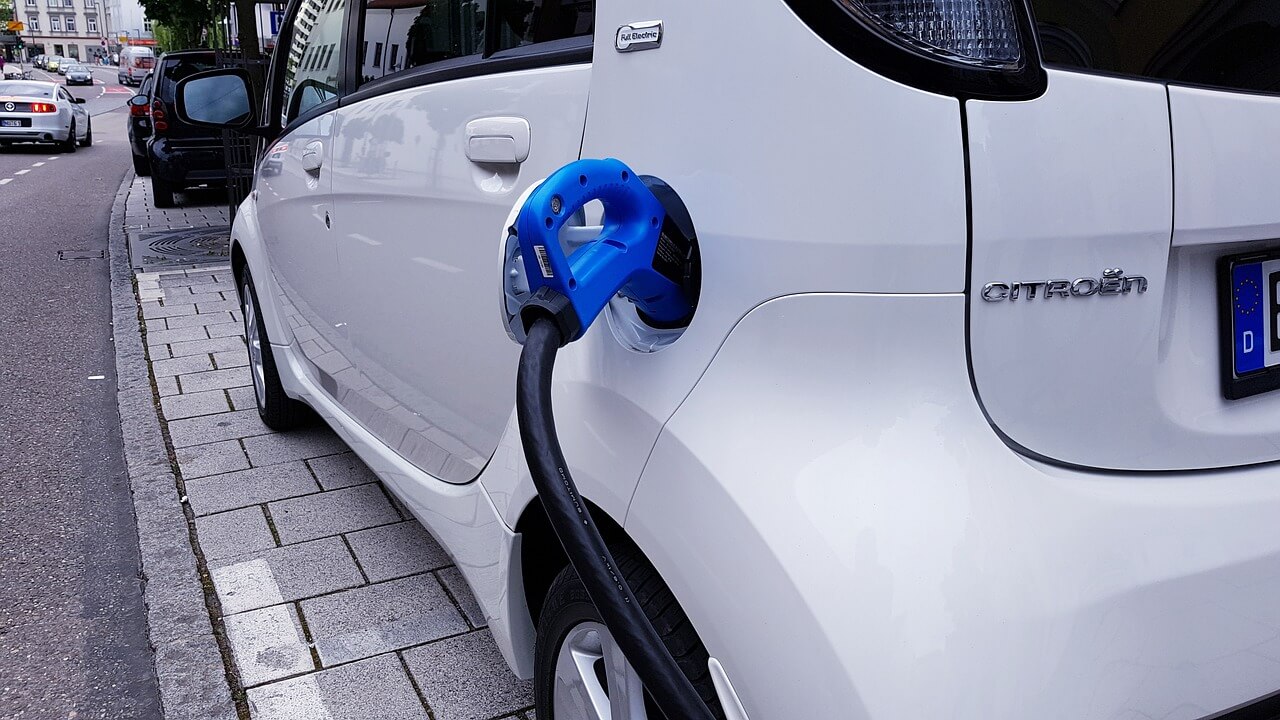
Exuberant growth in the electric vehicle market is driven by rising demand for lithium. This acceleration in the global transition towards electric mobility is pretty well being driven by governments' pushes for stricter emission regulations coupled with growing consumer demand for eco-friendly alternatives. According to BloombergNEF's 2023 Electric Vehicle Outlook, the number of electric vehicles on the road is expected to increase from 16 million in 2023 to more than 300 million by 2040, dominated by battery electric vehicles.
LIBs are favored for EVs because they offer high energy density, long life, and lightweight properties. For example, an estimate puts the quantity of lithium required in the battery pack of an average electric car at 10-15 kg. Thus, with rising EV production by automakers to meet both consumer demand and regulatory targets, demand for lithium keeps going up.
Renewable Energy Storage: A New Frontier
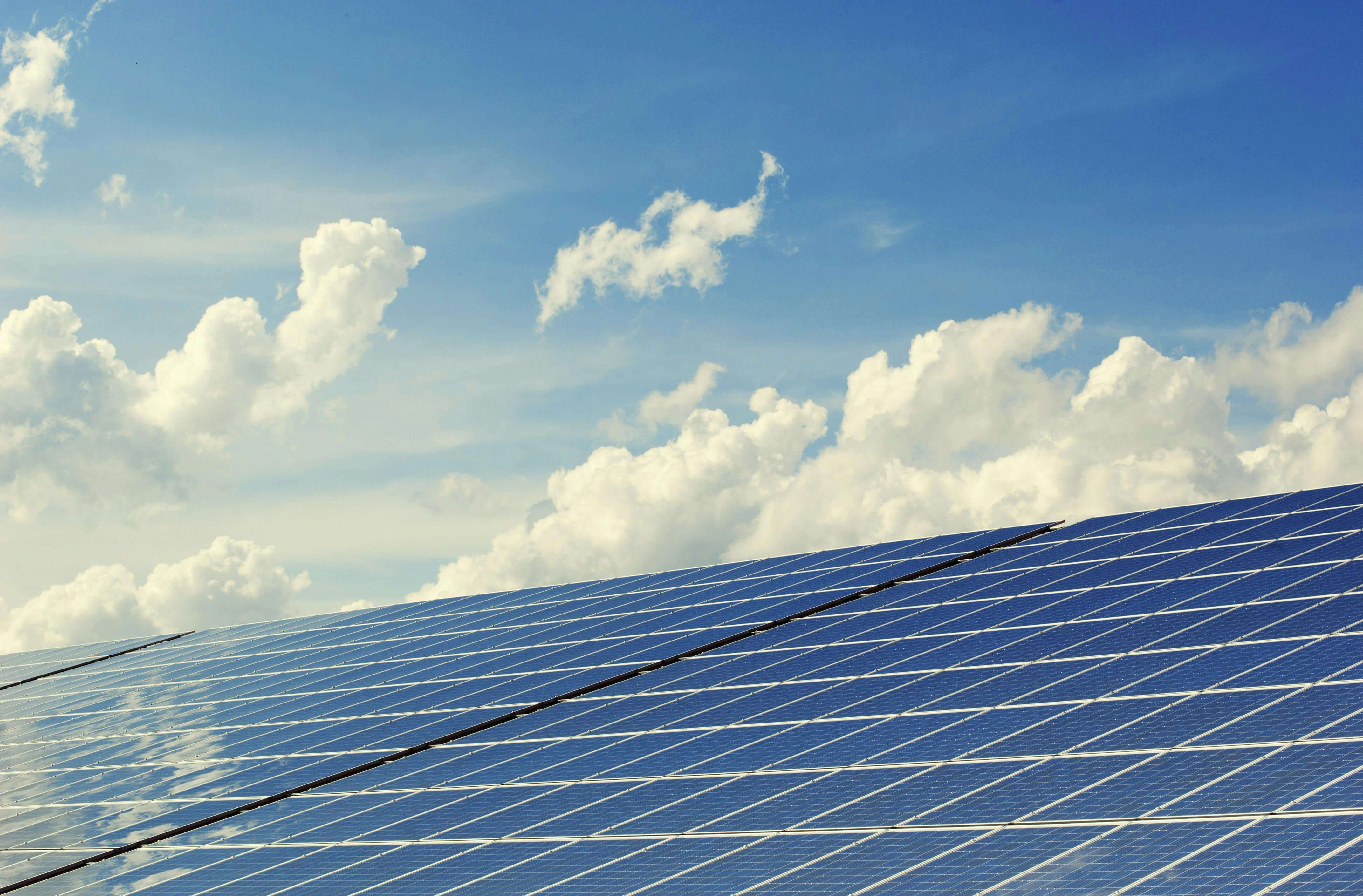
Besides EVs, lithium has also been proving to be of critical importance in large-scale energy storage systems, especially those that have become crucial given the balancing in variability of renewable energy sources like solar and wind. Energy storage is thus highly needed to store excess power generated during peak hours for use when the renewable sources themselves are not producing electricity. Large-scale applications, especially lithium iron phosphate batteries, are where the lithium-based batteries come into great play.
More than 60% of the energy storage projects in the world are based on lithium-ion batteries, as per Global Energy Storage Database. It is expected that this proportion will further increase with increased renewable energy penetration.
Stronger demand for lithium in EVs and renewable energy storage developed a tight market, which drove up the prices of lithium. According to SMM, the price of 99.5% Battery Grade Lithium Carbonate surged drastically and averaged 75,600 CNY/mt in December 2024. This surge in prices shows the increasing competition for resources of lithium, especially in the case when China-thought to be the biggest producer and consumer of the metal-keeps a close grip on the market.
With lithium prices still going up, every quiver of its graph gets scrutinized by governments and corporates in hope of anticipation of its course correction. According to a report from S&P Global Market Intelligence, demand could rise by 10-15% annually for the next decade, which will strain chains for many years and ensure investment flows into new technologies. Challenges on the Supply Side: Mining and Refining Capacity at a Stressful Point
Nevertheless, supply simply cannot match the growing demand for lithium. Extraction and processing of lithium ore are long-drawn, complicated, and energy-intensive processes; hence, any sharp rise in output is extremely hard to achieve for the producers. The World Bank estimated that by 2050, global lithium production will have to increase by 500% in order to meet the needs of the green transition, but there are considerable obstacles toward reaching that target.
Mining Bottlenecks: Lack of New Projects, High Costs
Presently, only a few countries - Australia, Chile, Argentina, and China - dominate lithium production. These four have the world's largest deposits of lithium, but their capacity to extract the mineral from these resources is inelastic. At the same time, for example, the so-called "Lithium Triangle" of Chile, Argentina, and Bolivia has more than half of the known reserves, but production in the region is way slower than projected owing to numerous ecological, political, and logistics challenges.
Mining companies in Australia - a country that alone accounts for about one-third of global lithium exports - finally ramp up production two years ago, but extraction remains extremely capital- and labor-intensive to this date. Besides being very expensive, the extraction of lithium has also come under fire from an ecological point of view - mostly linked to lithium produced from pools of brine, actual reservoirs highly invasive in terms of water that run several risks of entirely contaminating ecosystems.
Refining and Processing Constraints
Even the extracted lithium has to be refined and processed into high-quality, battery-grade lithium compounds, adding another challenge to the supply chain. More than 60% of the world's lithium refining capacity is located in China. In this regard, highly concentrated processing capacity lays bare global supplies to geopolitical tensions and possible trade disruptions. The COVID-19 pandemic and other supply chain disruptions have identified the risk from such a concentration of refining and processing.
Besides, the demand for lithium hydroxide-a critical raw material to make high-performance lithium-ion batteries-further strained the refining capacity. As newer technologies require ever-increasing volumes of high-grade lithium materials, businesses must make investments in new processing techniques and facilities that may take a few years to develop.
Global Supply and Demand Shifts: Impacts on Industry Stakeholders
This shift in supply and demand within the global lithium market has far-reaching implications across industries. Automakers, energy companies, and investors alike are all facing critical decisions based on lithium's evolving role in the economy.
Automakers and Battery Manufacturers
Automakers are trying by all means to secure a steady supply of raw materials with long-term supply contracts from lithium producers, given the increasing demand and uncertain supply. No different is the investment of Tesla, General Motors, and other behemoths in lithium extraction and refining projects as they try to lock in their supply chain. Tesla has gone ahead to sign a deal with lithium miners operating in Nevada, while on other hand, General Motors is hugely investing in several lithium extraction projects situated both in the United States and Canada.
Equally aggressive in the race for lithium contracts are battery manufacturers like CATL and LG Chem, which are working to scale up their EV batteries. The high price volatility of lithium is forcing them to consider alternative battery chemistries, such as sodium-ion or solid-state batteries, that could reduce dependency on lithium in the long term.
Investors and Market Speculators
It is such an important metal in the green energy transition that the lithium market now appears very appealing to investors. Nowadays, lithium stocks and ETFs have become, together with futures contracts, popular speculative investments. Nevertheless, it is a very volatile market by prices and very complex by its supply chain. McKinsey & Company says that, while demand for lithium is expected to rise, supply in the short term will be erratic as producers have yet to ramp up. SMM and How It Keeps Its Head Above Water During the Lithium Boom
The lithium market is increasingly complex, and companies need good data and insight to enable their decision-making. SMM (Shanghai Metals Market) is one of the leading providers of real-time market data, trends, and analysis on lithium and other metals. SMM provides a wide variety of reports, including daily, weekly, and monthly reports of lithium prices and market forecasts.
SMM's Lithium Carbonate Index, Battery Grade, and Lithium Hydroxide Index, Battery Grade, are real-time insights into those market fluctuations that help companies and investors find their way in treacherous market conditions. Besides that, the field trips and detailed market research, such as the recap by SMM of South American miners of lithium in the Lithium Triangle, give on-the-ground views of global production trends and supply chain risks.
Conclusion: The Future of Lithium in a Changing World
The lithium boom reshapes industries and markets on every continent, and demand is relentlessly growing for electric vehicle batteries, renewable energy storage, and consumer electronics-all very intensive users of lithium. However, mining, refining, and logistics in its supply chain have several serious problems. The only path on which this important resource may be extracted, processed, and distributed responsibly requires business-to-business, investor-to-investor, and government-to-government cooperation.
The information and insight from SMM thus constitute a must-have market for companies willing to make their ways into the intricacies of the lithium market. Supported by staying ahead of the trends and data-driven forecast, businesses can position themselves to thrive in this dynamic and rapidly evolving sector.