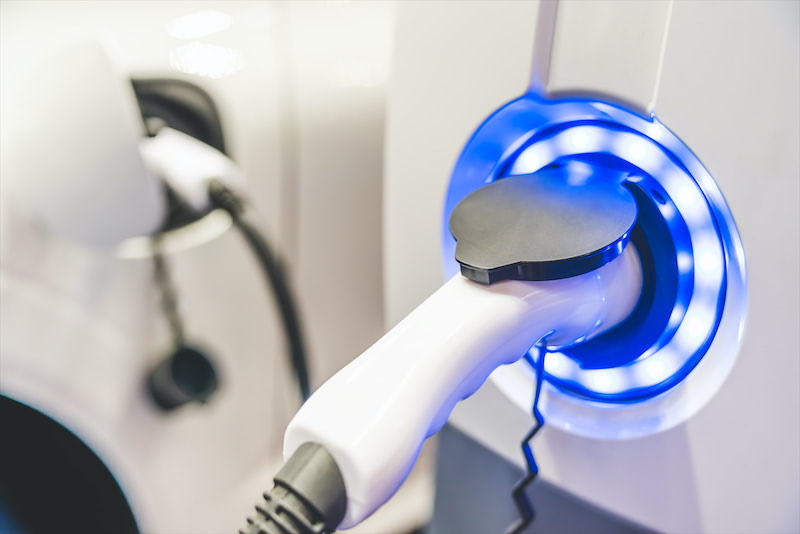
The Role of Lithium Carbonate in Battery Manufacturing
Importance of Lithium Carbonate
Lithium carbonate is a crucial component in the production of lithium-ion batteries, which are widely used in various applications, including electric vehicles (EVs) and portable electronic devices. Its significance stems from its role as a primary raw material in the synthesis of cathode materials, which directly affects battery performance, energy density, and longevity. As the global demand for EVs and renewable energy storage solutions continues to rise, the importance of lithium carbonate in battery manufacturing becomes increasingly evident.
Current Market Trends for Lithium Carbonate
The market for lithium carbonate has been subject to significant fluctuations due to varying demand and supply dynamics. Leading experts predict a lithium supply deficit by the 2030s, driven by escalating demand from the EV sector and energy storage systems. This anticipated shortage underscores the necessity for increased production and processing capacity today. However, geopolitical tensions and market uncertainties pose challenges to expanding lithium production. China's dominant position in lithium processing adds complexity to global market trends, as it influences pricing through strategic inventory management and subsidies.
Impact of Lithium Carbonate Pricing on Battery Production
Direct Cost Implications
Lithium carbonate pricing directly impacts battery production costs. As a key material in cathode production, any increase in its price can lead to higher overall battery costs. This can affect the competitiveness of battery manufacturers, particularly those outside China who face higher capital expenditures for new processing facilities. Consequently, fluctuations in lithium carbonate prices can influence the pricing strategies of battery producers and their ability to maintain profit margins.
Indirect Effects on the Industry
Beyond direct cost implications, lithium carbonate pricing also has broader effects on the battery industry. Price volatility can deter investment in new mining and processing projects due to perceived market instability. Additionally, it can impact innovation as companies may be hesitant to invest in research and development without stable raw material costs. The ripple effect extends to end-users such as automakers, who may face challenges in pricing their products competitively if battery costs rise unpredictably.
Strategies to Mitigate Cost Fluctuations
Alternative Materials and Technologies
To mitigate the impact of fluctuating lithium carbonate prices, industry players are exploring alternative materials and technologies. Sodium-ion batteries have emerged as a potential substitute due to their lower cost compared to traditional lithium-ion cells. Although sodium-ion technology is still developing, it offers promise for reducing dependency on lithium carbonate by utilizing more abundant elements like sodium.
Supply Chain Management Tactics
Effective supply chain management is essential for navigating cost fluctuations in lithium carbonate pricing. Companies are adopting strategies such as diversifying their supplier base to reduce reliance on any single source or region. Additionally, investing in recycling initiatives can help recover valuable materials from end-of-life batteries, potentially easing demand pressures on primary raw materials.
For comprehensive insights into metal markets and strategic planning around these challenges, you may explore resources offered by Shanghai Metals Market (SMM). SMM provides extensive reports and analytics on metals like copper, aluminum, nickel, rare earth elements, and more—essential tools for professionals navigating this dynamic industry landscape.
By staying informed about market trends and adopting innovative strategies, you can better position your business to thrive amidst the evolving landscape of battery manufacturing influenced by lithium carbonate pricing dynamics.
Future Outlook for Battery Production Costs
Predictions for Lithium Carbonate Pricing Trends
As you look towards the future, understanding the trajectory of lithium carbonate pricing is crucial for strategic planning in battery production. Industry analysts project that the demand for lithium will continue to surge, driven by the increasing adoption of electric vehicles (EVs) and energy storage solutions. However, this growing demand is likely to outpace supply, resulting in a potential lithium supply deficit by the 2030s. This anticipated shortfall underscores the urgency for expanding lithium production and processing capabilities today.
Geopolitical factors and market uncertainties further complicate the outlook for lithium carbonate pricing. China's significant control over global lithium processing and its strategic inventory management practices contribute to price volatility. Such fluctuations can create challenges for battery manufacturers who rely on stable raw material costs to maintain competitive pricing strategies.
Long-term Implications for the Battery Industry
The long-term implications of lithium carbonate pricing trends extend beyond immediate cost considerations. As prices fluctuate, they can impact investment decisions in new mining and processing projects due to perceived market instability. Additionally, unstable pricing may deter innovation within the industry as companies could be hesitant to commit resources to research and development without assurance of stable input costs.
Moreover, these dynamics influence downstream industries such as automotive manufacturing. Automakers may face challenges in maintaining competitive product pricing if battery costs remain unpredictable due to volatile lithium carbonate prices. This scenario emphasizes the need for strategic foresight and adaptability within the battery industry to navigate these complex challenges effectively.
Shanghai Metals Market (SMM) as a Resource for Industry Insights
In navigating the intricate landscape of battery production influenced by lithium carbonate pricing, having access to reliable market insights is invaluable. The Shanghai Metals Market (SMM) serves as a comprehensive resource offering extensive analytics and forecasts across various metal markets, including copper, aluminum, nickel, and rare earth elements.
With more than 50 professional industry analysts specializing in metals such as copper and aluminum, SMM provides detailed reports that are essential for professionals seeking to understand market trends and make informed decisions. Their commitment to delivering timely research ensures that you stay ahead of industry developments and can strategize effectively amidst evolving market conditions.
By leveraging resources like SMM's reports and webinars, you gain access to critical insights that can inform your approach to managing cost fluctuations in battery production. Whether it's exploring alternative materials or refining supply chain strategies, staying informed through reliable sources empowers you to navigate the complexities of lithium carbonate pricing with confidence.
In summary, understanding future trends in lithium carbonate pricing is vital for anticipating shifts in battery production costs. By accessing valuable insights from platforms like Shanghai Metals Market (SMM), you can better equip yourself to address these challenges strategically within your organization or industry sector.
![[Análisis de SMM] Suministro de láminas de cobre: alivio a corto plazo, riesgo de cuello de botella en 2027](https://imgqn.smm.cn/usercenter/BQoXd20251217171731.jpg)