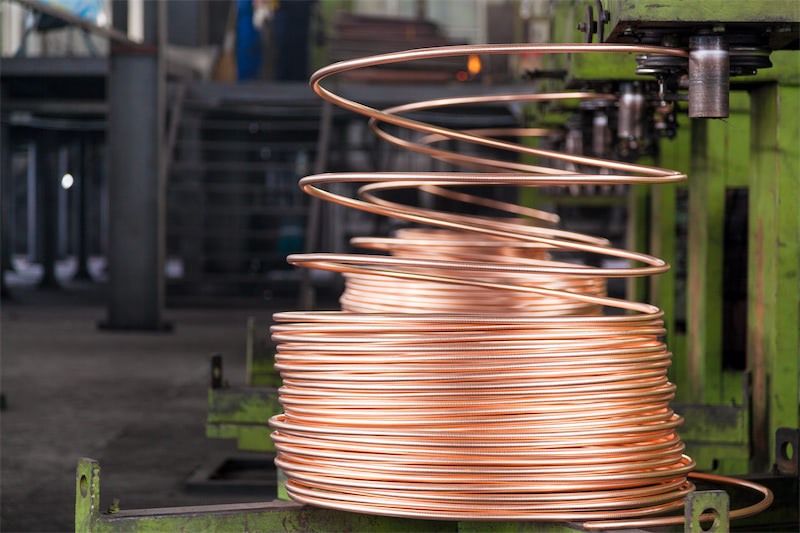
Last week, copper prices have risen significantly by 1,700 yuan/mt. The prices of copper scrap have also increased by 1,000 yuan/mt, driven by the gradual resumption of production at secondary copper rod plants and the subsequent rise in demand. According to an SMM survey, there are still differences in the purchase prices of copper scrap among secondary copper rod plants. Companies in Hunan and Hubei mainly quote tax-inclusive prices, while the price advantage in Jiangxi is no longer present, leading copper scrap traders to prefer transactions with regions like Anhui and Henan. Currently, both secondary copper rod plants and copper scrap traders report low social inventory levels of copper scrap. This is due to the traditional off-season from May to August, combined with high temperatures affecting the operating efficiency of upstream dismantling companies. Additionally, the decline in copper prices from mid-July to mid-August further suppressed the output of dismantling plants, resulting in a lower circulation volume of copper scrap in the market compared to the same period in previous years.
Last week, the CIF price for secondary #1 copper was the December COMEX copper contract price minus 18-19 cents/lb, and the CIF price for secondary #2 copper was the December COMEX copper contract price minus 25-26 cents/lb. US brass (66-66.5% against LME) had a fixed price of $5,900-5,980/mt (with limited transactions). The CIF price for copper granules (Cu 98.5%) had an LME coefficient of 95.75-96%, and the CIF price for bare bright copper had an LME coefficient of 97.5-98%.
Looking ahead to this week, some companies indicated that the September-October peak season, being a traditional consumption peak, will see end-users' stocking demand gradually emerge from mid to late August. The demand for copper scrap from secondary copper rod makers will significantly increase compared to before, which may stimulate the capacity utilisation rate of upstream dismantling companies to rise.