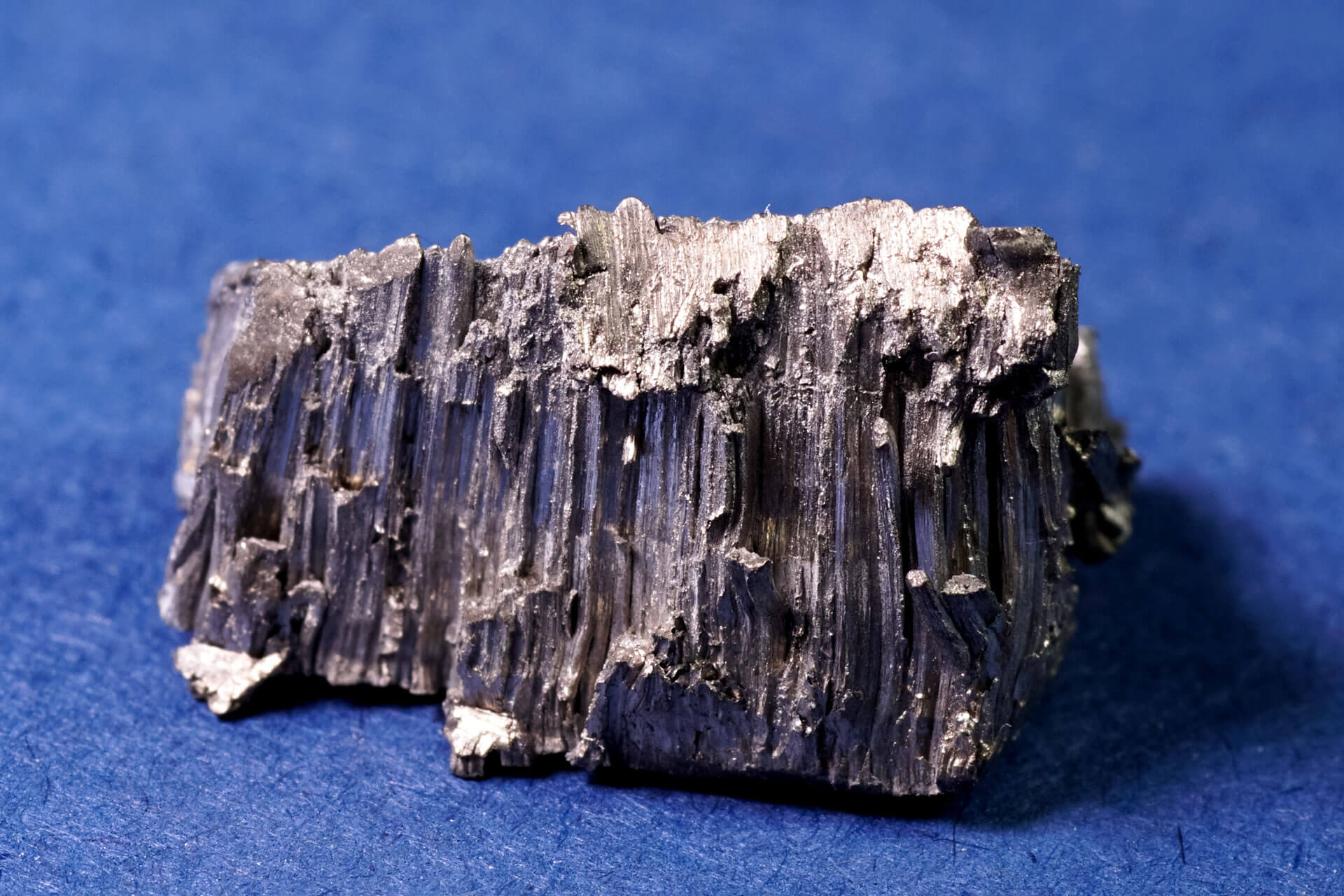
Rare Earth elements, also known as Rare Earth metals, consist of a group of seventeen chemical elements in the periodic table, including the fifteen lanthanides in addition to scandium and yttrium. These elements are vital due to their distinctive properties that serve various high-tech industries. Rare Earth elements play an essential role in the manufacturing of advanced electronics, renewable energy systems, electric vehicles, and national defense technologies. Although termed "Rare Earth," these elements are relatively plentiful in the Earth's crust. However, they are rarely found in concentrations that are economically feasible for extraction and refinement, which makes their mining and processing both complex and costly.
Historical Context of Rare Earth Pricing
The pricing of Rare Earth elements has seen significant fluctuations over the decades. In the early stages of their industrial application, prices were relatively stable due to limited demand. However, as technological advancements surged, the demand for these materials grew, leading to increased extraction efforts and corresponding price volatility. One notable historical event is the price spike in 2010-2011 when China, the dominant supplier of Rare Earth elements, imposed export restrictions. This action caused global prices to skyrocket, prompting other nations to seek alternative sources and invest in Rare Earth mining and recycling technologies. While prices have since stabilized, the history of Rare Earth pricing is marked by periods of sharp increases and declines driven largely by supply chain and geopolitical factors.
Factors Influencing Rare Earth Prices
Supply Chain Dynamics
The supply chain of Rare Earth elements is complex, involving multiple stages from mining to processing, refinement, and ultimately, manufacturing. One of the key factors influencing prices is the concentration of mining and processing facilities in specific geographical regions. Notably, China dominates the Rare Earth supply chain, accounting for a substantial percentage of global production and processing capacity. This concentration can lead to supply bottlenecks if production is disrupted due to environmental regulations, labor disputes, or other logistical issues. Additionally, the cost of establishing new mining operations and processing plants is prohibitively high, limiting the ability to quickly increase supply to meet rising demand, thereby keeping prices elevated.
Geopolitical Influences
Geopolitical factors play a significant role in determining the pricing of Rare Earth elements. The geopolitical landscape impacts both the supply and demand sides of the market. Trade policies, export controls, and diplomatic relations between countries can greatly influence the availability and cost of Rare Earth materials. For example, tensions between major economies can result in the imposition of tariffs or export bans, constraining supply and driving up prices. Conversely, international cooperation and trade agreements can facilitate a smoother flow of Rare Earth elements, potentially stabilizing prices. Furthermore, Rare Earth elements are crucial for national security, and governments may stockpile them to ensure a stable supply for defense and technological applications, also affecting market dynamics.
Economic Drivers of Pricing Shifts
Demand from Technological Sectors
A key factor influencing the pricing fluctuations of Rare Earth elements is the demand stemming from technological industries. Rare Earth metals play a crucial role in technologies like smartphones, electric vehicles, wind turbines, and sophisticated defense systems, with their applications continuously expanding. As companies push for innovation and product enhancement, the requirement for materials that provide high efficiency, durability, and performance rises. This surge in demand exerts upward pressure on prices, particularly when paired with the scarcity of these resources. Additionally, technological progress often necessitates specific Rare Earth elements for specialized uses, intensifying competition for these materials and further escalating costs.
Market Speculation and Investment Trends
Market speculation and investment trends also significantly impact the pricing of Rare Earth elements. Investors and speculators often look at geopolitical developments, supply chain disruptions, and emerging technological trends to gauge future demand and price movements. When speculators predict a rise in demand or a restriction in supply, they might invest heavily in Rare Earth stocks or commodities, creating a self-fulfilling prophecy that drives prices up. Conversely, if market sentiment is bearish, prices can tumble as investors pull out. This volatility is exacerbated by the relatively small and concentrated nature of the Rare Earth market, where even minor shifts in investment patterns can lead to significant pricing fluctuations.
Environmental and Ethical Considerations
Sustainable Mining Practices
Sustainable mining practices are increasingly becoming a crucial factor in the Rare Earth market, influencing both supply and pricing. Traditional mining methods can be highly destructive to the environment, leading to soil degradation, water contamination, and loss of biodiversity. As the global community pushes for cleaner, more environmentally-friendly practices, mining companies are being compelled to adopt more sustainable techniques. These practices often involve higher costs, from implementing advanced technology to adhering to stringent environmental regulations. While these efforts are essential for long-term ecological sustainability, they can also result in increased production costs, thereby driving up the prices of Rare Earth materials.
Social Responsibility in Mining Operations
Social responsibility in mining operations also plays a pivotal role in the pricing dynamics of Rare Earth elements. Ethical considerations, such as fair labor practices, community engagement, and health and safety standards, are becoming increasingly relevant. Mining companies are under growing pressure to ensure that their operations do not exploit workers or negatively impact local communities. Adhering to these social responsibilities often requires substantial investment in better working conditions, fair wages, community development programs, and compliance with international labor standards. These additional expenses can lead to higher production costs, which are typically passed on to consumers in the form of increased prices for Rare Earth elements.
Grasping the intricate interaction of these economic and ethical elements is crucial for understanding the subtleties of Rare Earth pricing fluctuations. The blend of technological demand, market speculation, sustainable practices, and social responsibility forms a complex landscape where prices can be unpredictably volatile but remain vitally significant for the future of multiple technological and industrial sectors.
As an expert in Metals and a comprehensive non-ferrous metal Internet platform provider, Shanghai Metals Market (SMM) provides a comprehensive Internet platform for metal mining benchmark prices, analysis, news, consulting and conferences. In addition, we will provide you with the most authoritative information on a variety of metals.
Future Outlook for the Rare Earth Market
Projected Market Growth
The future outlook of the Rare Earth market suggests a trajectory of consistent growth. Analysts predict that as global dependency on advanced technologies increases, the demand for Rare Earth elements will continue to rise. Emerging sectors, such as renewable energy and electric vehicles, are expected to drive substantial growth in the Rare Earth market. For instance, the gradual shift from fossil fuels to cleaner energy sources like wind and solar power will require significant amounts of Rare Earth elements for the production of wind turbines and photovoltaic cells. Similarly, the burgeoning electric vehicle market relies heavily on Rare Earth components for the manufacture of high-performance batteries and motors. These trends indicate a robust demand outlook, potentially leading to higher prices if supply cannot keep pace. Moreover, the expansion of 5G technology and its associated infrastructure could further accelerate the growth of the Rare Earth market, making these elements even more integral to future technological advancements.
Potential Challenges and Opportunities
Despite the promising growth prospects, the Rare Earth market faces several challenges and opportunities that could shape its trajectory. One significant challenge is the geopolitical landscape. As noted earlier, the dominance of specific countries in the Rare Earth supply chain poses risks of supply disruptions and price volatility. Diversifying sources and investing in new mining ventures could mitigate these risks but require substantial time and financial resources. Another challenge is the environmental impact of Rare Earth mining. Stricter environmental regulations and the push towards sustainable practices may increase production costs and limit supply, potentially driving prices higher.
On the opportunity side, advancements in recycling technologies for Rare Earth elements offer a promising avenue. Investing in effective recycling systems can reduce dependency on virgin Rare Earth materials and help stabilize the market by providing a secondary supply source. Additionally, research into alternative materials that can either replace or reduce the need for Rare Earth elements in various applications could ease demand pressures.
Technological advancements offer considerable prospects for the Rare Earth market. Ongoing progress in sectors like electric vehicles, renewable energy, and consumer electronics is expected to drive up the demand for certain Rare Earth elements. Firms that can effectively address these challenges and seize these opportunities are likely to thrive amidst the anticipated growth in the Rare Earth market.
In conclusion, understanding the myriad factors that influence the Rare Earth market, from supply chain dynamics and geopolitical influences to economic drivers and environmental considerations, is essential for grasping the complexities of pricing shifts. By maintaining a keen awareness of these elements and keeping an eye on future trends and potential challenges, stakeholders can better anticipate and respond to the evolving landscape of the Rare Earth market.

![Los precios de tierras raras se mantienen estables; el sentimiento de negociación en el mercado es moderado [Informe diario de tierras raras de SMM]](https://imgqn.smm.cn/usercenter/UXEpx20251217171743.jpeg)