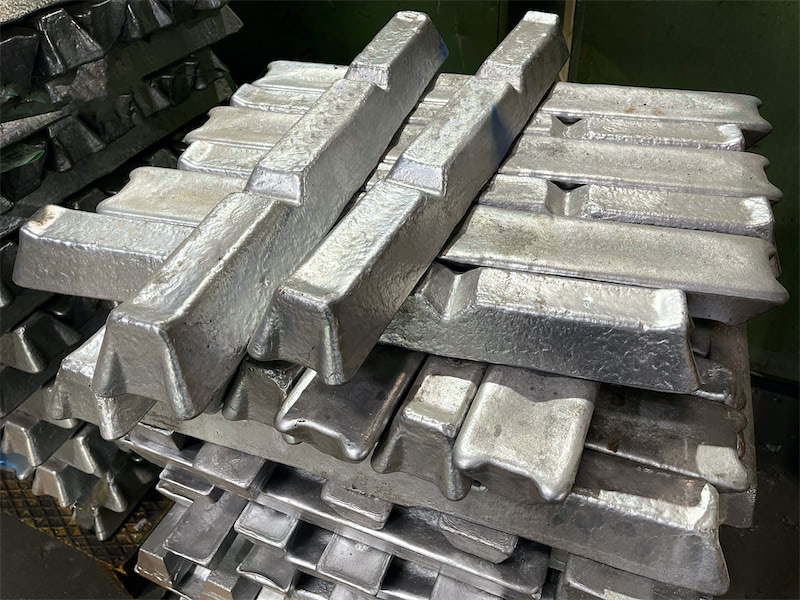
This year, the performance of domestic aluminum ingot inventory always seems to be "short-lived," as destocking faced obstacles again. On June 24, 2024, SMM reported a total social inventory of aluminum ingots at 761,000 mt, with domestic aluminum inventory for sale at 635,000 mt, up 5,000 mt from a week ago. Comparing the data with the same period in the past two years and considering the increasing aluminum liquid alloying ratio domestically, SMM believes that the current aluminum ingot inventory is relatively high. The ample supply of circulating aluminum ingots in the market is also the reason why aluminum prices have difficulty resuming a premium after falling. The domestic aluminum ingot inventory is still 234,000 mt higher YoY and 10,000 mt higher compared to the same period in 2022. In terms of pick-up from warehouses, last week, domestic aluminum ingot pick-up from warehouses increased by 15,000 mt WoW to 114,700 mt.
Pick-up from warehouses increased, yet inventory growth persists! What is hindering the destocking of domestic aluminum ingots? SMM believes there are two reasons:
(1) Supply: The production of aluminum smelters in Yunnan is gradually resuming, and the supply of aluminum ingots remains ample. As the resumption in Yunnan nears its end, only about 250,000 mt of capacity is pending resumption as of late June. The subsequent growth rate of domestic aluminum supply is expected to slow down, but the current average daily output has reached 118,000 mt, a historical high, indicating a relatively ample supply of aluminum ingots. Although Xinjiang experienced slight transportation disruptions due to insufficient transport capacity, Gongyi saw a slight destocking of 3,000 mt to 86,000 mt over the weekend. However, due to the direct impact of the resumption in Yunnan, the inventory in Chongqing remained above 20,000 mt, and the arrivals in south China have also been relatively high over the past two weeks, with an inventory accumulation of 2,000 mt to 267,000 mt over the weekend. Additionally, due to some of the transported goods from south China arriving in east China, Wuxi saw an increase in arrivals of nearly 5,000 mt over the weekend, with an inventory accumulation of 7,000 mt to 259,000 mt.
(2) Demand: In the off-season, the operating rate of downstream industries showed no improvement, and the procurement for rigid demand was insufficient. The low processing fees for primary aluminum products such as aluminum billets have replaced some of the demand for aluminum ingots. Due to the recent pullback in aluminum prices, market demand was stimulated, and downstream industries took advantage of the low prices to replenish their inventories. However, amid sluggish operating rates in the off-season, the short-term increase in pick-up from warehouses was insignificant. Compared to the same period in previous years, the pick-up data was weak and unable to support the continued destocking. Over the weekend, the pick-up of aluminum ingots from warehouses in south China decreased by 3,400 mt MoM, while in Wuxi, they decreased by 5,500 mt MoM. While the low processing fees for aluminum billets squeezed some of the demand for aluminum ingots, despite the closure of the aluminum ingot import window in Q2, some downstream producers held long-term overseas aluminum contracts. It is reported that some of these long-term contract prices were slightly lower than domestic primary aluminum prices, which somehow inhibited the reduction of aluminum ingot inventories.
The period from March to June is typically the destocking cycle for the social inventory of aluminum ingots, especially from March to April when the market enters a rapid destocking phase. After this year's Chinese New Year, the domestic social inventory of aluminum ingots reached a peak of 870,000 mt, a historically high level. However, in Q2 this year, the social inventory of aluminum ingots did not smoothly enter the destocking cycle and remained above 750,000 mt, with pick-up from warehouses data also weaker than the same period in previous years. SMM believes that although destocking appears somewhat weak and slightly volatile, the conditions for a sustained inventory growth have not yet formed. The overall domestic aluminum ingot inventory is expected to drop slowly, possibly dropping slightly to around 700,000-750,000 mt by the end of June.
According to the latest statistics from SMM, as of June 24, domestic aluminum billet social inventory stood at 150,500 mt, down 1,300 mt WoW, still at a high level for the same period in nearly four years, narrowing the gap to 12,400 mt YoY. Aluminum billet pick-up from warehouses saw a slight rebound, increasing by 3,600 mt WoW to 46,000 mt. Although domestic aluminum billet inventory continued to drop to around 150,000 mt, the destocking may have been more affected by a short-term slight decrease in arrivals. From the recent performance of downstream operating rates, conversion margins, and market feedback, although aluminum prices dropped significantly, the aluminum billet market remains relatively weak in the off-season, affecting billet factories' willingness to ship. Over the weekend, aluminum billet arrivals in south China decreased again by 500 mt WoW to 5,200 mt. The south China market, mainly for construction extrusion, has shown a standout inventory performance recently, reflecting that the drop in aluminum prices stimulated local downstream demand, but the sustainability remains to be seen. Meanwhile, aluminum billet inventories in other regions have all increased, indicating that the destocking is yet to come.
Nevertheless, SMM believes that the continued destocking and slight rebound in pick-up from warehouses for domestic aluminum billets is still a positive signal for the market. Due to the decline in aluminum billet inventory, SMM estimates that under the impact of increased supply within the month and weak downstream demand in the off-season, the pressure on domestic aluminum billet destocking will persist, and it is expected that inventory in June will fluctuate between 150,000-200,000 mt.
![Fluctuaciones de costos limitadas y una leve recuperación de la demanda mantienen los precios del ADC12 mayormente estables [Revisión diaria del precio del ADC12]](https://imgqn.smm.cn/usercenter/mLwgx20251217171723.jpeg)
![Los precios del aluminio retroceden ligeramente, el tono débil se mantiene sin cambios [Reseña diaria del aluminio al contado en el sur de China de SMM]](https://imgqn.smm.cn/usercenter/ECUsL20251217171652.jpg)