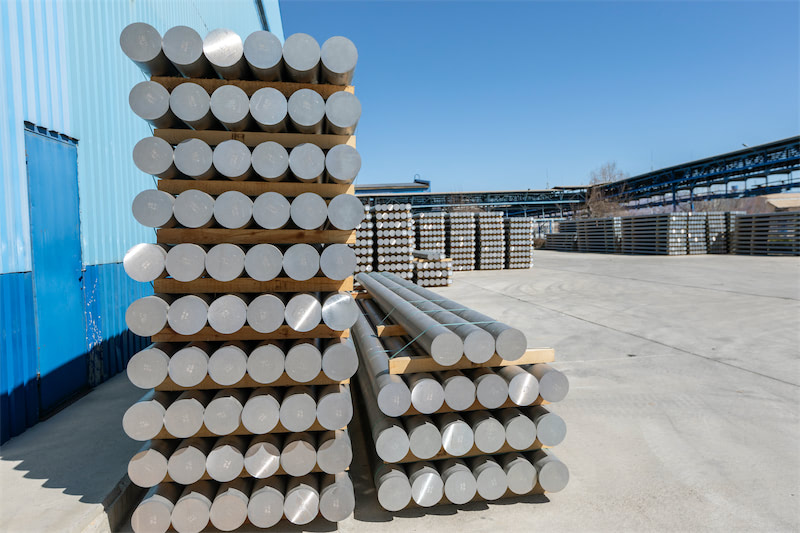
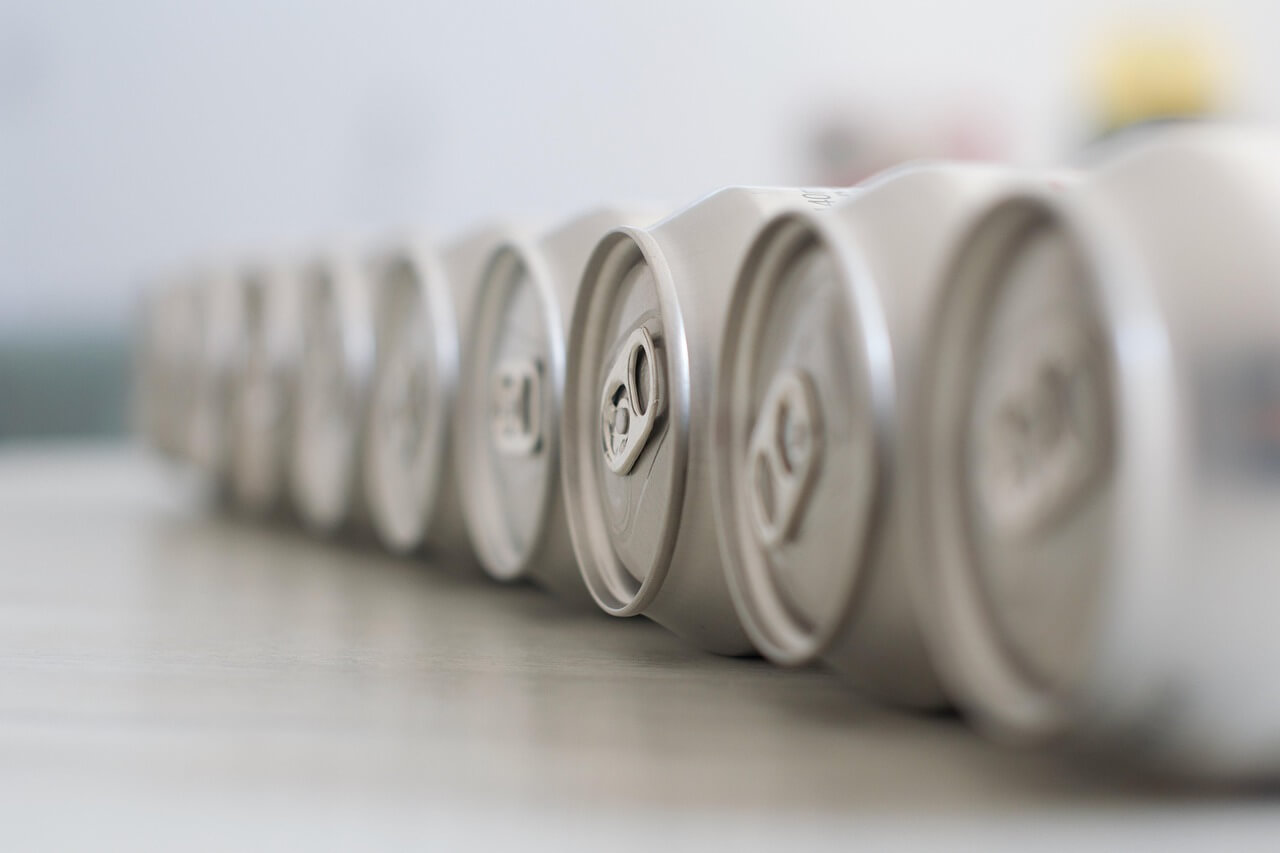
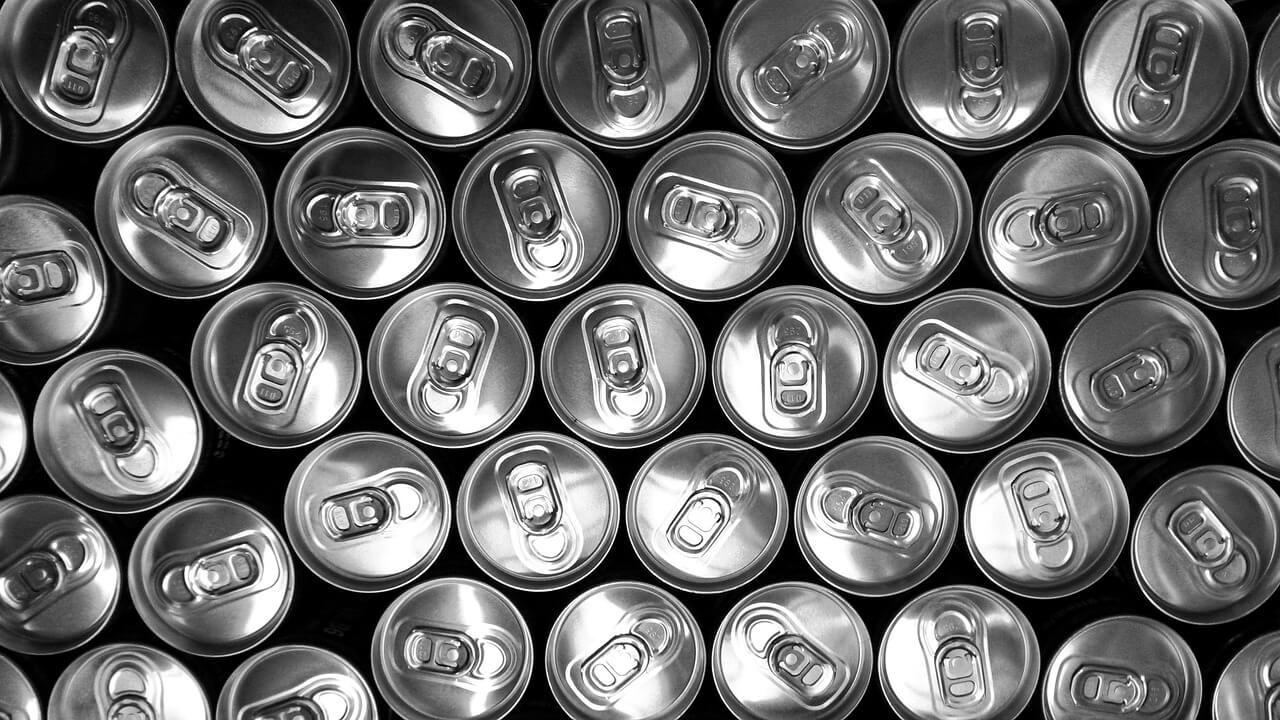
Since its establishment in 2012, Asia's largest aluminum recycling center has recycled a total of 133.3 billion aluminum beverage cans.
As of March 21, the company's recycling center in Rongju, South Korea, had recorded the recovery of 2 million tons of aluminum beverage cans, according to Norbelis's website. This means that since the center began operation in 2012, a total of 133.3 billion aluminum beverage cans have been recycled, reducing carbon emissions by 20 million tons, equivalent to planting 340 million trees a year.
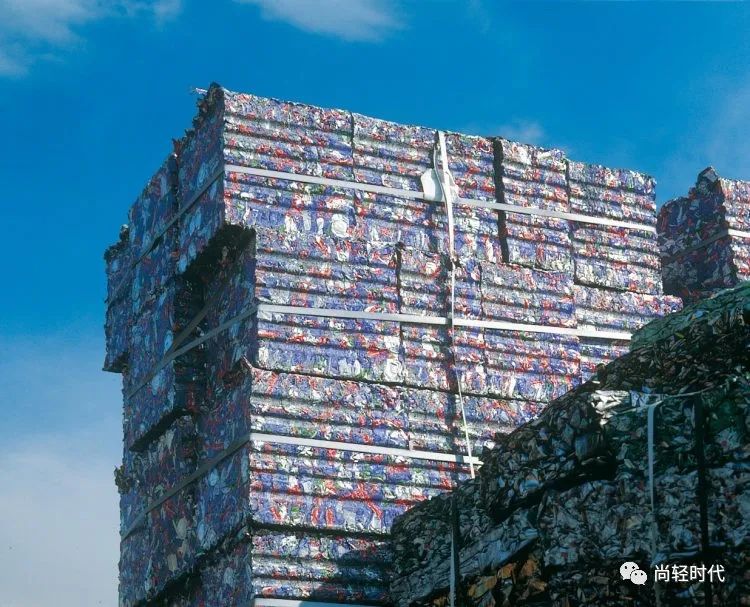
Rongzhou Recycling Center has set up a closed-loop recycling system that can recycle used aluminum beverage cans into new ones within 60 days. The center has the largest recycling capacity of aluminum beverage cans in Asia. Through continuous investment, the center now has an annual production capacity of 340000 tons of low-carbon aluminum flat ingots. The center recycles more than 18 billion aluminum beverage cans every year. The center is a globally recognized sustainable production enterprise and has been certified by the Aluminum Management Initiative ASI.
Recycling aluminium beverage cans helps to reduce energy use and the exploitation of natural resources, thereby minimizing the impact on the environment. Compared with producing primary aluminum from exploited resources, recycled aluminum can reduce carbon emissions and energy consumption by 95%, respectively.
Norris has state-of-the-art aluminum recycling facilities in Asia, Europe, North and South America, recycling 74 billion aluminum beverage cans a year. Recently, the company announced the construction of a new recycling center in Ulsan, South Korea, to meet the growing demand for low-carbon sustainable aluminum products. The company plans to open a plant with an annual capacity of 100000 tons in Ulsan, South Korea, by 2024.
Sachin Satpute, president of (Novelis Asia) in Norbelis Asia, said: "Aluminum is an ideal material for a low-carbon circular economy because it can be recycled indefinitely, so it is environmentally friendly. Nobelis will develop more technologies and increase investment to achieve the goal of carbon neutrality by 2050. "
In April 2021, Norris announced its sustainability goals, promising to be carbon neutral by 2050 or earlier, and to reduce carbon emissions by 30% by 2026. The company also set a goal of reducing energy and water use by 10 per cent and landfills by 20 per cent by 2026. In its plan, Nobelis is also committed to achieving a complete circular economy and creating a more diversified, inclusive and safe working environment.