On the morning of February 28, the State Information Office held a press conference on promoting the smooth operation and upgrading of industry and information technology. Xiao Yaqing, minister of industry and information technology, Xin Guobin, vice minister of industry and information technology, and Tian Yulong, chief engineer and spokesman of the Ministry of Industry and Information Technology, gave a briefing on promoting the smooth operation, quality upgrading and upgrading of industry and information technology, and answered reporters' questions.
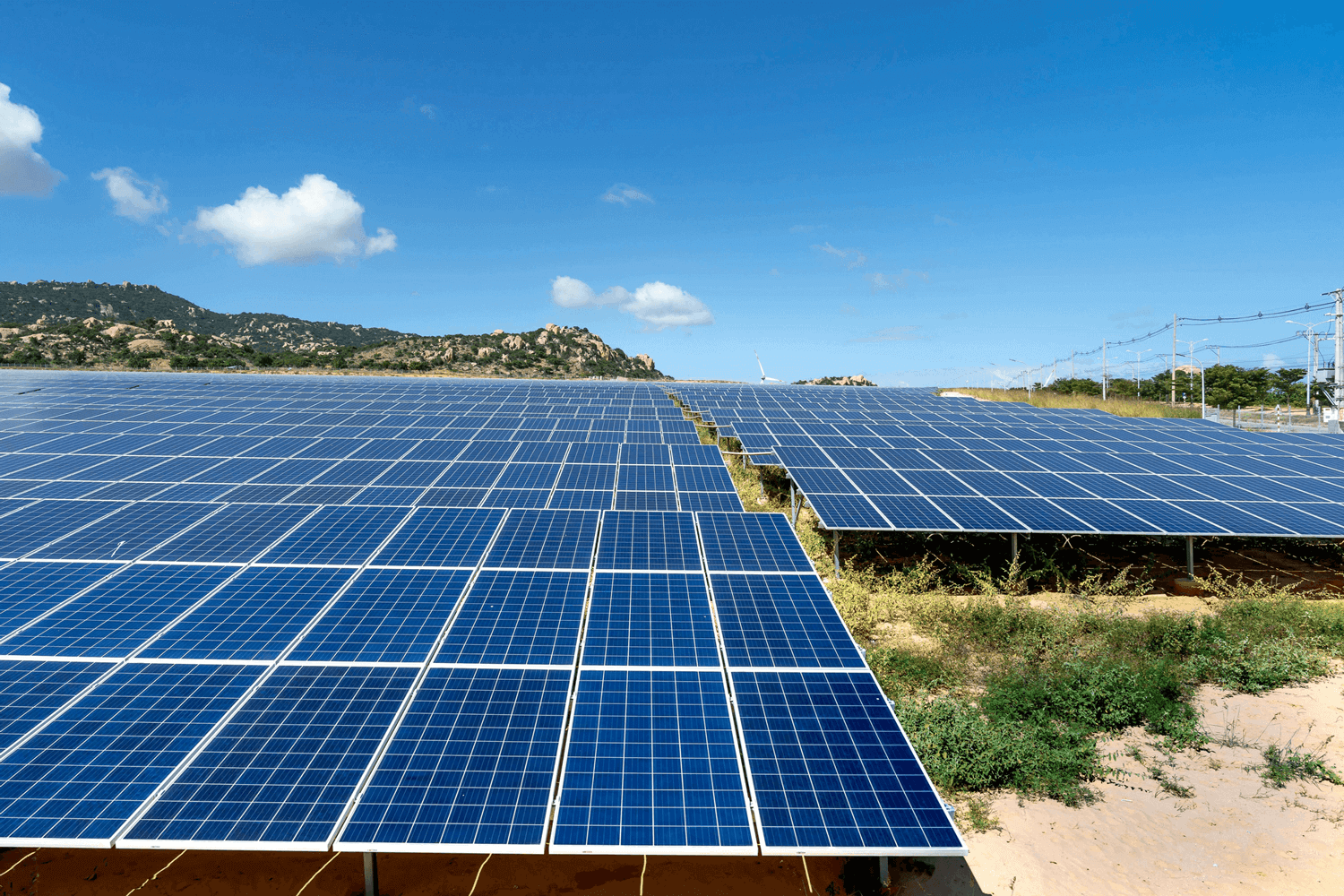
Xiao Yaqing said at the press conference that in 2021, the industrial structure will be further optimized and upgraded, solar cells will grow by 42.1% year-on-year, and the production and sales of new energy vehicles will increase 1.6 times compared with the same period last year. The next step is to take more measures to expand consumer demand. We will continue to implement policies such as subsidies for the purchase of new energy vehicles, rewards and subsidies for charging facilities, and tax concessions for vehicles and vessels. At the same time, new energy vehicles, green smart home appliances and green building materials will be carried out to the countryside.
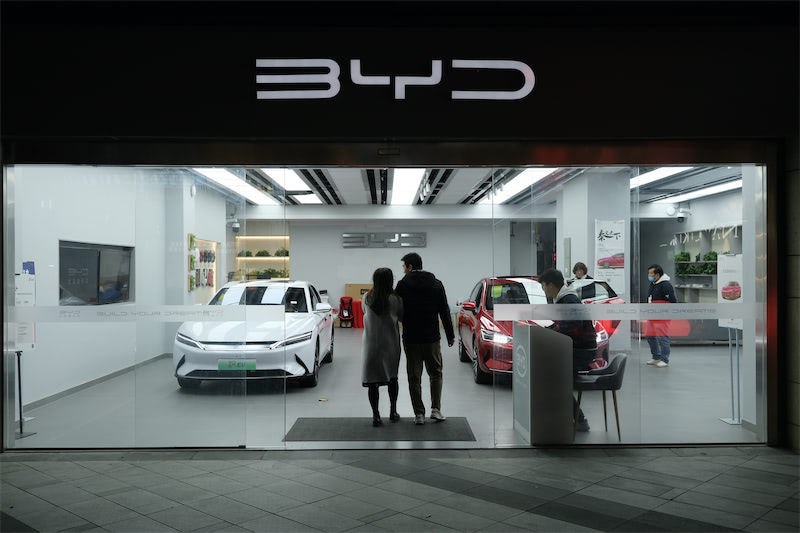
For the focus of the next step in the development of new energy vehicles in China? Xin Guobin said that during the 13th five-year Plan period, China's new energy vehicle industry developed relatively fast. Annual sales increased from 507000 in 2016 to 1.367 million in 2020, with an average annual growth rate of 28%. Last year, the new energy vehicle industry handed over a beautiful answer paper, production and sales both exceeded 3.5 million, reaching 354.5 and 3.521 million respectively, an increase of 1.6 times over the same period last year, ranking first in the world for seven consecutive years, with a cumulative promotion volume of more than 9 million vehicles. The achievements of the new energy vehicle industry in 2021 have exceeded the forecasts of some experts and institutions. I think everyone will be concerned about whether this gratifying development situation can be maintained this year. Recently, the Ministry of Industry and Information Technology has carried out a series of research work and deeply felt that the development of the new energy vehicle industry is in line with the direction of green and low-carbon development, driving the extension and expansion of power batteries, motors, electric control and other industrial chains, giving birth to the rapid application of new technologies such as intelligent cockpit, self-driving, intelligent network connection, and promoting changes in logistics and transportation. It also brings a new experience of green travel to the majority of consumers. The ecology of industrial development has been gradually improved and perfected, so judging from various aspects, the development of China's new energy vehicle industry has entered a new stage of large-scale and rapid development, although the development is still facing some difficulties and challenges. however, it is expected to maintain the trend of rapid growth this year. In the follow-up, the Ministry of Industry and Information Technology will give full play to the role of the inter-ministerial joint meeting mechanism for the development of energy conservation and new energy automobile industry, focusing on five aspects of work.
First, improve the support policy. We will step up efforts to study and clarify the supporting policies such as the extension of tax concessions for new energy vehicles, optimize the "double points" management method, effectively link up with the subsidy slope, and stabilize market expectations. The Ministry of Industry and Information Technology will organize and compile a road map for the green development of the automobile industry to provide guidance and help for enterprises in the industry.
The second is to support innovative breakthroughs. Promote the integrated development of electrification and intelligent network technology, further improve the performance of power battery safety and low temperature adaptation, speed up the application of 5G, vehicle-road collaborative technology, and develop more leisure and entertainment, life services, self-driving and other functions to meet the needs of consumers, continue to improve the product quality and driving experience of new energy vehicles, and enhance the sense of achievement of consumers.
The third is to promote market expansion. The Ministry of Industry and Information Technology will launch a pilot project to fully electrify public domain vehicles in cities, focusing on improving the level of electrification of urban vehicles such as logistics and distribution, rental and sanitation. In view of the problem of "difficulty in charging" reflected by the common people in old residential areas and highways, the Ministry of Industry and Information Technology, together with relevant parties, will speed up the construction of charging infrastructure, promote the realization of information sharing and unified settlement, and constantly improve the charging convenience of new energy vehicles.
Fourth, strengthen the guarantee of resources. With a view to meeting the production needs of power batteries, we will appropriately speed up the development of domestic lithium, nickel and other resources, and crack down on unfair competition such as hoarding and driving up prices. At the same time, improve the power battery recycling system, support efficient disassembly, recycling and other technologies, and constantly improve the recovery ratio and resource utilization efficiency.
Fifth, strengthen safety supervision. The Ministry of Industry and Information Technology has always stressed that safety is the prerequisite for the development of the new energy vehicle industry, and there can be no development without safety. Therefore, the Ministry of Industry and Information Technology should adhere to the bottom line thinking, overall improve functional security, data security, network security and other security capabilities. We will continue to improve the safety technical standards for new energy vehicles and enhance the level of thermal runaway alarm and safety protection of power batteries. Build a systematic, scientific and standardized safety management system of new energy vehicles, so that the majority of consumers can be more at ease to use.
The latest data show that the phenomenon of lack of cores in the automotive industry has been alleviated. Around the follow-up planning and layout of the chip industry, Xin Guobin said that since the outbreak of COVID-19, the issue of automobile chips has become a high-frequency word in public opinion. The Ministry of Industry and Information Technology has been paying close attention to this work and has worked with the parties concerned to study measures to deal with it. It has taken the lead in setting up a working group on the promotion and application of automotive semiconductors, strengthening the docking of supply and demand between vehicle, spare parts and chip enterprises; implementing the management and convenience service measures of automobile "announcement" to promote the loading and application of alternative products; and cooperating with relevant departments to investigate and deal with unfair competition practices such as automotive chip hoarding and inflating prices, and use these measures to enhance chip supply capacity and strive to maintain the smooth operation of the automotive industry.
With the joint efforts of all parties, the work of ensuring the supply of automotive chips has achieved phased results, as shown in the recovery of China's monthly automobile production and sales since the fourth quarter of last year. In 2021, China's automobile production and sales completed 26.082 million and 26.275 million respectively, an increase of 3.4% and 3.8% respectively over the same period last year, ending the decline of automobile production and sales for three consecutive years. This achievement is still hard to come by. In January this year, China's automobile production and sales completed 2.422 million and 2.531 million respectively, an increase of 1.4% and 0.9% respectively over the same period last year. It should be said that the automobile industry got off to a relatively smooth start this year.
From the monitoring situation of key automobile enterprises, although the shortage of automotive chip supply has been gradually alleviated, there is still a certain gap compared with the demand and production scheduling of vehicle and parts enterprises. Considering that the world's major chip companies have increased the production and supply of car-gauge-grade chips, new production capacity will also be released this year, and the supply capacity of some domestic chip products is also gradually increasing, and the supply situation of automotive chips is expected to continue to improve.
In the next step, the Ministry of Industry and Information Technology will take more measures to maintain the stable operation of the automobile industry, focusing on the following aspects:
First, strengthen the docking of supply and demand. On the basis of past work, it is necessary to build an online supply and demand docking platform for automotive chips, smooth the information channels of chip production and supply, and improve the cooperation mechanism between the upstream and downstream of the industrial chain.
The second is to increase production coordination. Guide vehicle and parts enterprises to optimize supply chain layout, reasonably schedule production, help each other, improve the efficiency of resource allocation, and minimize the impact of lack of core. The allocation efficiency of chips is also very important. Some enterprises' products are marketable, and the chip shortage has a great impact; some enterprises' products are not recognized by consumers, so even if they get some chips, no one is willing to buy the products produced, which will cause a mismatch of resources to the whole industry.
The third is to improve the chip supply capacity. Further support the collaborative innovation of vehicle, spare parts and chip enterprises to enhance the domestic chip production and supply capacity in a safe and orderly manner. At the same time, due to the shortcomings of the application test and evaluation system, the work in this area will be further strengthened this year.
Fourth, strengthen international cooperation. Automobile is a highly international industry. We must adhere to the development direction of globalization, promote multinational chip enterprises to increase the supply of Chinese market, increase the distribution of local production, and enhance the resilience and stability of the industrial chain supply chain.
What specific measures will be taken this year to steadily promote the green and low-carbon transformation of the industry? Xiao Yaqing said that achieving carbon peak and carbon neutralization is a major strategic decision made by the CPC Central Committee in co-ordinating the overall domestic and international situation. The realization of carbon peak and carbon neutralization is an extensive and profound change, which is not only the inherent requirement to promote high-quality development, but also the inevitable choice. To promote industrial green and low-carbon transformation in a safe and orderly manner, we will mainly carry out work in several aspects: first, to strengthen top-level policy design. The second is to promote the in-depth adjustment of the industrial structure in an orderly manner. The third is to implement the green and low-carbon transformation action of the manufacturing industry. The fourth is to build a supply system of green and low-carbon products. Improve the green manufacturing system, continuously strengthen the green design of products, and create a number of green design demonstration enterprises. We will increase the supply of photovoltaic, wind turbines, energy-saving motors and other equipment, implement special actions for the innovation and development of intelligent photovoltaic industries, and improve the wind power equipment industry chain. We will revise and improve the double points management system for automobile fuel consumption and new energy vehicles. By strengthening the supply of green and low-carbon products, we will help achieve carbon peak in energy, transportation, urban and rural construction and other areas.
![[Resumen de la reunión matutina de cobalto y litio de SMM] Los productos químicos de litio se consolidan y divergen, la pugna entre oferta y demanda en la cadena industrial se intensifica](https://imgqn.smm.cn/usercenter/tKgKv20251217171725.png)
![[Resumen de la reunión matutina de SMM sobre cobalto] La demanda de temporada alta no cumple las expectativas y la competencia en la cadena industrial sigue intensificándose](https://imgqn.smm.cn/usercenter/eGQFu20251217171723.jpeg)