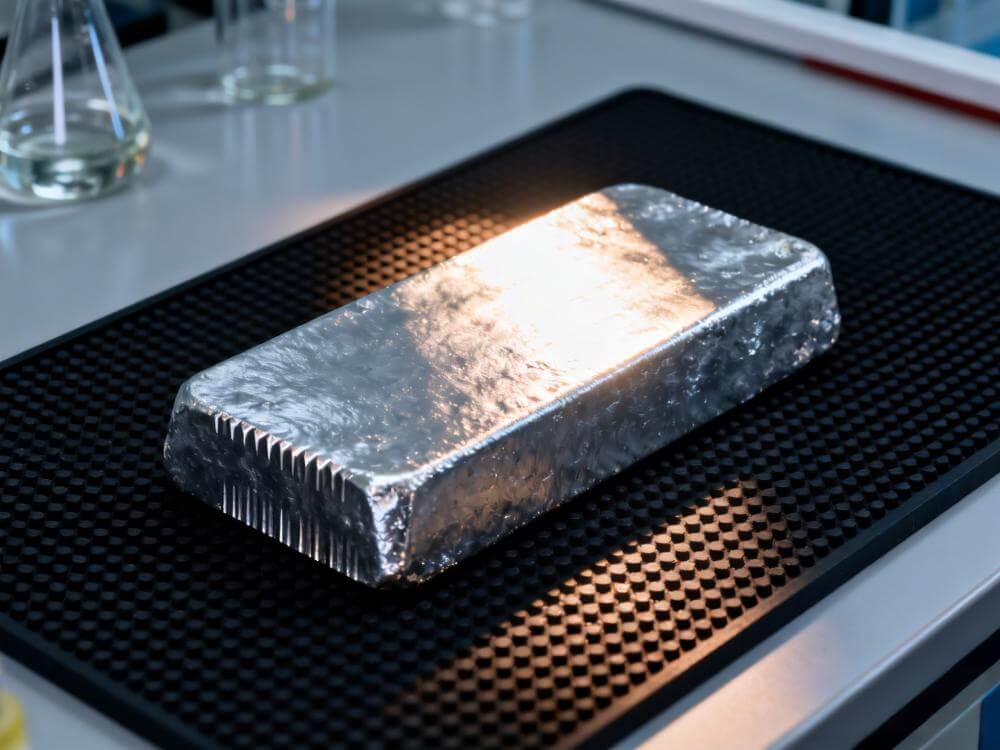
Wanfeng Owei recently received a multi-agency survey, which said that after more than 20 years of development, Wanfeng Owei has formed a "twin-engine"-driven development pattern of the automotive metal parts lightweight industry and the navigable aircraft manufacturing industry. The lightweight industry of automotive metal parts has formed a leading position in the subdivision of automotive parts with the lightweight application of metal materials such as "magnesium alloy, aluminum alloy, high strength steel" as the main line. Tonghang aircraft Manufacturing is a professional general aircraft manufacturer integrating independent research and development, top design, advanced manufacturing, sales and service, etc., and is one of the top three fixed-wing general aircraft manufacturers in the world. The company's industry strives to become a promoter and leader in lightweight technology and a global leader in general aircraft innovation and manufacturing enterprises.
Magnesium Reading, founded in 1981 and headquartered in Ontario, Canada, acquired magnesium Reading in 2015. Magnesium Redding is a lightweight global leader and the largest supplier of magnesium alloy die-casting parts in the global automotive market, providing customers with all-round integrated services from independent research and design of magnesium alloy components, sample development to complete mass production solutions. It has realized the global layout, forming the global layout of 7 production bases in five countries in America, Europe and Asia, with customers covering world-famous automobile brands, including Tesla, Porsche, Audi, Mercedes-Benz, BMW, General Motors, Ford, Volvo, Jaguar Land Rover, Toyota, Xiaopeng, Xilai and so on. Magnesium Redding die-casting equipment is mainly high-pressure die-casting, covering large, medium and small tonnage, of which large tonnage equipment accounts for more than 60%, is the world's most productive capacity, the strongest magnesium alloy parts production company.
In the aspect of magnesium alloy application and development, we took the lead in realizing magnesium alloy die-casting of gearbox distributor and its shell and cover in North America, and took the lead in completing the technical transformation from small and medium tonnage magnesium alloy application products to large tonnage and thin-walled die castings. Leading the world's large-scale thin-walled die-casting technology, products include dashboard brackets, front-end module products, rear hatchback door inner panels and so on. Magnesium Redding mainly sells in North America, with a market share of 65%, followed by China and Europe.
Under the trend of global carbon neutralization, new energy vehicles are booming, which puts forward higher requirements for automobile lightweight, which provides a good opportunity for the development of the company's magnesium alloy business. Magnesium Redding actively seize the development opportunity of China's new energy vehicle market, strengthen in-depth technical cooperation and exchanges with T3 (FAW, Dongfeng, Changan) mainframe plants and new forces of new energy vehicle manufacturing, and based on the Asia-Pacific market and technical needs, develop new magnesium-aluminum alloy products, new processes and new materials, provide customers with advanced lightweight solutions, and promote the establishment of the Asia-Pacific Technology Center to mature the company's magnesium alloy technology. Promote and apply to China and Asia-Pacific markets. At the same time, with the help of the development opportunity of the shift from traditional European car enterprises to new energy technology, we will actively expand the European market.
Lightweight has become the inevitable trend of the development of the automobile industry, and it is the main way for the automobile industry to meet the national emission standards, reduce energy consumption and pollutant emissions, and achieve the double carbon goal. According to the European Aluminium Association, every 10% reduction in fuel vehicle mass can reduce fuel consumption by 8%; if the weight of a pure electric vehicle is reduced by 10kg, its driving range will increase by 2.5km.
Magnesium alloy is an ideal lightweight material for automobile at present. Compared with steel and aluminum alloy, magnesium alloy has the following characteristics: (1) the surface storage of magnesium is very abundant, which is in the top 10 of metal storage. At present, the output of magnesium is relatively low, and the actual output and storage capacity are not symmetrical. (2) the lightweight property of magnesium metal, its density is 2 / 3 of aluminum, and its specific strength is higher than that of steel and aluminum, so it is a very light structural material. (3) magnesium has good recyclability and reusability. Magnesium alloy is a very valuable lightweight structural metal material because of its excellent properties such as low density and high specific strength.
Magnesium Redding has the world's top magnesium alloy technology R & D center, mastering the world's leading technologies such as magnesium alloy casting, mold design and connection, with strong technical R & D strength and quality management advantages. Magnesium Reading has won many honors such as American Foundry Award, International Die casting Competition Award, International magnesium Alloy Application Award and so on. It is a global leader in the core technologies of magnesium alloy processing, such as materials, casting, simulation, bonding and corrosion resistance, especially in die casting. The development of large thin wall die casting key technology and dissimilar metal connection technology (SPR, etc.) ensures absolute superiority in the design and production of large thin wall die castings.
Magnesium Reading has a total consumption of about 100kg for mature products (instrument panel bracket, back lift door inner panel, front module bracket, rear side door inner panel, power assembly, gearbox shell / cover, etc.). It has become the preferred partner for magnesium alloy lightweight in automobile mainframe factory. By 2025, the total consumption of damping towers, column structures and other products can reach nearly 180Kg. The average consumption of magnesium alloy bicycles in China is 3-5 kg. If the actual average consumption of magnesium alloy bicycles reaches 15kg by 2025, there is a lot of room for improvement in the market application.
Due to the low application permeability of magnesium alloy components, the use of magnesium alloy in China has developed rapidly in recent years, but there is some gap between it and the market expectation. At present, the average consumption of magnesium alloy bicycles in the North American market is 15 kg, while the average consumption of magnesium alloy bicycles in China is 3-5 kg.
Domestic automobile main engine factories pay more attention to the material cost. in terms of process, the cost of magnesium alloy is higher than that of aluminum alloy and high strength steel, but with the progress of material technology, it is believed that the comprehensive cost will be closer and closer to aluminum alloy and high strength steel. At the same time, the construction of the standardization system for the use of magnesium alloy in China is still insufficient compared with the middle and high-end mainframe factories abroad, and the restrictions on the design authority of the domestic mainframe factory mainly use the foreign design team, therefore, if the models that have been put on the market do not use magnesium alloy at the beginning, they do not have much design authority and experience to change this situation. In addition, the main engine factory lacks the historical data of the operation of magnesium alloy parts in the whole automobile life cycle, which also affects the willingness to use magnesium alloy materials. The above factors restrict the rapid application of magnesium alloy in automobile.
In this context, the company and T3 mainframe factory to form a T3room1 cooperation mechanism, the company is responsible for magnesium alloy large casting structure design, process and mold design, T3 mainframe factory will provide new vehicle platform or mass production models, select suitable parts, carry out the promotion and application of magnesium alloy technology. The research and development products focus on magnesium alloy products such as dashboard bracket, wheel, front-end module and gearbox shell, screen elevator bracket, involving more than ten vehicle models. It will have a positive impact on the domestic application of the company's magnesium alloy business, the increase of market share and the sustainable development of the company.
In terms of the domestic market pattern of magnesium alloy parts, Wanfeng Aowei introduced that at present, some state-owned and private capital have gradually entered the magnesium alloy industry, indicating that the market has a consensus on magnesium alloy materials and applications, and will further expand the magnesium alloy application scene. Promote the industry's technological breakthrough, technical bottlenecks will be less and less, magnesium alloy application scenarios will be more and more, in order to jointly expand the market and promote the healthy development of the magnesium alloy industry.
Magnesium Redding has made outstanding achievements in the development of magnesium alloy deep processing and has a very clear technical route planning; at the same time, the company is committed to promoting the progress of the industry, and will also promote the development of the industry through competition and cooperation.
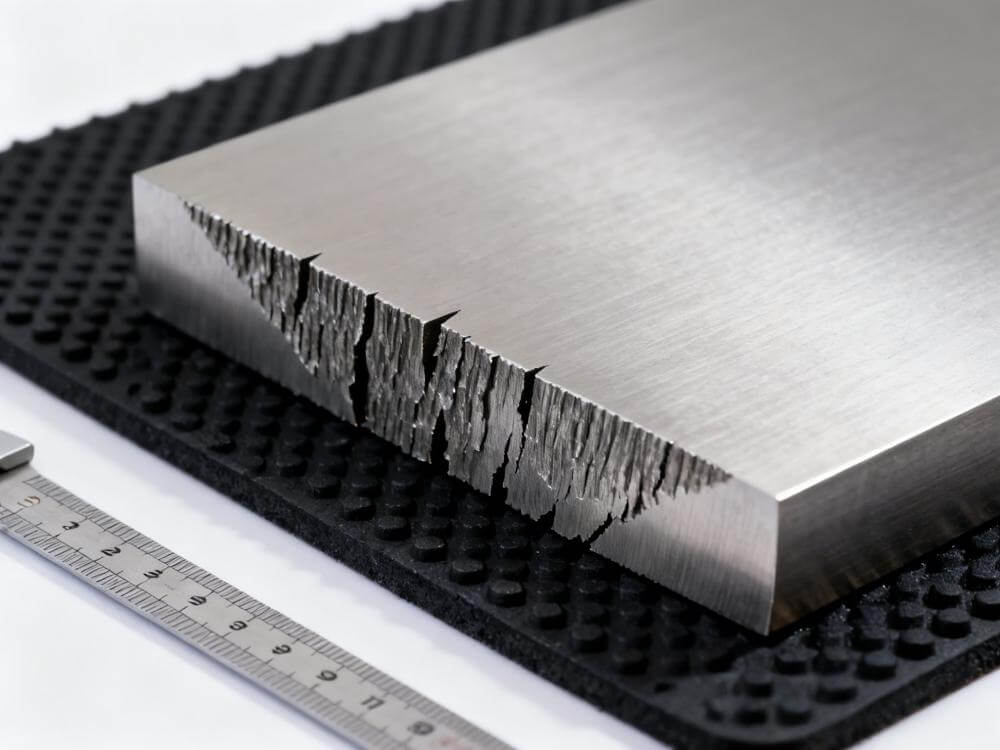
![El repunte del carbón enciende el mercado del magnesio, la consolidación de dos meses finalmente se rompe, los recortes de producción y la reducción de inventarios señalan el próximo repunte [Análisis de SMM]](https://imgqn.smm.cn/usercenter/mLwgx20251217171723.jpeg)
![Los precios del magnesio subieron impulsados por los costos, pero la débil demanda hace insostenible el repunte [Reseña semanal del magnesio de SMM]](https://imgqn.smm.cn/usercenter/rUQIB20251217171723.jpeg)