New tariff codes of aluminium scrap not yet fully implemented

Publicado: Nov 23, 2020 14:30 (GMT+8)
Starting from November 1, imported recycled cast aluminium alloy raw materials that comply with the Recycled Cast Aluminium Alloy Raw Materials (GB /T 38472-2019) can be imported freely without approval and port restrictions, according to the Announcement on Regulating the Import Management of Recycled Brass Raw Materials, Recycled Copper Raw Materials and Recycled Cast Aluminium Alloy Raw Materials.

SHANGHAI, Nov 23 (SMM) — Starting from November 1, imported recycled cast aluminium alloy raw materials that comply with the Recycled Cast Aluminium Alloy Raw Materials (GB /T 38472-2019) can be imported freely without approval and port restrictions, according to the Announcement on Regulating the Import Management of Recycled Brass Raw Materials, Recycled Copper Raw Materials and Recycled Cast Aluminium Alloy Raw Materials. However, SMM’s survey has found that most customs ports have not yet recognised the new tariff code (7602000020) and are still implementing the previous tariff code.

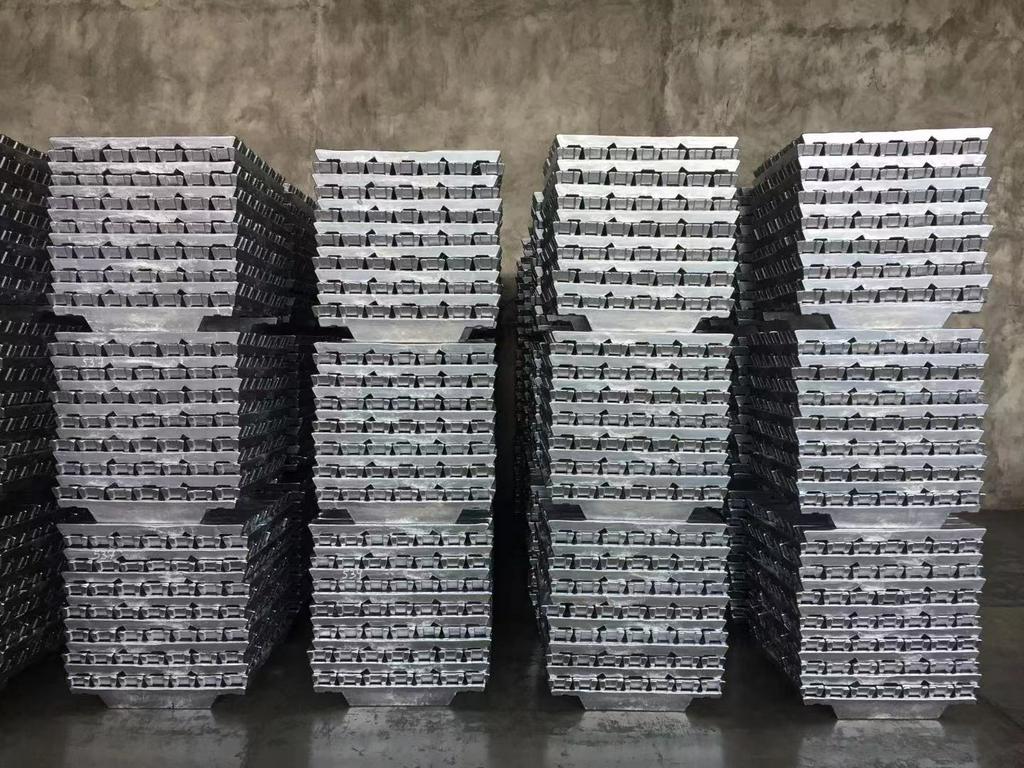
Some freight forwarding companies have released relevant tariff rates of products under the new tariff code (7602000020), whose most-favoured-nation (MFN) import tariff rate is 1.5%. There are indeed a certain amount of imported aluminium alloy ingots and aluminium scrap that have entered China at the MFN rate of 1.5%, but the amount is limited and only a few ports allowed imports. Ningbo port has imported Indian secondary aluminium ingots under the new tariff code (the tariff rates under the previous and new tariff codes are 4.6% and 1.5% respectively). Sanshan port and Zhaoqing port in Guangdong imported scrap aluminium. However, market opinions are divided on the issue of tariff rates. Some are concerned that companies who imported at the tariff rate of 1.5% will need to pay additional tax in the future while others believe that the 1.5% tariff rate will be fully refunded.

Other ports refused to recognize the new tariff code 7602000020 on the grounds that the General Administration of Customs did not issue tariff rates of the new tariff code, and continue to implement the previous tariff codes for aluminium scrap and secondary aluminium.

For more information on the aluminium sector, please subscribe to China Aluminium Weekly.

Declaración de Fuente de Datos: Excepto la información disponible públicamente, todos los demás datos son procesados por SMM basándose en información pública, comunicación de mercado y confiando en el modelo de base de datos interna de SMM. Son solo para referencia y no constituyen recomendaciones para la toma de decisiones.

Para cualquier consulta o para obtener más información, por favor contacte: lemonzhao@smm.cn
Para más información sobre cómo acceder a nuestros informes de investigación, contacte con:service.en@smm.cn
Noticias relacionadas
[SMM Noticias breves] South32 revisó la oferta de prima CIF MJP del cuarto trimestre de 2026 a 265 USD/tm
hace 6 horas
[SMM Noticias breves] South32 revisó la oferta de prima CIF MJP del cuarto trimestre de 2026 a 265 USD/tm
Leer más
[SMM Noticias breves] South32 revisó la oferta de prima CIF MJP del cuarto trimestre de 2026 a 265 USD/tm
[SMM Noticias breves] South32 revisó la oferta de prima CIF MJP del cuarto trimestre de 2026 a 265 USD/tm
Fuentes del mercado informan: South32 revisó la oferta de prima CIF MJP para el cuarto trimestre de 2026 a 265 USD/tm, por debajo de los 325 USD/tm. Vigencia: 5 de octubre de 2026.
hace 6 horas
India ADC 12 se mantiene firme mientras el aluminio en la LME cae; la escasa oferta de chatarra limita la caída
hace 23 horas
India ADC 12 se mantiene firme mientras el aluminio en la LME cae; la escasa oferta de chatarra limita la caída
Leer más
India ADC 12 se mantiene firme mientras el aluminio en la LME cae; la escasa oferta de chatarra limita la caída
Los precios del ADC 12 en India se mantuvieron relativamente estables a pesar de una caída del 1,2 % en los precios del aluminio a 3 meses en la LME entre el 24 y el 30 de septiembre.
hace 23 horas
Rio Tinto asegura las operaciones de la fundición de Bell Bay hasta finales de 2031
01 Oct 2026 17:09 (GMT+8)
Rio Tinto asegura las operaciones de la fundición de Bell Bay hasta finales de 2031
Leer más
Rio Tinto asegura las operaciones de la fundición de Bell Bay hasta finales de 2031
Rio Tinto anunció el 1 de octubre que había alcanzado acuerdos con el Gobierno de Tasmania, el Gobierno de la Mancomunidad de Australia e Hydro Tasmania para extender el suministro eléctrico a la fundición de aluminio de Bell Bay hasta finales de 2031. Los dos gobiernos también aportarán un paquete de apoyo combinado de 200 millones de dólares australianos a lo largo de cinco años, contribuyendo 100 millones cada uno. No se divulgaron los términos comerciales del acuerdo energético. Bell Bay produce alrededor de 190.000 toneladas de aluminio primario al año, mientras que su contrato eléctrico vigente debía expirar a finales de 2026. El acuerdo elimina la incertidumbre operativa inmediata de la fundición. Bell Bay es la tercera gran fundición de aluminio australiana en recibir apoyo respaldado por el Gobierno en 2026, tras Boyne y Tomago, lo que pone de relieve la presión continua de los elevados costes eléctricos y la competencia internacional.
01 Oct 2026 17:09 (GMT+8)