SMM: on September 26th, Bosch fuel cell stack, silicon carbide power devices and intelligent cockpit made their debut in China at the 2020 Beijing Auto Show.
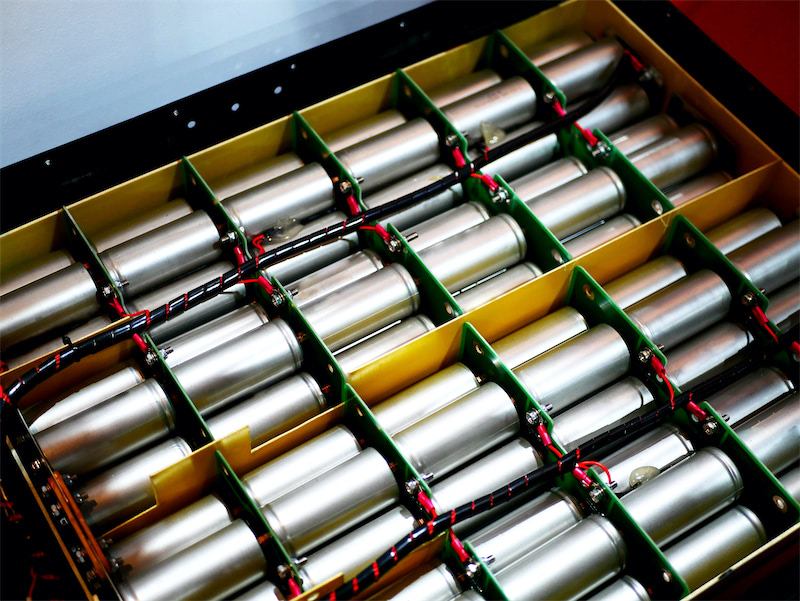
Hydrogen fuel cell, with a series of advantages such as short fuel filling time, high mileage and zero emission, has become the mainstream solution in the new energy technology route of commercial vehicles all over the world. At the auto show, Bosch exhibited fuel cell stacks, as well as key components such as electronic air compressors, hydrogen injectors and hydrogen circulating pumps, of which the stack was displayed for the first time in China.
It is reported that the fuel cell stack produced by Bosch has a wide power range and can be adapted to a variety of applications. Due to the first-class power density, the space required is small, and suitable stacks can be provided at various integration stages according to customer requirements, which is a reliable product for automotive grade applications. Fuel cell stacks can be used in combined fuel cell systems with rated power up to 200kW, with a wide range of applications from passenger vehicles to heavy commercial vehicles.
The exhibition further highlights Bosch's strategy to develop hydrogen fuel cells in China, while its fuel cell center in China will be completed by the end of this year and small batch production of the stack is expected to begin next year, according to Bosch officials.
In addition to the fuel cell, the Bosch silicon carbide power device unveiled this time is also its first appearance in the world. In recent years, automobile electrification has become the consensus of the global automobile development direction. Among them, China has become the world's largest market for new energy vehicles because of its first-mover advantages and policy guidance. This is the main reason why Bosch made its global debut of its newly developed silicon carbide power devices at the Beijing Auto Show.
It is understood that, as a global leader in auto parts, Bosch has become the largest motor supplier in China except the mainframe factory. This year, Bosch's bridge and IGBT power modules will take the lead in mass production and supply to customers in China. The silicon carbide power devices released this time, compared with traditional silicon-based material products, silicon carbide power devices achieve higher switching frequency while maintaining lower energy loss and smaller chip area, increasing the range of electric vehicles and hybrid vehicles by up to 6%.
In terms of in-car software and electronic systems, based on Bosch's 40 years of research and development experience in in-car software and its annual R & D expenditure of 3 billion ou yuan, its innovative product cockpit domain controller launched at the auto show can support multiple displays at the same time and integrate a variety of functional requirements to help automakers provide users with a continuous and comfortable driving experience. Bosch's vehicle remote upgrade solution is also evolving according to the needs of the industry, expanding from the SOTA upgrade of infotainment system and the FOTA upgrade of vehicle ECU to the overall solution of remote measurement, remote cloud diagnosis, big data platform and algorithm supporting the whole life cycle of the vehicle.
In response to the continuous development of the future trend of software-defined vehicles, Bosch will formally establish a new intelligent driving and control division in early 2021 to provide electronic systems and essential software for existing and new customers. The division focuses on the development of future-oriented automotive electronic and electrical architecture, co-ordinating vehicle computers, control units and sensors.
2020 will undoubtedly be a difficult year for the global auto market. By contrast, China, which controlled the epidemic earlier, has become the only bright spot in the global auto market. At the same time, the background of the world's largest auto market has enabled more vehicle and parts companies to focus on China, and Bosch is no exception.
The latest technology on display at the auto show is only part of it. According to Galaxy, this year, Bosch's first highway with automatic lane change and remote parking technology based on smart keys or mobile phones have been mass-produced in the Chinese market. In 2021, the new highway aids led by China and developed in cooperation with the world, as well as the world's first ADAS commercial vehicle project (lane maintenance function) will also be put into mass production in China, and so on.
Bosch smart driving product portfolio; photo source: Bosch
"Bosch in China will continue to adhere to the long-term development strategy of 'rooted in and serve the local', increase local innovation and research and development, and combine the advantages of hardware and software to help intelligent transportation travel in the future." Dr. Xu Daquan, Executive Vice President of Bosch (China) Investment Co., Ltd., said.