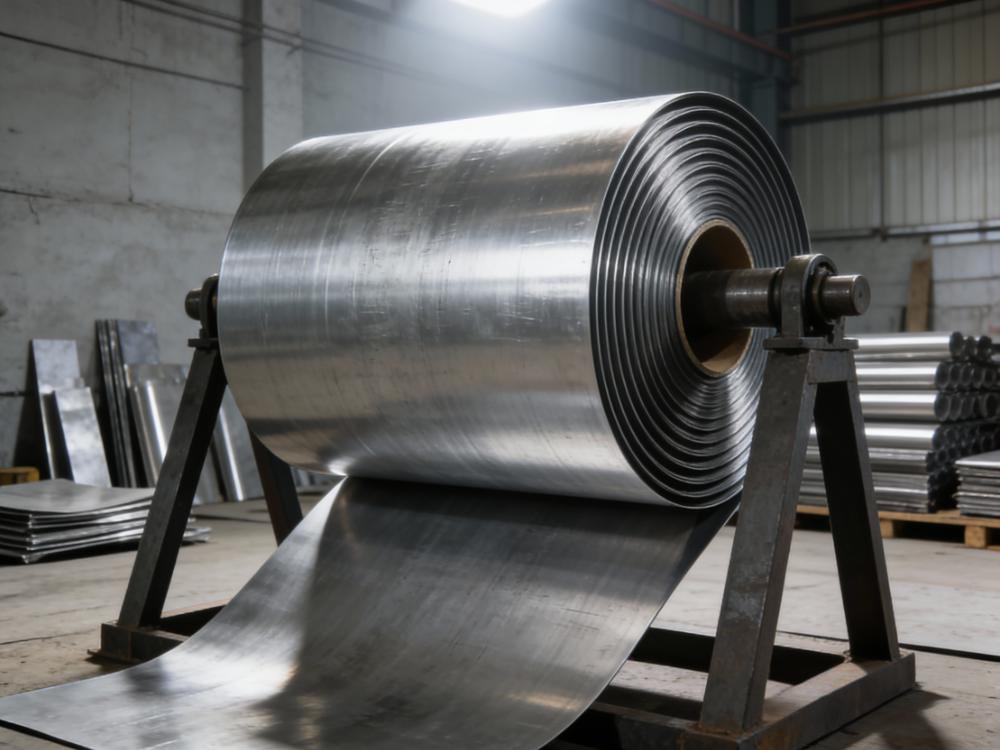
Study Report pinpoints Lead Acid Battery Recycling as the most polluting industry

Publicado: Oct 31, 2016 10:32 (GMT+8)
According to the report, these ten industries collectively put over 32 million people at risk in low and middle-income countries.

By Carolina Curiel

SEATTLE (Scrap Monster): The latest research report published by Green Earth in collaboration with Green Cross Switzerland has identified top ten polluting industries. According to the report, these ten industries collectively put over 32 million people at risk in low and middle-income countries. The report titled “The World’s Worst Pollution Problems 2016: The Toxics Beneath Our Feet” identifies used lead acid battery (ULAB) recycling as the most polluting industry.

The report quantifies the human health impacts of toxic pollution with a particular focus on chemical exposures. It analyzes the leading pollution-causing industries and focuses on associated contaminants that could be harmful to human health and environment. The report is based on investigations conducted at nearly 150,000 sites spread across nearly 50 countries. Part from ULAB, the other most polluting industries are lead smelting, mining and ore processing tannery operations, industrial/municipal dumpsites, industrial estates, artisanal gold mining, product manufacturing, chemical manufacturing and the dye industry.

Most recycling centers employ primitive and informal techniques to recycle used lead acid batteries. In many cases, they are broken up using hand axes or hammers. The smelting of metallic components is often carried out in open space. This operation leads to emission of toxic lead particles into the environment. In addition to highly toxic lead, the emission also results in emission of other pollutants including arsenic and cadmium. Studies have proved that lead exposure leads to developmental and neurological issues in children. The report notes that the largest number of polluted sites is in Southeast Asia. The other regions that contribute to pollution include ULAB recycling sites in Africa, Central and South America.

It is estimated that the health of nearly 7 million people is at risk from industrial mining and ore processing locations in countries where investigations were carried out. The most hazardous pollutants reported at these sites are lead, chromium, arsenic, cadmium and mercury. The report states that these sites may also contain pollutants such as radionuclides, cyanide and other heavy metals.

The report identifies lead as the largest contributing contaminant from lead smelting industries. In addition to lead, lead smelting could also result in emission of other pollutants including mercury and cadmium into air, soil and water. Tannery operations could lead to discharge of harmful chemicals such as hexavalent chromium.

Mercury is the top pollutant in artisanal gold mining operations. The sites are mainly located in Africa, Southeast Asia and Latin America. As per US EPA estimates, gold processing in artisanal mines releases approximately 400 metric tons of mercury every year.

Industrial/Municipal dumpsites pose threat to human health and environment. The largest number of these recorded dumpsites is in African, Eastern European and Northern Asian countries. Although each dumpsite varies in pollutants depending on the source of the waste, the most commonly identified pollutants include lead and chromium.

Meantime, pollution at industrial estates is generally caused by a lack of appropriate waste processing infrastructure or pollution controls. The majority of chemical manufacturing sites that cause pollution are located in China, Eastern Europe and South Asia. The report identifies lead mercury and chromium as the key pollutants from manufacturing sites. The processing of dyes causes emission of pollutants. The waste water from dye industry contains pollutants such as chromium, lead, mercury, cadmium sulfur, nitrates, chlorine compounds, arsenic, nickel and cobalt.

Declaración de Fuente de Datos: Excepto la información disponible públicamente, todos los demás datos son procesados por SMM basándose en información pública, comunicación de mercado y confiando en el modelo de base de datos interna de SMM. Son solo para referencia y no constituyen recomendaciones para la toma de decisiones.

Para cualquier consulta o para obtener más información, por favor contacte: lemonzhao@smm.cn
Para más información sobre cómo acceder a nuestros informes de investigación, contacte con:service.en@smm.cn
Noticias relacionadas
【Flash | PhotonLink de Coherent prepara el terreno para una expansión comercial del fosfuro de indio (InP)】
02 Oct 2026 14:34 (GMT+8)
【Flash | PhotonLink de Coherent prepara el terreno para una expansión comercial del fosfuro de indio (InP)】
Leer más
【Flash | PhotonLink de Coherent prepara el terreno para una expansión comercial del fosfuro de indio (InP)】
Coherent lanzó PhotonLink, una plataforma de óptica integrada para infraestructura de IA que incorpora láseres de fosfuro de indio (InP), fotónica de silicio, detectores y módulos ópticos. La compañía reveló más de 10 proyectos de CPO, más de 10 de NPO y más de cinco proyectos de conectividad chip a chip, con clientes ancla y acuerdos a largo plazo asegurados tanto para CPO como para NPO. Se espera que los ingresos comiencen a aumentar en el cuarto trimestre de 2026. Coherent ha enviado más de 300 millones de láseres de InP y está ampliando su capacidad de fabricación de InP de 6 pulgadas para respaldar el crecimiento. La cartera de clientes proporciona una señal de demanda comercial más clara para los dispositivos de InP y los materiales anteriores, aunque no se revelaron la capacidad adicional ni el consumo de indio.
02 Oct 2026 14:34 (GMT+8)
El segundo equipo de perforación de Nine Mile llega a Tribag–West Wedge para probar siete objetivos electromagnéticos
02 Oct 2026 10:38 (GMT+8)
El segundo equipo de perforación de Nine Mile llega a Tribag–West Wedge para probar siete objetivos electromagnéticos
Leer más
El segundo equipo de perforación de Nine Mile llega a Tribag–West Wedge para probar siete objetivos electromagnéticos
Nine Mile Metals anunció que su segunda plataforma de perforación había llegado a Tribag–West Wedge en Nuevo Brunswick, Canadá, y se espera que la perforación comience en Tribag en los próximos días. Siete objetivos electromagnéticos modelados están asociados con las ocurrencias de plomo-zinc de Tribag y cobre-plomo-zinc de West Wedge. La perforación en Wedge continúa en paralelo. Hasta el 21 de septiembre, la compañía había completado 18 pozos con un total de 4.934,50 metros de su programa anual de 10.000 metros. Los conductores siguen siendo objetivos geofísicos que requieren perforación para establecer su origen.
02 Oct 2026 10:38 (GMT+8)
【Noticias de última hora de SMM】Masivo intersecta 32,50 metros de mineralización polimetálica con plomo y zinc en Cerro Colorado.
01 Oct 2026 10:06 (GMT+8)
【Noticias de última hora de SMM】Masivo intersecta 32,50 metros de mineralización polimetálica con plomo y zinc en Cerro Colorado.
Leer más
【Noticias de última hora de SMM】Masivo intersecta 32,50 metros de mineralización polimetálica con plomo y zinc en Cerro Colorado.
Masivo Silver reportó los resultados del sondeo CC-26-001, su primer pozo en Cerro Colorado, Sonora, México. El pozo intersectó 32,50 metros desde 226,30 hasta 258,80 metros con leyes promedio de 0,271 % de zinc, 0,141 % de plomo y 7,0 g/t de plata. Dificultades técnicas terminaron la perforación a 259,5 metros mientras el pozo permanecía dentro de roca mineralizada.
01 Oct 2026 10:06 (GMT+8)