[Platinum and Palladium Price Review and Forecast]
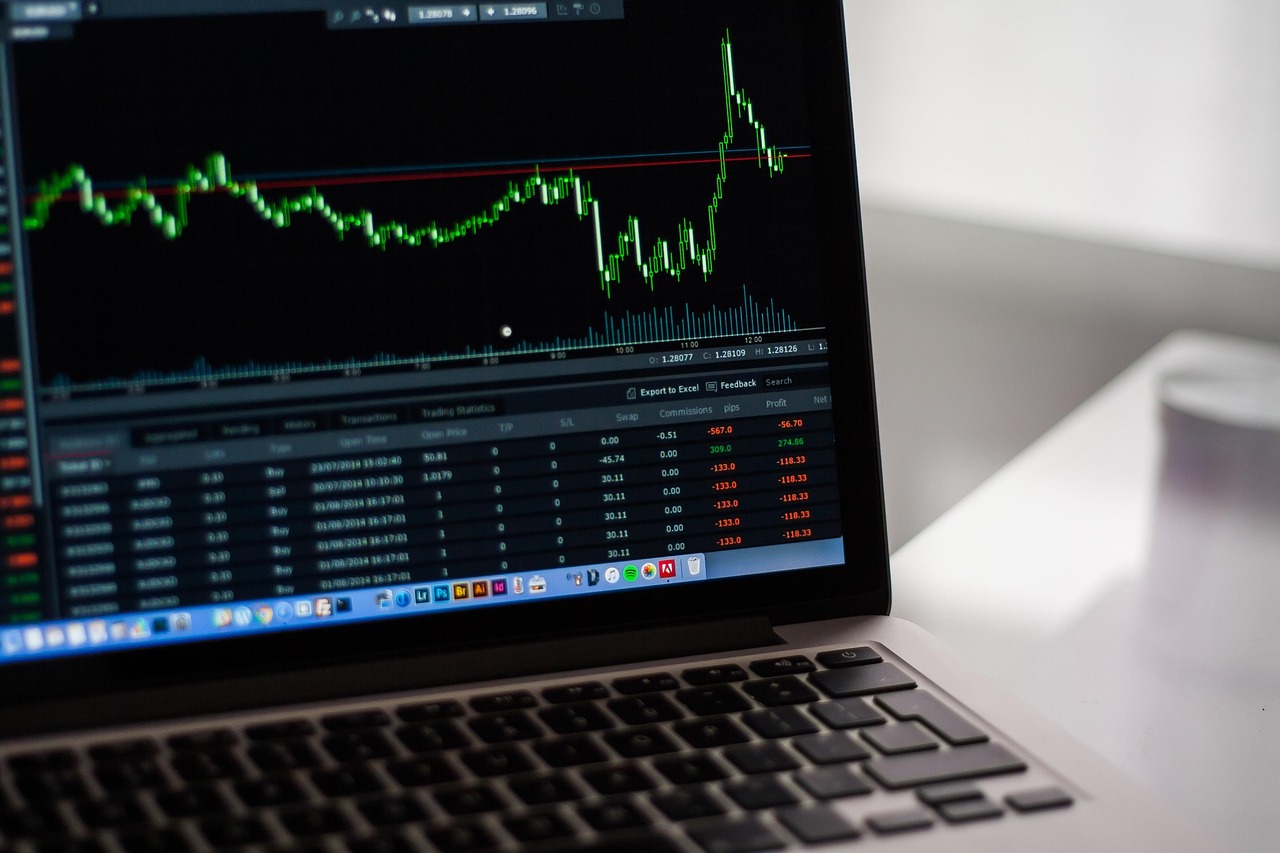
This week (October 30 - November 5), platinum and palladium prices showed a deep V-shaped trajectory of "sharp drop at the start of the week, bottoming out mid-week, and consecutive violent rebounds at the end of the week," with both metals closing higher for the week, and palladium's rebound elasticity exceeding that of platinum. The market's core trading theme revolved around the US midterm elections and US-Iran peace talks: at the start of the week, pressured by September PCE inflation rebounding more than expected, platinum and palladium extended losses and hit new stage lows; mid-week, on election voting day, market sentiment was dominated by a wait-and-see attitude, with palladium leading the decline; as Democrats swept both the Senate and the House, the US dollar index and US Treasury yields both pulled back, coupled with progress in US-Iran peace talks and plunging oil prices, platinum and palladium rebounded sharply for two consecutive days at the end of the week, recovering intraweek losses.
At the start of the week (October 30), September PCE data released on the evening of October 29 showed headline PCE up 3.6% YoY (previous: 3.4%) and up 0.5% MoM, with core PCE up 3.1% YoY (previous: 3.0%). Sticky inflation exceeded expectations, and combined with bearish earnings reports from heavyweight tech stocks dampening risk appetite, platinum and palladium fell sharply.
Mid-week, the US and Iran sent signals of peace talks and indirect consultations in Doha progressed, but with the midterm election voting day approaching, market sentiment was dominated by a wait-and-see attitude. Platinum consolidated at lows, while palladium, dragged down by its surplus fundamentals, fell steadily.
At the end of the week, the midterm election results were finalized, with Democrats reclaiming both the Senate and the House. Market expectations for fiscal expansion cooled, the US dollar index weakened to 101.4, and the 10-year US Treasury yield pulled back to a near two-month low; combined with progress in US-Iran peace talks and further plunging oil prices, platinum and palladium staged a V-shaped reversal.
The most-traded GFEX platinum futures contract PT2612 hit an intraweek high of 374.35 yuan/g and a low of 336.60 yuan/g, closing at 372.20 yuan/g on November 5, up about 1.00% from last Thursday's close of 368.50 yuan/g, with an intraweek range of about 10.24%; the most-traded palladium futures contract PD2612 hit an intraweek high of 244.45 yuan/g and a low of 214.95 yuan/g, closing at 242.85 yuan/g on November 5, up about 3.12% from last Thursday's close of 235.50 yuan/g, with an intraweek range of about 12.53%.
In the spot market, during the sharp futures decline at the start of the week, suppliers generally held prices firm, and spot premiums remained relatively resilient. At the start of the week, mainstream platinum quotations maintained a premium of about 1 yuan/g over PT2612, with downstream users having sufficient inventory from earlier and demand already released in advance, and end-users mainly making small-batch negotiated purchases; mainstream palladium quotations remained near parity with PD2612, and with palladium's more pronounced decline coupled with recovering downstream orders, trading activity was better than for platinum. At the end of the week, as platinum and palladium rebounded sharply, premiums pulled back slightly. Mainstream platinum quotations hovered around parity to a 1 yuan/g premium over PT2612, with premiums edging lower; after the rapid price rebound, downstream new orders were limited, buyers were generally cautious and on the sidelines, mainly negotiating small orders, while suppliers remained strongly inclined to hold prices firm. Some trading firms engaging in both spot and futures market sought basis opportunities to inquire and purchase, and overall spot trading turned mediocre.
In the short term, after the deep V-shaped reversal this week, platinum and palladium prices have quickly recovered from lows, with bears exiting the market in a concentrated manner. The market may enter a phase of consolidation and digestion following the rebound. In the medium term, the suppressing logic has not been fundamentally resolved: the probability of a US Fed rate hike in December remains elevated, the high interest rate environment persists, and valuation pressure on non-yielding assets from the rate side remains, so the sustainability of the rebound needs to be observed. However, short-term supportive factors are also accumulating: the US dollar and US Treasury yields are pulling back, and if US-Iran peace talks continue to progress, inflationary pressure will ease and expectations for a peak in the rate hike cycle will strengthen. Platinum and palladium, having been oversold, have room for technical repair. Attention should be paid to the October non-farm payrolls data on November 7, substantive progress in the US-Iran Doha negotiations, and changes in expectations for the December FOMC meeting.
[Platinum and Palladium Weekly Data Commentary]
On the COMEX inventory front, this week New York platinum total inventory stopped falling and stabilized, while palladium inventory pulled back slightly. NYMEX platinum inventory stood at 252,070 oz (about 7.84 mt), basically flat WoW, with zero changes for multiple consecutive days during the week, ending the previous sustained outflow; NYMEX palladium inventory stood at 248,920 oz (about 7.74 mt), down about 631 oz WoW, remaining near 250,000 oz overall. Palladium inventory remains at a near one-year high, and the loose supply pattern has not changed.
On the import front, according to customs data, September 2026 imports of unwrought platinum and platinum powder were about 6.61 mt, down 18.50% MoM and down 31.22% YoY; September 2026 imports of unwrought palladium and palladium powder were about 2.90 mt, down 13.43% MoM and down 54.26% YoY. September platinum and palladium imports both fell significantly MoM and YoY, reflecting to some extent that after platinum and palladium prices pulled back and the overseas-domestic price ratio fluctuated, the import window narrowed and trader wait-and-see sentiment intensified. However, considering that the import center had previously remained at high levels, domestic platinum and palladium spot inventory is still relatively ample, and combined with platinum and palladium export restrictions, a single month's import decline is unlikely to change the overall loose domestic supply pattern. Going forward, attention should be paid to the sustainability of the import contraction and whether domestic warrant destocking can continue.
On the lease rate front, this week London platinum and palladium lease rates continued to fluctuate at lows. The one-month platinum lease rate remained below 2%, while the one-month palladium lease rate hovered near 1%, indicating that palladium's spot structure is looser than platinum's. The rate side has not yet signaled supply tightening, a situation that corroborates palladium's relatively weak futures performance.
[Platinum Group Compounds]
This week, chloroplatinic acid and palladium chloride prices showed a V-shaped trajectory of "falling first then rising, bottoming out mid-week, and rebounding sharply on Thursday," with both hitting new stage lows during the week before quickly recovering and ultimately closing above the start-of-week levels. Compared with last Friday's close, chloroplatinic acid rose a cumulative 6 yuan/g, or 4.1%, while palladium chloride rose a cumulative 7.5 yuan/g, or 4.9%. However, looking at the mid-week lows, the two rebounded by about 12 yuan/g and 15 yuan/g from 140.5 yuan/g and 145.0 yuan/g respectively, with rebound magnitudes of 8.5% and 10.3%.
From Monday to Wednesday, the downtrend continued. In the previous week, platinum group compounds had already been declining, with chloroplatinic acid and palladium chloride closing at 153.5 yuan/g and 154.5 yuan/g respectively. Although the weekly decline narrowed compared with the prior week, the price center was still moving lower. In the first part of this week, raw material platinum futures remained under pressure: on November 2, the most-traded GFEX platinum contract PT2612 closed at 347.15 yuan/g, down 2.36%, and on November 4, it fell further to 339.15 yuan/g, down 3.25%. Compound quotations were revised downward step by step in line with raw materials, with chloroplatinic acid and palladium chloride both hitting new stage lows on November 4.
In the spot market, downstream demand mainly relies on steady rigid demand from automotive catalysts and conventional chemical applications. Constrained by expectations of continued price declines, the market generally adopted small-batch rolling restocking to avoid high-priced inventory. After platinum prices rebounded sharply on November 5, new orders in the spot market were limited, with most downstream users remaining cautious and on the sidelines, mainly making small-batch negotiated purchases, and overall consumption sentiment was subdued.