Recently, the Sichuan Provincial Department of Economy and Information Technology issued the "Sichuan Province '15th Five-Year Plan' Industrial Green and Low-Carbon Development Plan (Draft for Comments)" for public consultation. The plan proposes developing the hydrogen energy industry according to local conditions, tackling key technologies for clean low-carbon hydrogen production and application, expanding the application of clean low-carbon hydrogen in the industrial sector, and forming an industrial closed loop from green hydrogen production to end-use applications. The consultation period is from September 30, 2026 to October 30, 2026.
Development targets: By 2030, energy consumption per unit of added value of industrial enterprises above designated size to decrease by ≥10%
The plan period is 2026–2030. During the "15th Five-Year Plan" period, carbon dioxide emissions in the industrial sector will peak and achieve a steady decline, key industries and sectors will complete a new round of green and low-carbon transformation and upgrading, and the proportion of green and low-carbon energy utilization will increase significantly. By 2030, energy consumption per unit of added value of industrial enterprises above designated size will decrease by ≥10%, carbon dioxide emission intensity per unit of industrial added value of enterprises above designated size will decrease by ≥17%, water consumption per 10,000 yuan of industrial added value will decrease by ≥10%, the comprehensive utilization rate of bulk industrial solid waste will increase by 5 percentage points, the number of zero-carbon factories cultivated and constructed will reach 25, zero-carbon (industrial) parks will reach 5, the output value of green factories will account for ≥45% of the total manufacturing output value, and the green and low-carbon industry will account for ≥30% of the industrial sector.
Energy consumption transition: Explore multi-energy complementarity of hydro, solar, hydrogen, and natural gas; promote on-site hydrogen production from hydro and solar power
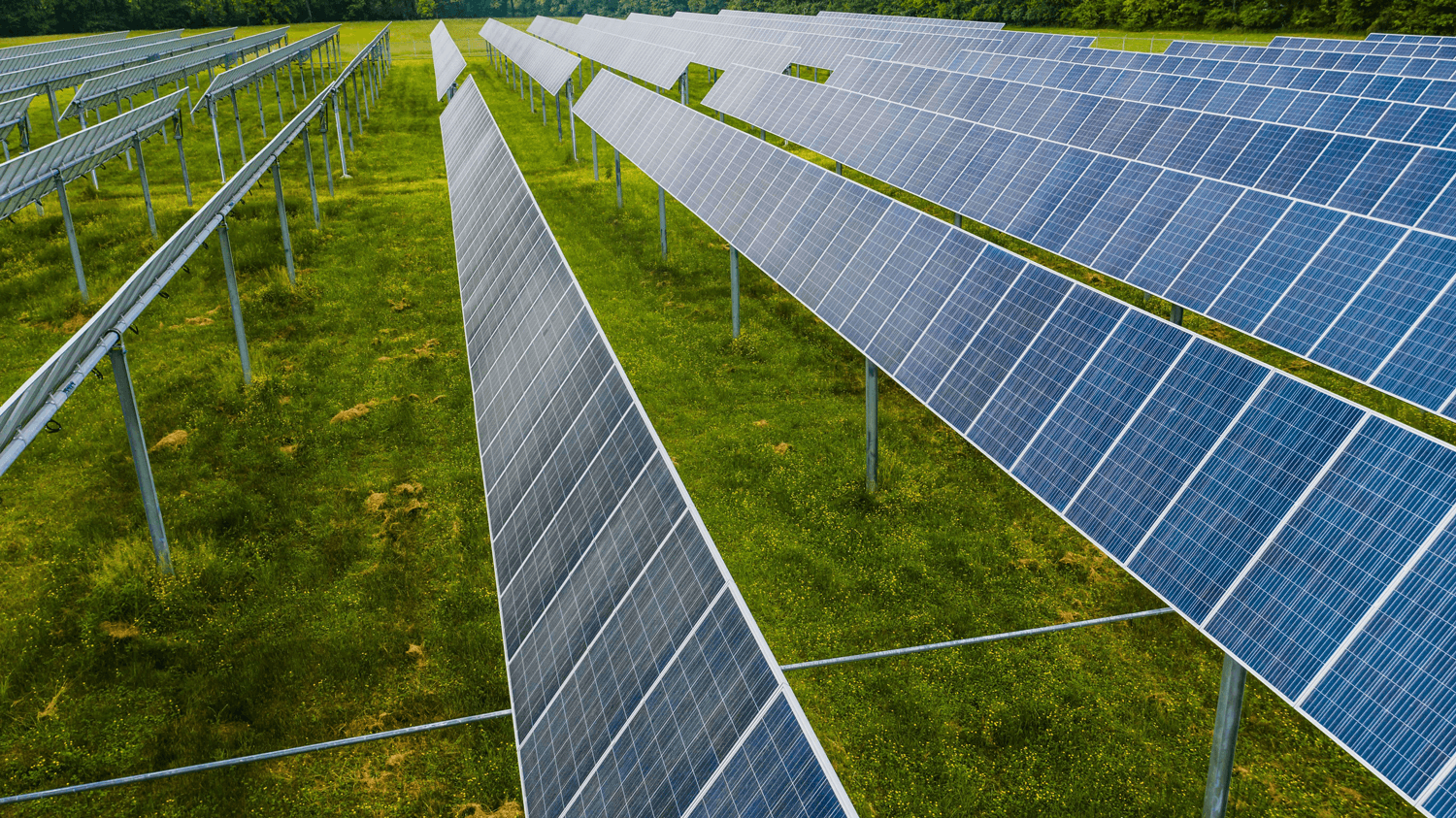
In promoting the low-carbon transition of the energy consumption structure, the plan proposes strictly controlling fossil energy consumption, continuously increasing the proportion of non-fossil energy consumption, and promoting the clean and efficient utilization of coal. It will advance the local consumption of clean energy according to local conditions, explore multi-energy complementarity models involving hydro, solar, hydrogen, and natural gas, and build an industrial layout that matches the new-type energy system. It will promote the large-scale application of distributed PV, encourage the integrated "PV + energy storage" model, and accelerate the construction of industrial green microgrids. Focusing on the demand for electricity, heat, and hydrogen in plateau areas, it will promote the coupled development of renewable energy and hydrogen energy in areas with suitable conditions, and advance on-site hydrogen and oxygen production from hydro and solar power, as well as heat supply and power generation.
Traditional industry transformation: Hydrogen-based direct reduction in steel; green hydrogen substitution in petrochemicals
In accelerating the deep green transformation of traditional industries, the plan proposes promoting raw material and fuel substitution, short-process substitution, product structure optimization, and low-carbon technology integration.
In the steel sector, it encourages tilting steel scrap and green electricity resources toward short-process electric furnace enterprises, and accelerating the industrialisation and application of low-carbon metallurgical technologies such as oxygen-enriched blast furnaces, hydrogen-enriched blast furnaces, carbon recycling, and hydrogen-based direct reduction.
In the petrochemical and chemical sector, it will orderly expand the application proportion of green electricity, green hydrogen, biomass, and other green energy and low-carbon raw materials, implement industrial process transformations such as new-type catalysis, green synthesis, and efficient separation, promote large-scale high-efficiency compressors, advanced gasifiers, new-generation ion membrane electrolyzers, and other technical equipment, and orderly advance the shift from steam-driven to electric-driven operations.
Emerging industry layout: Develop the hydrogen energy industry according to local conditions, forming a closed loop from green hydrogen production to end-use applications
In cultivating and strengthening new green momentum in emerging and future industries, the plan proposes promoting the development of green future industries such as clean low-carbon hydrogen, nuclear fusion energy, microreactor applications, and biomanufacturing. It will develop the hydrogen energy industry according to local conditions, tackle key technologies for clean low-carbon hydrogen production and application, and enhance the R&D and manufacturing capabilities for key technical equipment and products such as water electrolysis, photocatalytic water splitting, by-product hydrogen, and hydrogen fuel cells. It will expand the application of clean low-carbon hydrogen in the industrial sector, forming an industrial closed loop from green hydrogen production to end-use applications.
In strengthening source innovation in key green and low-carbon technologies, the plan proposes focusing on the green and low-carbon development needs of key industries and sectors, and organizing superior innovation entities to implement a number of "open competition" projects around key technologies such as high-efficiency energy conservation, pollution and carbon reduction, and comprehensive resource utilization, as well as hydrogen metallurgy, carbon capture, utilization and storage and other frontier and disruptive technologies. In promoting the pilot-scale maturation of green and low-carbon scientific and technological achievements, it will focus on technologies such as near-zero-carbon electric furnaces, high-efficiency hydrogen production electrolyzers, and carbon dioxide mineralization utilization of industrial solid waste, and support universities, research institutes, and industry leaders in the province to jointly build collaborative innovation pilot-scale platforms.
Green product supply: Orderly develop green products such as hydrogen-powered aircraft
In increasing the supply of green products, the plan proposes exploring the development and application of sustainable aviation fuels such as bio-jet fuel, orderly developing hydrogen-powered aircraft, electric vertical take-off and landing aircraft, light small fixed-wing electric aircraft, drones, and others, and expanding the supply of green products such as green building materials, intelligent terminals, NEVs, green smart home appliances, and green intelligent ships.
The release of this plan has charted the direction for Sichuan Province's industrial green and low-carbon development during the "15th Five-Year Plan" period. As a key green future industry, the hydrogen energy industry will receive sustained policy and technical support, helping Sichuan's industrial sector achieve its carbon peak and carbon neutrality goals.