Entering September, the magnesium market experienced a near roller-coaster ride.
The first and second halves of the month were polar opposites in tone—one hot, one cold; one jubilant, one grim—with market sentiment swinging from euphoria to a deep freeze in just thirty days. Early in the month, a sharp surge in coal prices ignited the market, as cost support combined with speculative capital inflows drove magnesium prices rapidly higher, briefly suggesting a new upward cycle had begun. However, the heavy drag from fundamentals soon emerged, and the rally, lacking support from real demand, proved unsustainable. Magnesium prices then drifted lower all the way, ultimately breaking below the year's low, with 9990 primary magnesium ingot prices falling to 15,650 yuan/mt. The monthly trend was initially strong but later weak, with a stark reversal.
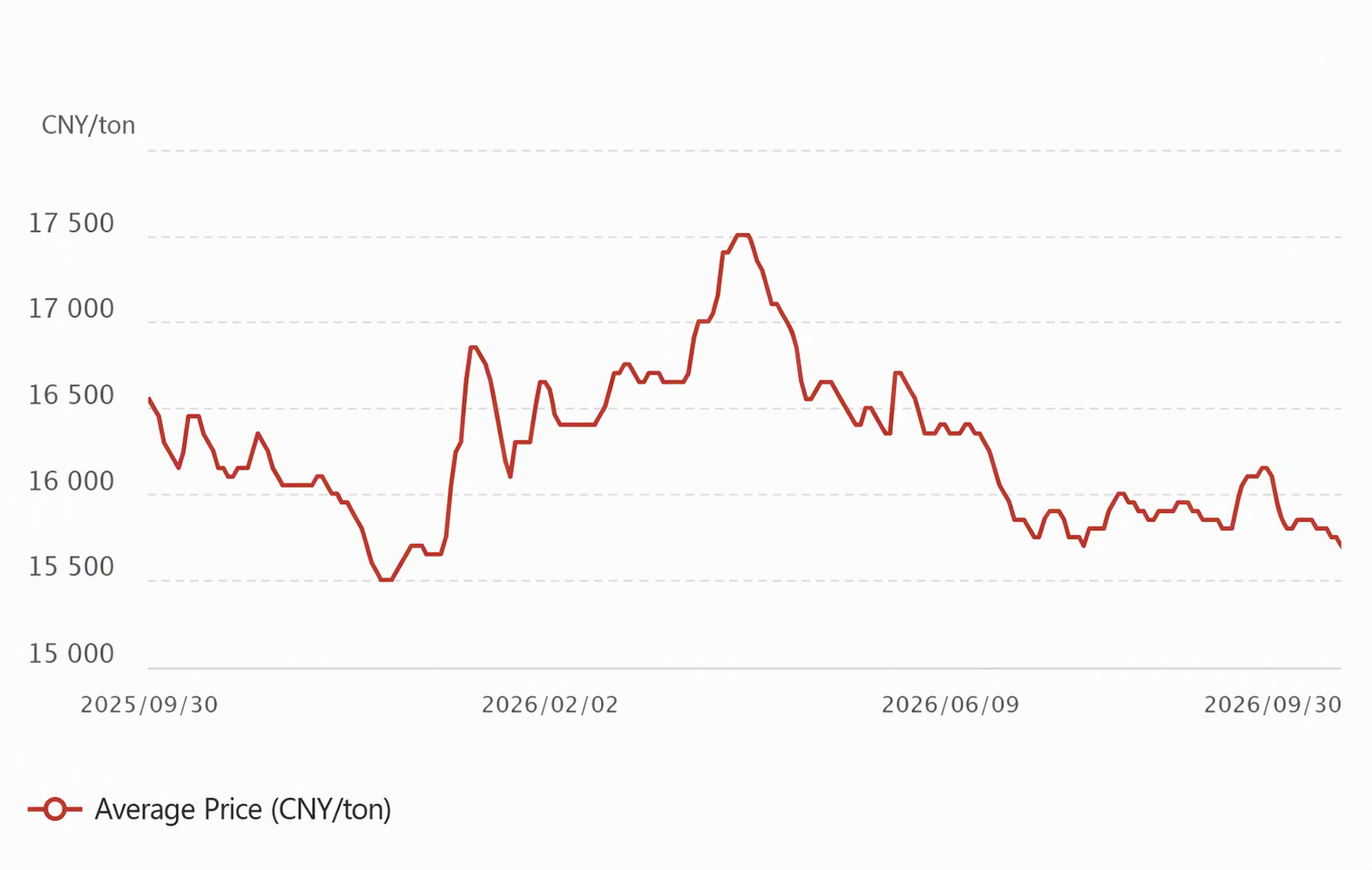
Cutting through the fog of the timeline, the logic behind magnesium plants' stop-start behavior this month was far more complex than the surface narrative of "cost increases → production cuts → cost pullbacks → production resumptions."
Tracing the entire transmission chain: coal prices had already begun an upward cycle in August, but downstream transmission was insufficient, and semi coke price increases lagged severely, causing real-time costs for primary magnesium smelters to surge abruptly. Multiple magnesium plants issued concentrated maintenance and production cut announcements. Yet the loss-making situation quietly reversed, as the coal price surge subsequently ignited overall market sentiment, with semi coke, coal tar, and even magnesium ingot prices rising in turn. Price increases on the auxiliary material side largely offset the pressure from surging raw material costs.
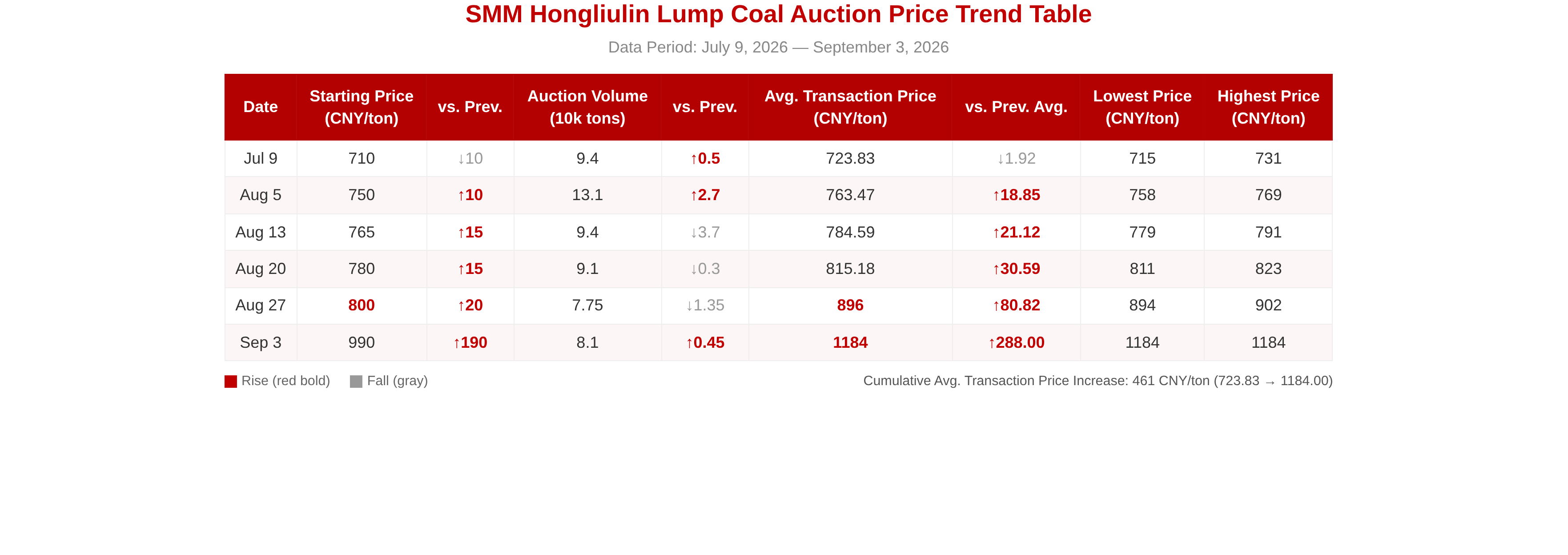
As magnesium prices rose, smelters' real-time costs pulled back rapidly, briefly entering a profit comfort zone. The collective maintenance plans at magnesium plants had a relatively limited impact on overall primary magnesium production and did not effectively reverse the previously supply-strong, demand-weak pattern. But the good times did not last. The supply-demand imbalance, compounded by a weakening cost side later on, sent magnesium prices sharply lower, quickly eroding smelter profits once again. Approaching end-September, the triple pressures of cost, inventory, and capital converged once more, placing magnesium plants at another crossroads of decision.
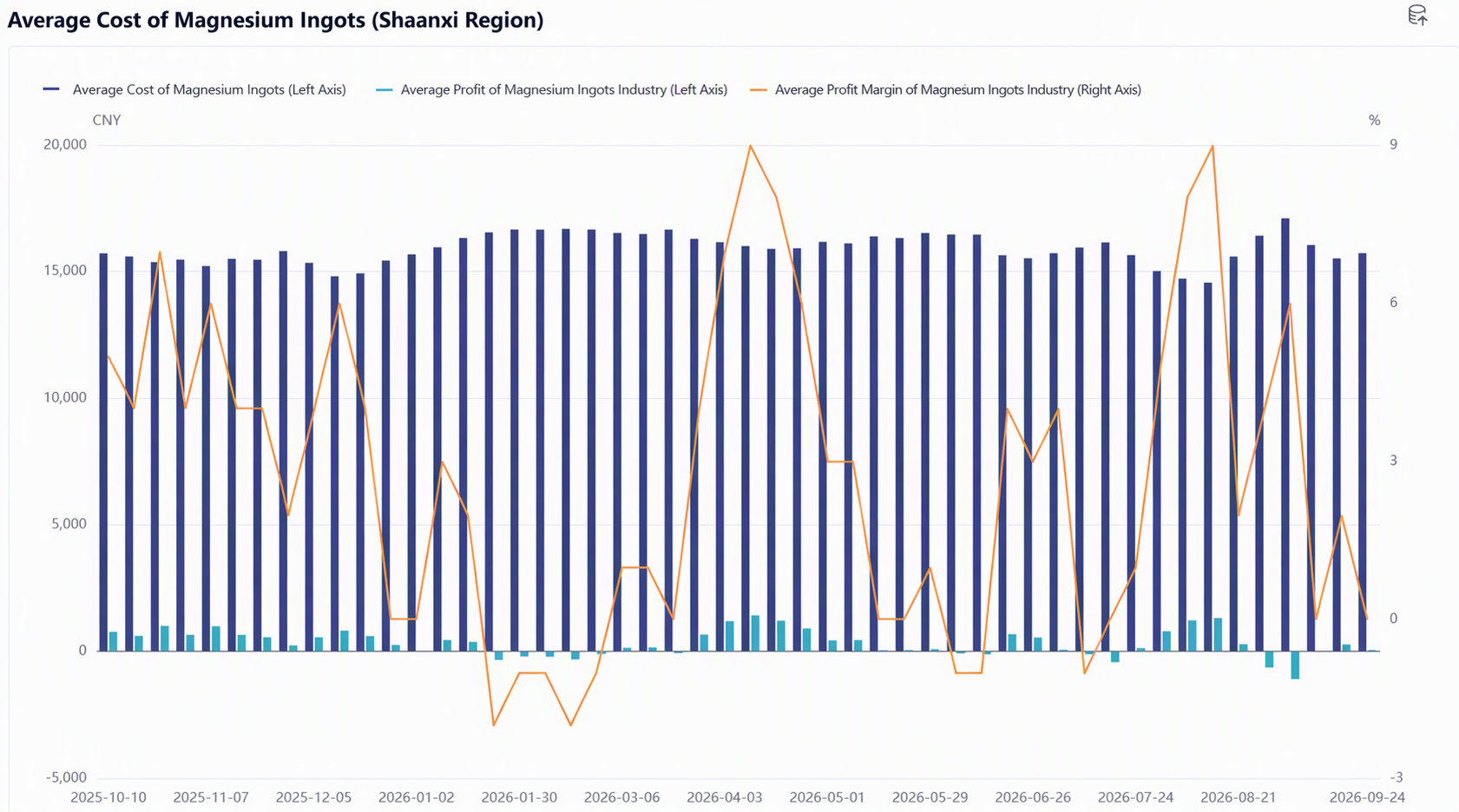
Turning to production data, national primary magnesium output in September was approximately 95,300 mt, down 0.96% MoM, extending the pullback trend. Notably, the maintenance wave triggered by the late-August coal price surge had a relatively limited actual impact on production, as cost losses were short-lived and maintenance windows at magnesium plants were generally brief, failing to create sustained supply contraction. Yet history is repeating itself: approaching end-September, the same predicament once again confronts magnesium plants. According to an SMM survey, multiple primary magnesium smelters in the market have already reported clear production halt plans. If this round of production cuts materializes, the deep supply-demand pattern shift that the market had previously anticipated may officially begin.
![Magnesium Prices Consolidate Near Bottom: Producers Sell at Low Prices to Promote Shipments, Downstream Purchases Cautiously on Rigid Demand [SMM Magnesium Weekly Review]](https://imgqn.smm.cn/usercenter/gKDYO20251217171723.jpeg)
![Resource Exploration and Capacity Expansion Advance in Tandem, Yet European Mine Projects Face Hurdles in Implementation [SMM Survey]](https://imgqn.smm.cn/usercenter/mLwgx20251217171723.jpeg)
![Magnesium ingot demand remains weak, with transaction center edging down [SMM Magnesium Ingot Spot Express]](https://imgqn.smm.cn/usercenter/qbMSp20251217171722.jpeg)