[SMM Operating Rates of Billet Adjusters in September] Limited Room for Margin Improvement, Low Expectations for Production Ramp-up

Published: Sep 30, 2026 10:52 (GMT+8)
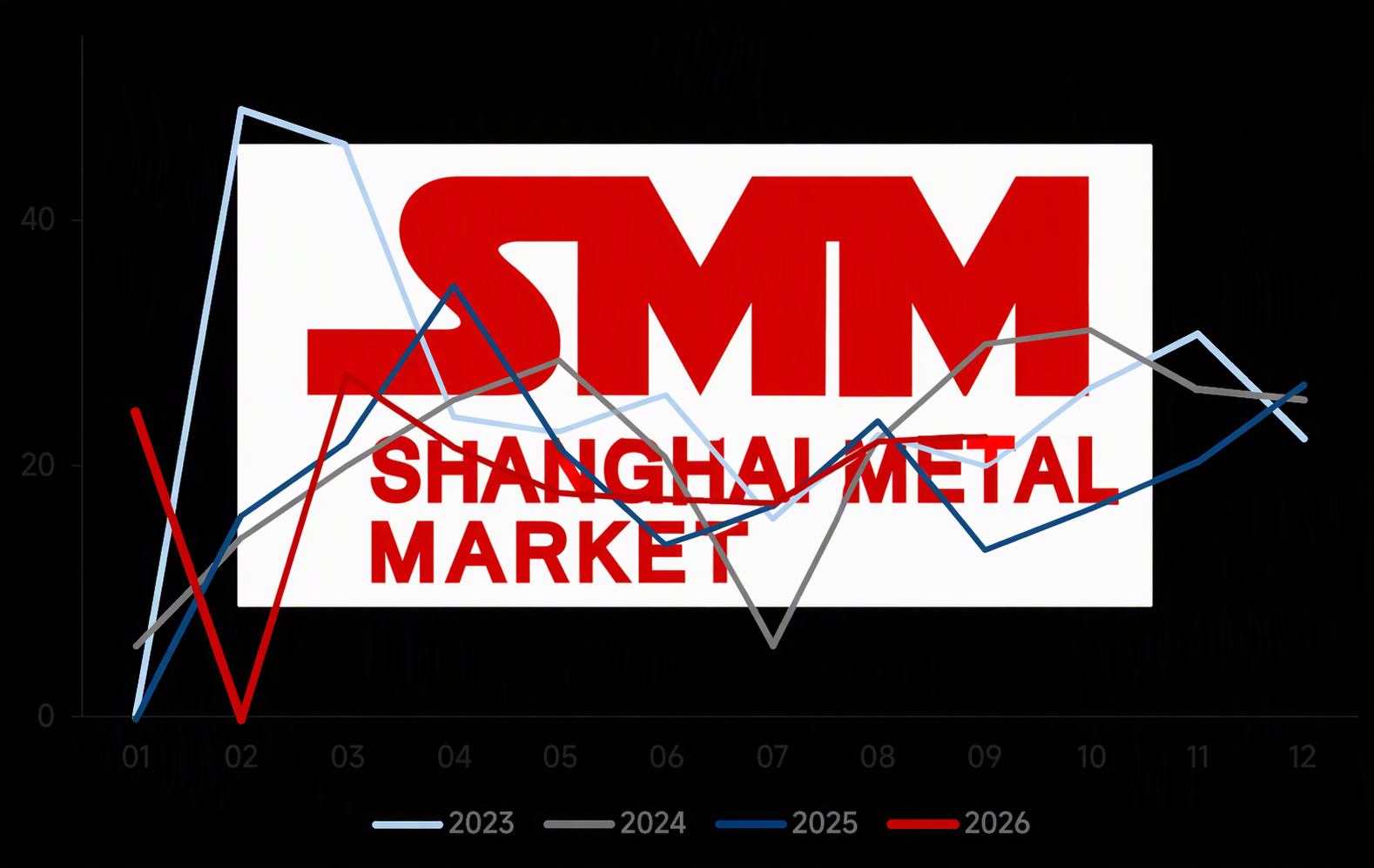
According to an SMM survey, as of September 31, the operating rate of steel mills using externally purchased billets that mainly produce construction steel stood at 22.58%, up 0.37 percentage points MoM and up 9.01 percentage points YoY.

According to an SMM survey, as of September 31, the operating rate of steel mills using externally purchased billets that mainly produce construction steel stood at 22.58%, up 0.37 percentage points MoM and up 9.01 percentage points YoY.

In September, national construction steel prices moved sideways in a narrow range. As of September 29, the national average rebar price was 3,135 yuan/mt, down 19 yuan/mt MoM.

Supply side, raw material prices remained relatively firm in the earlier period, while spot prices lacked upward momentum, causing losses on production at blast furnace steel mills to widen. Some producers further cut production loads or conducted temporary rolling line maintenance, continuously easing production pressure. Meanwhile, EAF steel mills, which were profitable overall in September, showed improved production enthusiasm compared with the earlier period, maintaining operating hours at flat and off-peak electricity levels, with electric furnace operating rates at mid-year levels. For steel mills using externally purchased billets, margins in early September were mostly around the break-even line, and production enthusiasm improved. However, affected by the mid-September price decline, some producers immediately reduced production loads. In addition, after agents concentrated on restocking before the dual holidays, producers worried about weakening demand later, so operating hours were temporarily maintained, and the operating rate of billet-processing mills changed little MoM.

Demand side, demand was released across regions before the National Day holiday. During the long holiday, logistics and transportation were restricted, so some projects still had purchasing needs after the holiday. In addition, favorable weather in south China in October will accelerate construction progress at end-user projects, but north China will gradually enter winter after October, and demand will enter a phase of seasonal contraction. Overall demand performance may be hard-pressed to match September levels.

Looking ahead, with limited room for improvement in production margins at steel mills using externally purchased billets and a cautious outlook on the market, operating rates at billet-processing mills are likely to remain largely unchanged in the short term.

Chart: Operating Rate Trend of Steel Mills Using Externally Purchased Billets, 2023-2026
Source: SMM

Data Source Statement: Except for publicly available information, all other data are processed by SMM based on publicly available information, market communication, and relying on SMM's internal database model. They are for reference only and do not constitute decision-making recommendations.

Images in this article contain AI-translated captions for reference only.

For any inquiries or for more information, please contact: lemonzhao@smm.cn
For more information on how to access our research reports, please contact:service.en@smm.cn
Related News
[National Bureau of Statistics: September manufacturing PMI at 50.1%, up 0.3 percentage points MoM]
1 hour ago
[National Bureau of Statistics: September manufacturing PMI at 50.1%, up 0.3 percentage points MoM]
Read More
[National Bureau of Statistics: September manufacturing PMI at 50.1%, up 0.3 percentage points MoM]
[National Bureau of Statistics: September manufacturing PMI at 50.1%, up 0.3 percentage points MoM]
The National Bureau of Statistics reported that in September, the manufacturing PMI was 50.1%, up 0.3 percentage points from the previous month, moving into expansion territory. By enterprise size, the PMI for large enterprises was 50.6%, unchanged from the previous month and above the threshold; the PMIs for medium-sized and small enterprises were 49.7% and 48.9%, respectively, up 0.3 and 1.0 percentage points from the previous month, both below the threshold. Among the five sub-indices that make up the manufacturing PMI, the production index, new orders index, and supplier delivery time index were all above the threshold, while the raw material inventory index and employment index were below the threshold. In September, the composite PMI output index was 50.7%, up 1.2 percentage points from the previous month, rising above the threshold, indicating that overall production and business activities of enterprises in China expanded from the previous month. The manufacturing production index and non-manufacturing business activity index, which make up the composite PMI output index, were 51.7% and 50.2%, respectively.
1 hour ago
"250 Billion Yuan in Special Bonds Fully Allocated for 2026 Consumer Goods Trade-Ins"
1 hour ago
"250 Billion Yuan in Special Bonds Fully Allocated for 2026 Consumer Goods Trade-Ins"
Read More
"250 Billion Yuan in Special Bonds Fully Allocated for 2026 Consumer Goods Trade-Ins"
Recently, the National Development and Reform Commission (NDRC), together with the Ministry of Finance, allocated the fourth batch of 62.5 billion yuan in ultra-long-term special government bonds for this year to local governments to support consumer goods trade-ins. With this, the full-year allocation of 250 billion yuan for consumer goods trade-ins has been completed. Going forward, relevant departments will continue to guide local governments in properly managing the pace of work, optimizing fund utilization plans, handling subsidy review and disbursement in a standardized and efficient manner, and cracking down on illegal activities such as fraudulent subsidy claims and misappropriation, so as to effectively leverage the impact of the consumer goods trade-in policy.
1 hour ago
[Thyssenkrupp Steel cuts 4,000 jobs, targets 8.7-9 million tonnes of shipments]
2 hours ago
[Thyssenkrupp Steel cuts 4,000 jobs, targets 8.7-9 million tonnes of shipments]
Read More
[Thyssenkrupp Steel cuts 4,000 jobs, targets 8.7-9 million tonnes of shipments]
[Thyssenkrupp Steel cuts 4,000 jobs, targets 8.7-9 million tonnes of shipments]
Thyssenkrupp Steel updated its restructuring at its Capital Markets Day on 28 September. Under a deal with the IG Metall union, about 11,000 positions will be cut or outsourced; the 4,000 reductions already made are not all direct job losses. Capacity of 11.5 million tonnes a year is being aligned to shipments of 8.7-9 million tonnes, and the separation from Hüttenwerke Krupp Mannesmann (HKM) closed in summer 2026. Restructuring and cost savings should add over 800 million EUR (860 million USD) to adjusted EBITDA, with medium-term targets of 1.2 billion EUR (1.3 billion USD), an 11% margin and positive free cash flow. The firm now prioritises product value over volume, with two-thirds of its portfolio in premium grades, and is building a direct reduction plant in Duisburg. Trade measures since July 2026 cover over 80% of the European flat steel market.
2 hours ago
Register to Continue Reading
Gain access to the latest insights in metals and new energy
Already have an account?Sign in here