India now gives shipowners a "credit note" when they scrap an old ship at an approved Indian yard. The credit is worth 40% of the ship's scrap value, but it can only be used to help pay for a new ship built in India. The benefit goes to the shipowner, not directly to the recycler. It may bring more ships to India, but it does not by itself raise the price recyclers pay. What recyclers can pay depends on what they earn from selling the recovered steel, so domestic steel prices matter most.
I. Steel is the real product
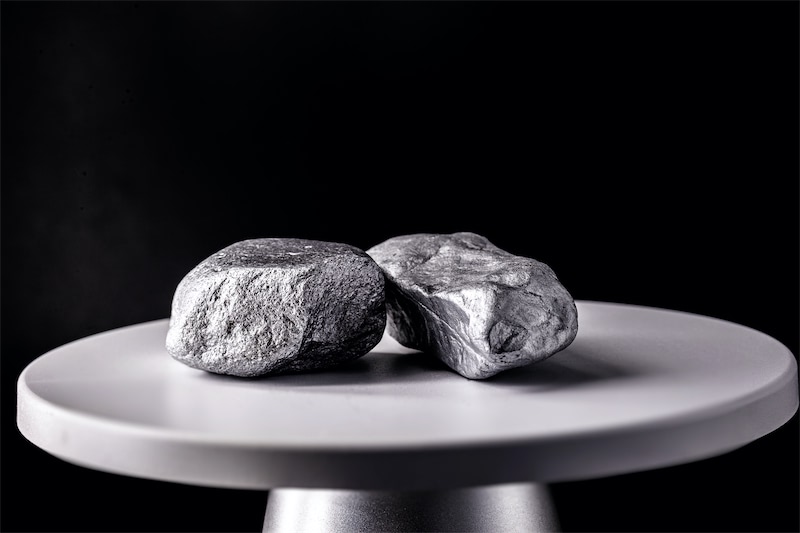
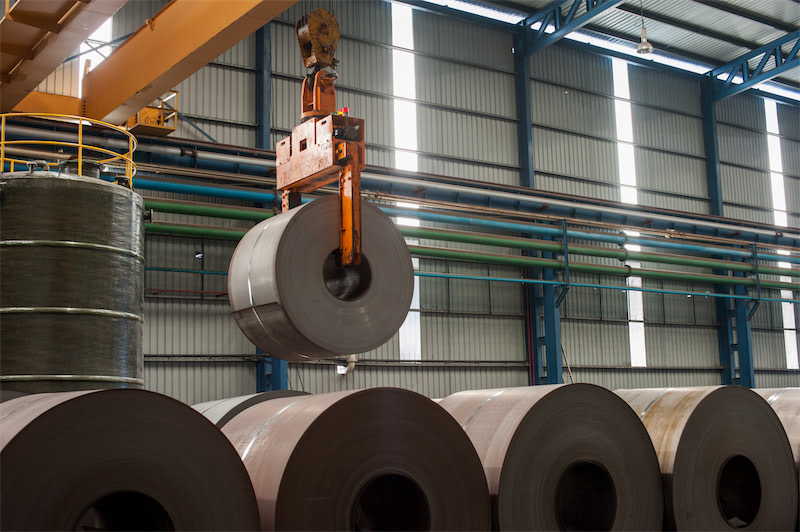
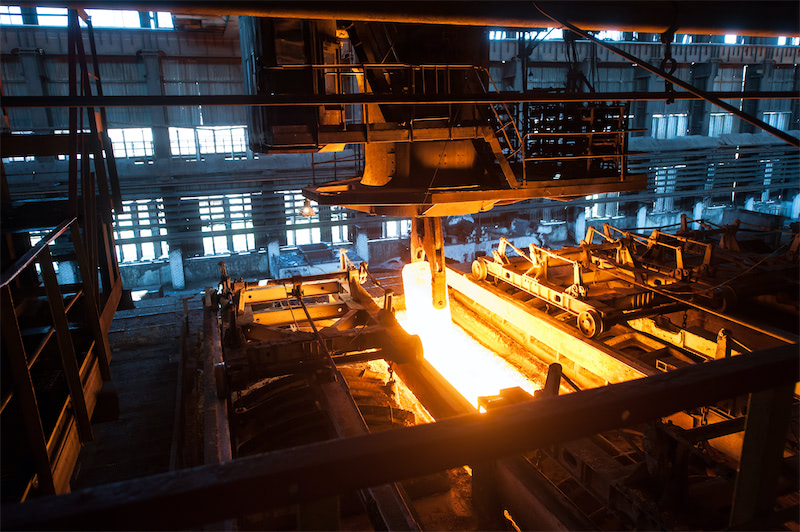
When a ship is too old to sail, the owner sells it to a recycling yard, such as the ones at Alang in Gujarat. The yard cuts the ship apart and sells the steel plates and scrap. So a ship is bought mainly for its steel. Yards price ships per LDT (light displacement tonnage), which is the weight of the empty ship and roughly the amount of material that can be recovered.
II. How the credit note works
India launched the Shipbreaking Credit Note (SbCN) on 18 June 2026 to link ship recycling with shipbuilding in a way that did not exist before. When a shipowner sends an old vessel to an approved Indian yard, the owner receives a credit worth 40% of the ship's fair scrap value. The credit is not cash. It works like a voucher that can be used only to help pay for a new ship built at an Indian shipyard.
The benefit comes with clear limits. The amount that can be used against a new ship is capped at 5% of that ship's fair price, and the note stays valid for three years. If the owner does not plan to build, the note can be passed to another eligible buyer. To qualify, the ship must be scrapped in India at a yard that follows the Hong Kong Convention, the international safety and environmental standard in force since 26 June 2025. Its recycling permission must also have been granted on or after 24 September 2025. Indian-flagged and foreign-flagged ships are both eligible. The credit is issued only after the ship is fully dismantled, so the owner receives it at the end of the process, not at the start.
III. Where the credit note fits
The INR 4,001 crore set aside for the Ship-breaking Credit Note is part of the INR 24,736 crore Shipbuilding Financial Assistance Scheme (SBFAS). SBFAS itself is one of three components in a INR 69,725 crore maritime package approved by the Union Cabinet, alongside a INR 25,000 crore Maritime Development Fund and a INR 19,989 crore Shipbuilding Development Scheme. This shows that the credit note is a relatively small, targeted piece of a much larger government push for the maritime sector not the main driver of it. How much it actually achieves will depend on how many shipowners use it and whether that leads to steady new ship orders at Indian yards, not on its size alone.
IV. India is already the world leader
India recycled 2.99 million gross tons (GT) of ships in 2025, up nearly 60% from 1.86 million GT in 2024. Its share of global ship recycling also increased to 35.4% in 2025 from 30.1% in 2024, according to UNCTAD data cited by India's Ministry of Ports, Shipping and Waterways.
The Alang-Sosiya ship recycling yard handles about 98% of India's ship recycling activity. The yard currently has a recycling capacity of 4.5 million LDT (light displacement tonnage) annually, and the government has prepared a master plan to expand this to 9 million LDT per year in phases.
V. Who benefits: the shipowner or the recycler?
The credit note mainly benefits the shipowner, rather than giving additional cash directly to the recycler. Under the scheme, a shipowner recycling a vessel at an HKC-compliant Indian yard receives a credit note equal to 40% of the vessel's scrap value. This credit can be used for up to 5% of the value of a new ship built at an Indian shipyard. The incentive could make Indian yards more attractive to shipowners when they compare recycling options across India, Bangladesh, Pakistan and Türkiye.
For recyclers, the main benefit is the potential for more vessels to come to Indian yards, rather than a direct payment under the scheme. At the same time, yards have had to invest in upgrading their facilities to meet Hong Kong Convention requirements, and over 100 operational ship recycling yards at Alang are currently reported as HKC-compliant.
35 ship recycling yards at Alang, Gujarat, have applied for EU green-listing, and the EU side has initiated the inspection process of Indian yards. Shree Ram Vessel Scrap and Y. S. Investments have been included in the draft of the 16th European List of Ship Recycling Facilities and The EU is expected to publish its updated list in October.
VI. Why steel prices still matter for ship recycling
A recycler's bid for a vessel depends mainly on the value it can recover from the ship's steel and other materials, compared with the vessel purchase price and recycling costs. When steel and scrap prices are higher, recyclers have more room to bid for vessels. When prices weaken, their bidding capacity can also come under pressure.
The Alang ship recycling credit note does not directly change this calculation because it does not provide immediate cash recovery from the recycling transaction. Its value can be realised only when a qualifying newbuilding order is placed and the credit note is used within its three-year validity period. Therefore, recyclers cannot treat the credit note's full face value as immediate income when deciding how much to bid for a vessel. In the near term, actual steel and scrap prices will continue to be important for vessel purchase prices and recycling margins.
Recent price moves back this up. Alang's melting scrap and 8Ani (12MM) plate prices ex-yard, climbed steadily from late August and peaked around mid-September, with melting scrap at 404 USD/tonne (38,700 INR/tonne) and 8Ani (12mm) at 444 USD/tonne (42,500 INR/tonne). Since then, both have eased slightly, with melting scrap at 396 USD/tonne (37,900 INR/tonne) and plate at 436 USD/tonne (41,700 INR/tonne) as of September 21. This pullback is a small but real example of how quickly recyclers' income from recovered steel can shift, and why their bidding for ships stays tied to these day-to-day price moves rather than to the credit note.
VII. Market comment
A trader from GMS said the ship recycling credit note is unlikely to influence either the vessel purchase price or the recycling margin, since its value can be realised only if a qualifying newbuilding order is placed. Until then, it remains effectively just a piece of paper. The credit note does not represent an immediate cash recovery from the recycling transaction — its value depends on a future newbuilding order and is subject to a three-year validity period. For this reason it cannot be counted at face value as part of a vessel's immediate recycling economics.
VIII. Outlook
The credit note may support Indian ship recycling volumes gradually rather than immediately. Credits are issued only after a vessel is fully dismantled and can be used only against a future newbuilding order at an Indian yard, making it a long-term incentive for shipowners. It does not directly change what recyclers can pay for a vessel. In the near term, bidding and margins at Alang will continue to depend mainly on domestic steel and scrap prices. If prices stay firm, recyclers should retain room to bid, while weaker prices could put pressure on margins even with the scheme in place. The EU's updated ship recycling list and Alang's planned capacity expansion could also influence vessel flows to India.
The Bottom Line
The Ship Recycling Credit Note is a new policy measure that connects ship recycling with shipbuilding. The benefit goes to shipowners and is capped at 5% of the price of a new ship. It can only be used for a future newbuilding order in India. This makes it more of a long-term incentive than an immediate benefit for Alang recyclers. Recyclers' profits will still depend mainly on steel and scrap prices. If prices remain firm, ship bidding could stay strong, while the credit note could make India more attractive as a ship recycling destination without directly changing daily recycling economics.
Note: Prices and volumes referenced are indicative and move daily; this is not investment or trading advice. USD conversions use the reference rate of INR 95.71/USD (23 September 2026); actual rates vary daily.