SMM September 24:
With the Mid-Autumn Festival and National Day holidays approaching, SMM recently conducted a survey on holiday schedules and production arrangements among downstream zinc enterprises. The survey covered 88 companies across four sectors—galvanizing, galvanized sheet, die-cast zinc alloy, and zinc oxide—with a combined annual production capacity of approximately 43.82 million mt. This year, some downstream zinc companies are planning longer holiday breaks than last year, mainly due to weak pre-holiday orders, squeezed production margins, and companies' efforts to control production schedules. Details by sector are as follows:
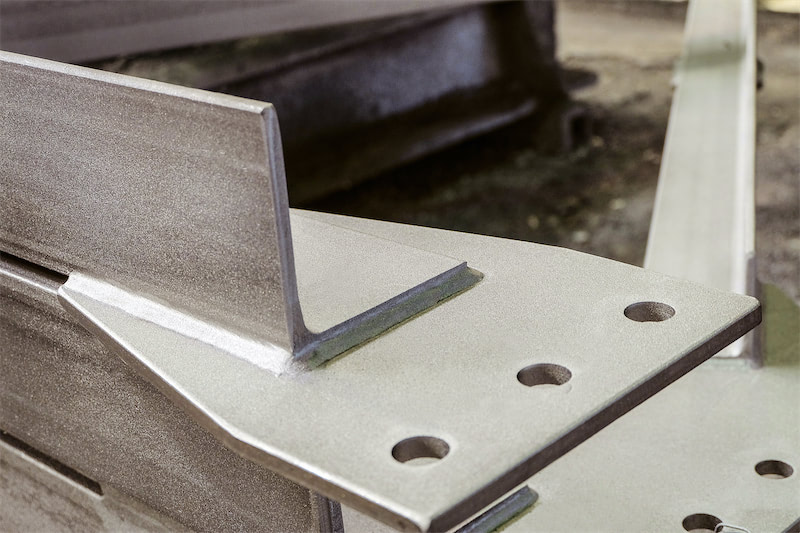
Galvanizing: Galvanizing companies are expected to take an average of 3.61 days off during the two holidays, up 0.46 days from last year. This is mainly because pre-holiday orders and shipments have been weaker than last year, while stocking demand for galvanized pipes has fallen short of expectations. Some companies are also holding relatively high finished-goods inventories and therefore plan to suspend production during the holidays to ease inventory pressure. Meanwhile, construction activity and transportation are expected to be affected to some extent during the holidays, further weighing on companies' production willingness.
Galvanized Sheet: Most galvanized sheet producers are expected to maintain normal operations during the holidays, while some companies have arranged maintenance shutdowns, with the overall holiday shutdown situation increasing slightly from previous years. This is mainly because pre-holiday orders have remained average, putting pressure on production schedules and profit margins. Some companies will use the holiday period for maintenance and production cuts, particularly private producers facing limited order improvements and insufficient profit margins, prompting them to adjust their holiday arrangements.
Die-cast Zinc Alloy: Die-cast zinc alloy companies are expected to take an average of 4.6 days off, up 0.2 days from last year. This is mainly due to high zinc prices, weak end-user consumption and insufficient new orders, which have weakened pre-holiday stocking demand. Some companies have therefore extended their holiday breaks or arranged production-line maintenance. Some producers are also proactively reducing production amid insufficient orders to lower high-cost raw material procurement and inventory pressure.
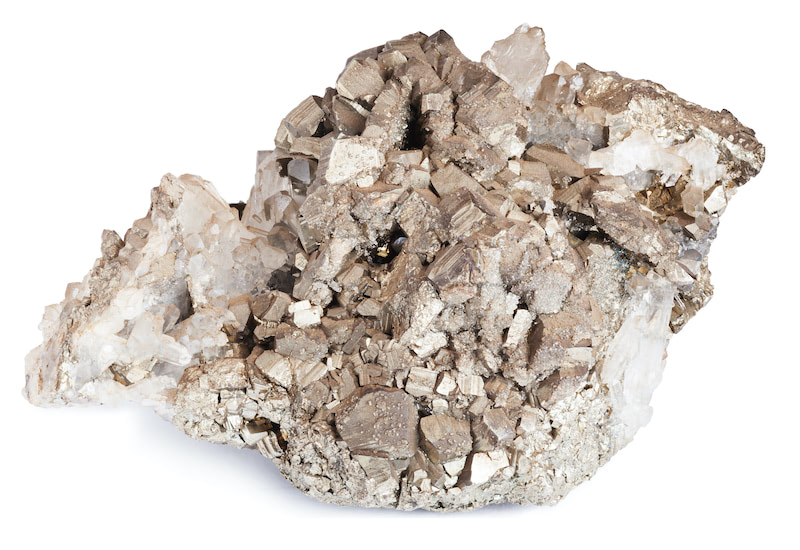
Zinc Oxide: Zinc oxide companies are expected to take slightly longer holidays than in 2025. Orders from the tire and ceramics sectors remain weaker than last year, prompting some companies to arrange holidays or maintenance. Demand for electronic-grade zinc oxide remains relatively stable, while feed-grade zinc oxide demand has recovered. In addition, due to the characteristics of the production process and the relatively high costs associated with stopping and restarting production, most companies are expected to maintain normal operations, meaning the overall impact of the holidays should remain limited.
From the pre-holiday market performance, the traditional "Golden September" peak season has not shown strong characteristics this year, with overall order improvements limited and production schedules still constrained by weak end-user demand. In terms of end-user demand, traditional galvanizing demand from infrastructure and transmission towers has yet to show significant growth, while orders related to manufacturing have also remained weak and some export orders have come under pressure. Meanwhile, downstream consumption in home appliances, automobiles and other sectors related to die-cast zinc alloy has also lacked significant momentum.
Looking ahead to the post-holiday period, as the fourth quarter approaches, infrastructure projects, construction activity and manufacturing orders may see some seasonal improvement. If the progress of end-user projects accelerates, the previously weak demand could see some recovery. Overall, downstream zinc consumption still has room for seasonal improvement, but no clear turning point has emerged in end-user orders so far. In the short term, consumption is unlikely to see a significant increase and is more likely to show a mild, phased recovery. Further improvement in consumption will depend on the actual release of demand from infrastructure, manufacturing and exports in the fourth quarter.