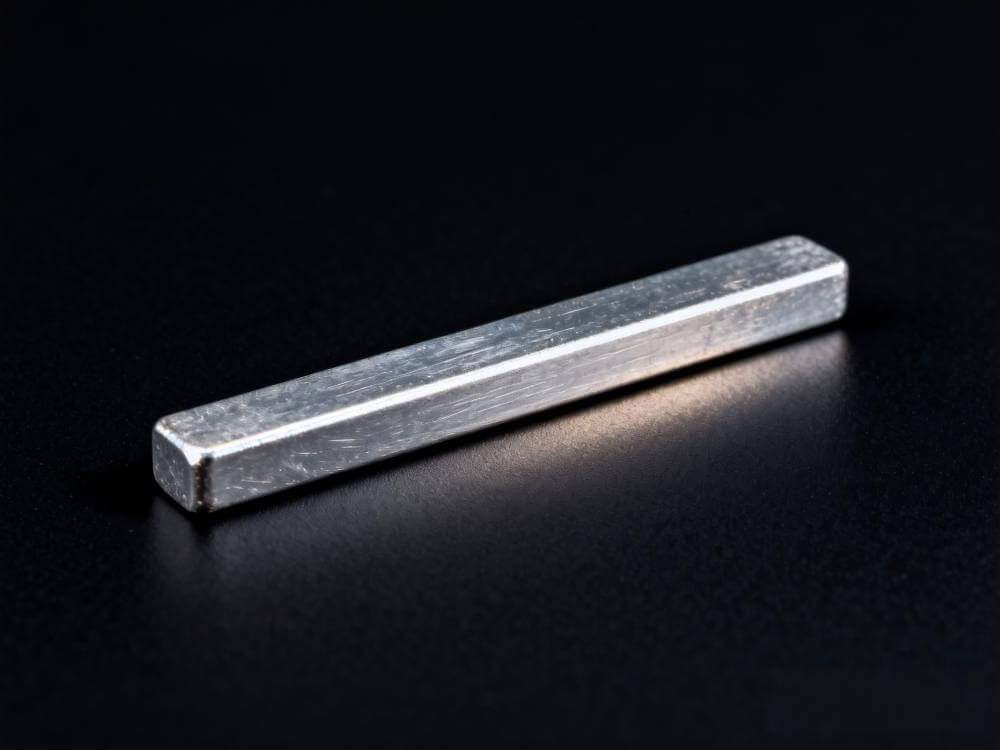
Entering August, the magnesium market seemed to fall into a prolonged stalemate.
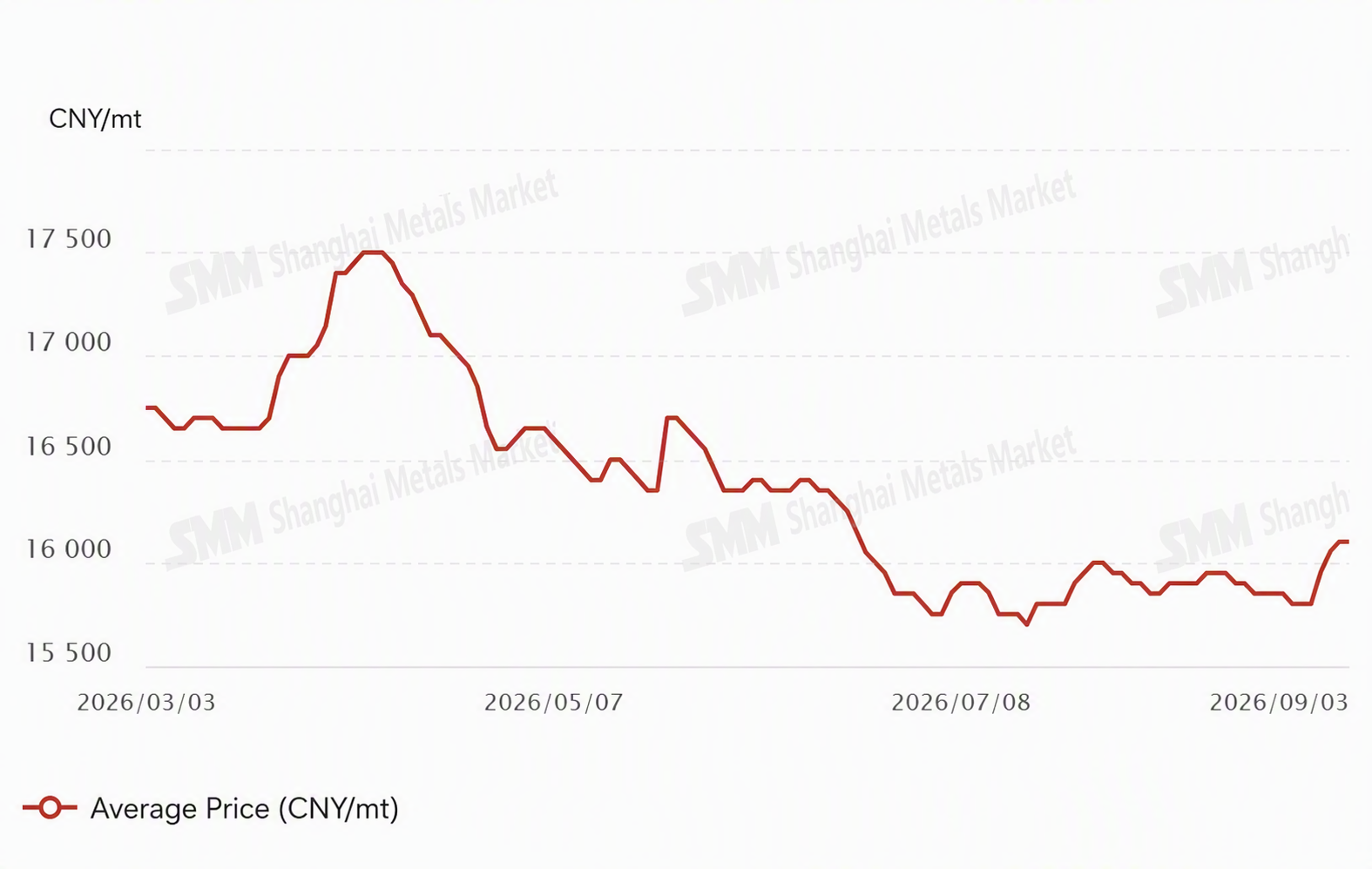
The production cut dividend from July faded, primary magnesium supply steadily recovered, while overseas summer breaks combined with China's domestic die-casting off-season left downstream orders sparse and purchasing sentiment at a freezing point. With both supply and demand weak, magnesium prices were locked firmly within a narrow range of 15,800-15,950 yuan/mt, with little room to move either up or down. In mid-to-late August, prices even dipped to 15,750 yuan/mt at one point, with the market broadly taking a wait-and-see stance. Whether this bottom-level consolidation, already lasting two months, would see a turnaround remained unknown.
Then, a turning point quietly arrived. Coal prices climbed steadily, with semi coke and ferrosilicon rising in tandem, rapidly pushing up primary magnesium smelting costs. Facing the red line of profitability, magnesium smelters collectively held prices firm and raised them. Within just a few days, magnesium prices broke through the 15,900 yuan/mt and 16,000 yuan/mt levels in succession, surging above 16,100 yuan/mt. This upward wave not only reversed the downtrend since August but also brought an end to the two-month-long bottom-level consolidation from July to August. The previous consolidation pattern was broken, and the magnesium market officially entered a new price operating range.
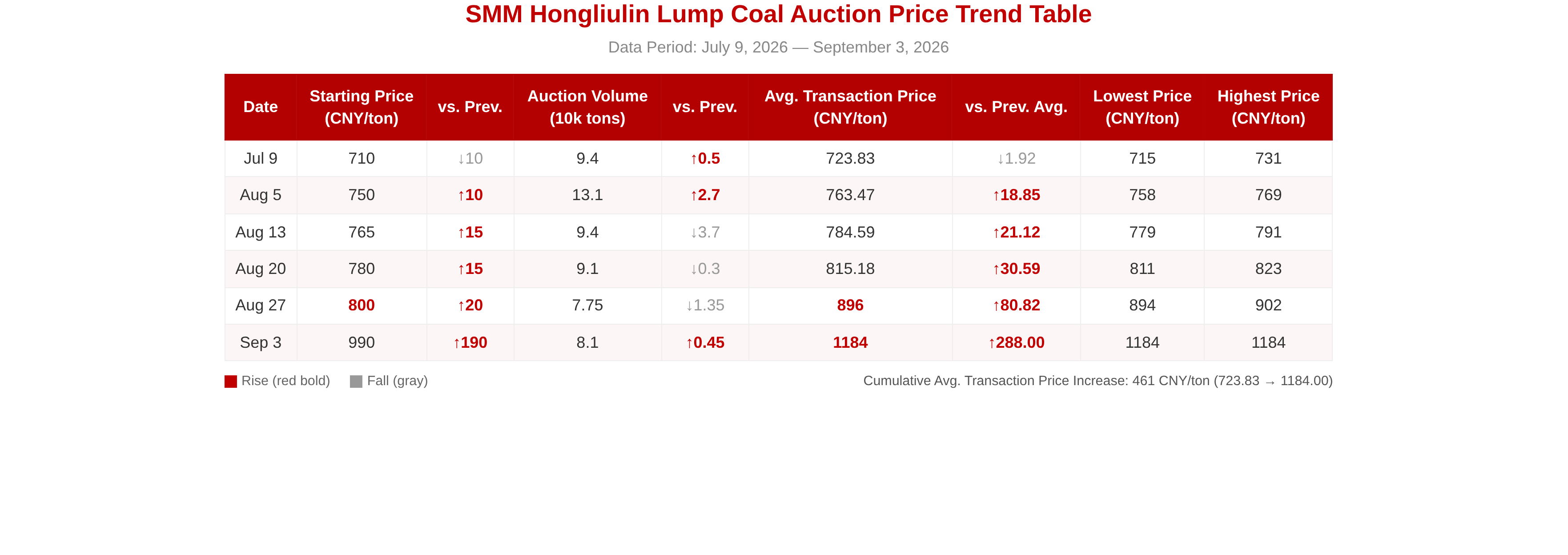
The steady climb in coal prices is rapidly transmitting along the industry chain to the primary magnesium smelting end. The average transaction price of Hongliulin lump coal rose all the way from 723 yuan/mt to 1,184 yuan/mt, a cumulative increase of 461 yuan/mt. As coal prices rose, semi coke prices followed higher. Although this could offset part of the energy cost pressure, driven by the coal uptrend, ferrosilicon prices also rose in tandem, with the average price of 75# ferrosilicon climbing from 5,950 yuan/mt to 6,150 yuan/mt, an increase of 200 yuan/mt. Under the dual push of higher energy costs and auxiliary material costs such as ferrosilicon, smelting costs for primary magnesium enterprises rose substantially, and operating pressure increased significantly. Within one week after the news of the sharp coal price increase broke, a total of 7 primary magnesium smelters have been affected or plan to cut production, and the impact is expected to persist.
In August, China's primary magnesium production rose 3.28% MoM, showing a clear upward trend overall. The main reason was that Shaanxi primary magnesium smelters resumed production in a concentrated manner after maintenance in July. Although additional smelters in other provinces such as Xinjiang underwent maintenance, the overall increase outweighed the decrease, driving national primary magnesium production higher. By province, Shaanxi's primary magnesium production increased by more than 7,000 mt, but the national production increase was only about 3,000 mt, mainly because maintenance-related production cuts at smelters in Xinjiang and other provinces offset most of the increase.
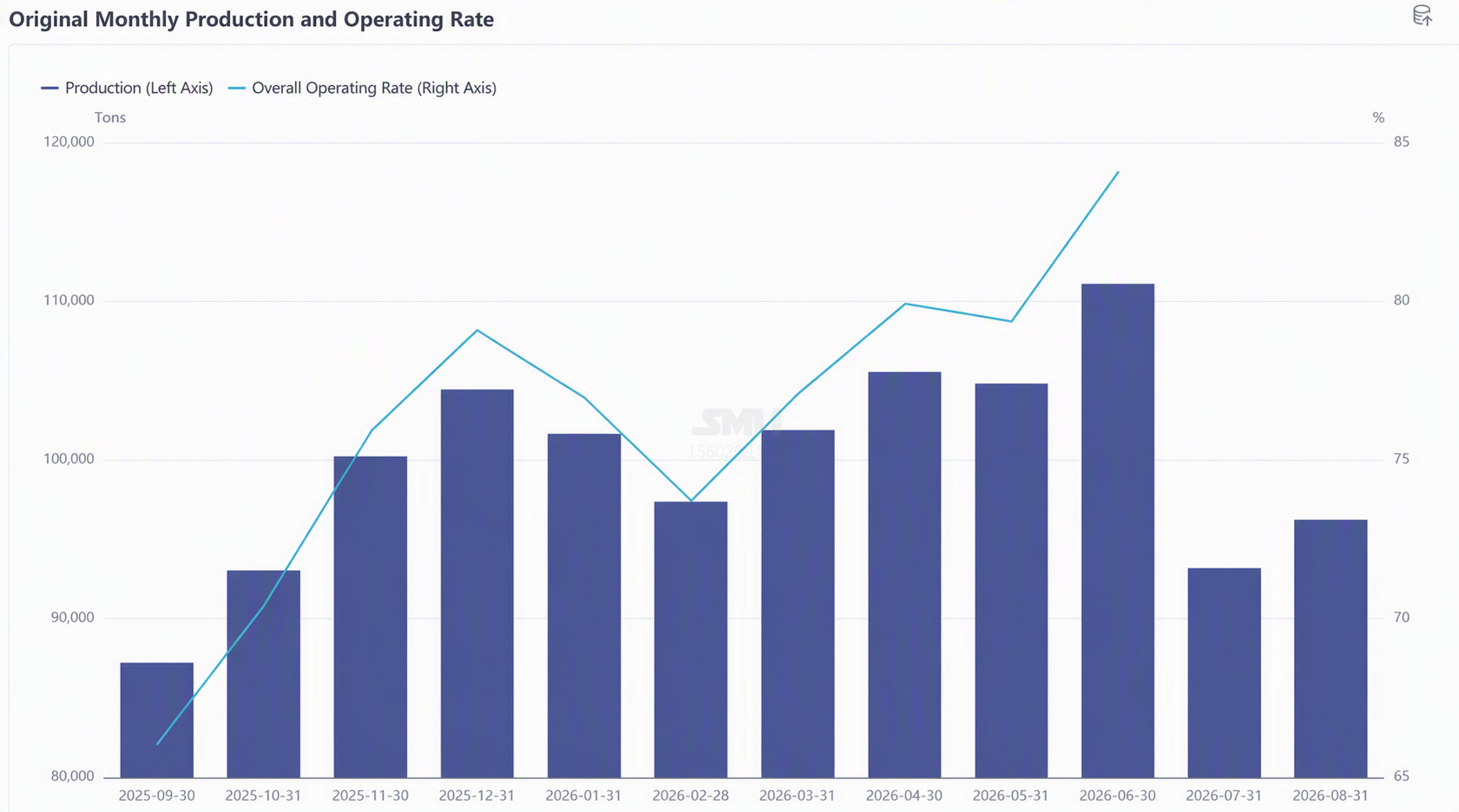
Affected by rising raw material coal and ferrosilicon prices, the number of primary magnesium smelters undergoing maintenance in September increased. It is understood that a total of 11 primary magnesium smelters saw their production affected in September. September primary magnesium production is expected to rise 2.81% MoM from August, an increase of more than 2,000 mt from the previous month.
Overall, while this round of coal price increases has pushed up primary magnesium quotes, it has not translated into profit margins for smelters. Under the supply-demand pattern of strong supply and weak demand, magnesium prices face heavy resistance on the upside, and enterprises find it difficult to fully cover cost increases through price hikes, with loss pressure instead intensifying. Rising coal prices are becoming an accelerator for resetting the supply-demand pattern of magnesium metal. With survival pressure mounting sharply, some primary magnesium smelters may cut production or even halt operations in the near term, and the magnesium market is expected to enter a destocking phase accordingly. However, it should be noted that current in-factory inventory and social inventory are conservatively estimated to remain above 120,000 mt, and destocking will still take time. Only when inventory is digested to a reasonable range can the magnesium market truly usher in the next wave of upward price movement.
![Cost-Driven Magnesium Prices Shot Up, Weak Demand Makes Rally Unsustainable [SMM Magnesium Weekly Review]](https://imgqn.smm.cn/usercenter/rUQIB20251217171723.jpeg)
![Cost Support Unable to Offset Weak Demand; Magnesium Ingot Market Turns Weak Under Pressure [SMM Magnesium Ingot Spot Report]](https://imgqn.smm.cn/usercenter/XUnxM20251217171723.jpeg)