1. Supply Tightened on Both Ends, Coal Prices Hit a New Stage High
1. Temporary Suspension and Production Cuts at Lvliang Mines
In early August, continuous rainfall in Lvliang, Lvliang caused a substation line failure, leading to the temporary suspension of seven coal mines with a combined capacity of 10.35 million mt for about four days. By August 8, apart from one mine that had resumed production earlier, the remaining six gradually resumed operations, adding about 30,000 mt of raw coal per day. This suspension was a short-term disruption caused by a power failure, not a long-term capacity withdrawal resulting from normalized safety regulation, so its actual impact on coking coal supply was limited.
Currently, overall coking coal supply in Shanxi remains tight—as of September 2, there were still 46 suspended coking coal mines in Shanxi, involving 49.3 million mt of capacity, but this was down by 73 mines from the peak in May, indicating marginal recovery. The pace of production resumptions in Lvliang and whether "resumed production reaches full volumes" remain key variables for coking coal supply.
2. Weak Supplement from Mongolian Coal Imports at Ganqimaodu Port
The Ganqimaodu port is the main channel for Mongolian coal imports. Starting August 14, due to tight diesel supply in Mongolia—Mongolia's diesel largely depends on imports from Russia, and Russia's diesel export ban extends to month-end September—transport capacity for short-haul haulage in mining areas was insufficient, and port clearance truck counts nearly halved. As of early September, they remained at a low level of around 600–700 trucks per day. The reduction in imported Mongolian coal, combined with contracted supply from production areas, is the main driver of the phased tightness in China's coal market.
2. Coal Price Increases Pass Through to Crude Calcium, Energy Costs Become a Core Variable
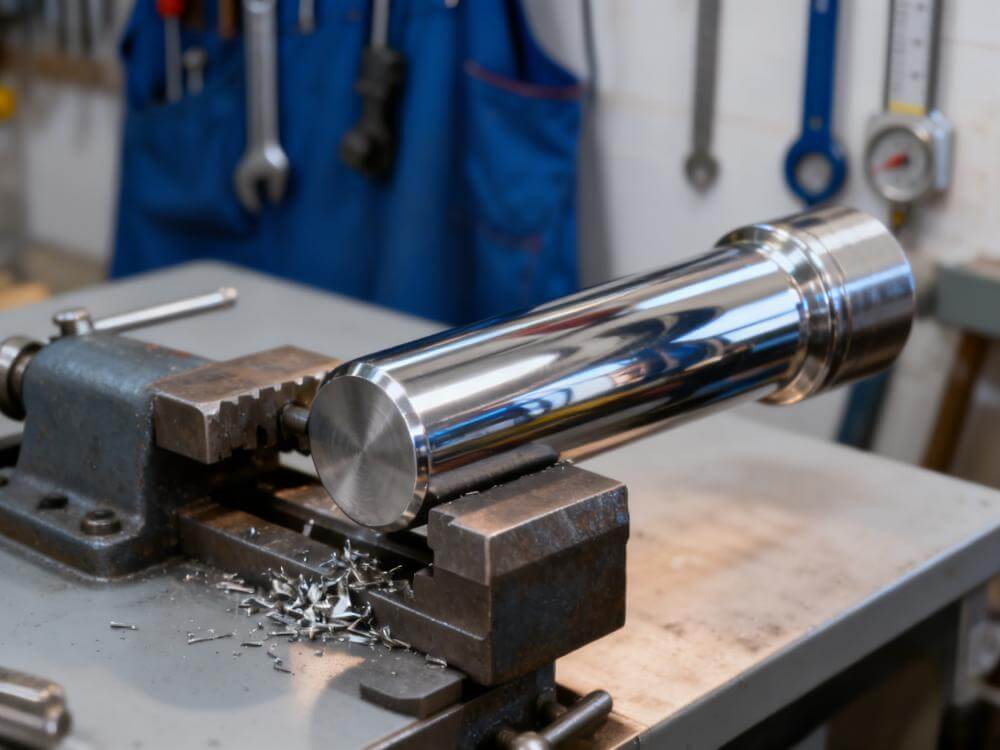
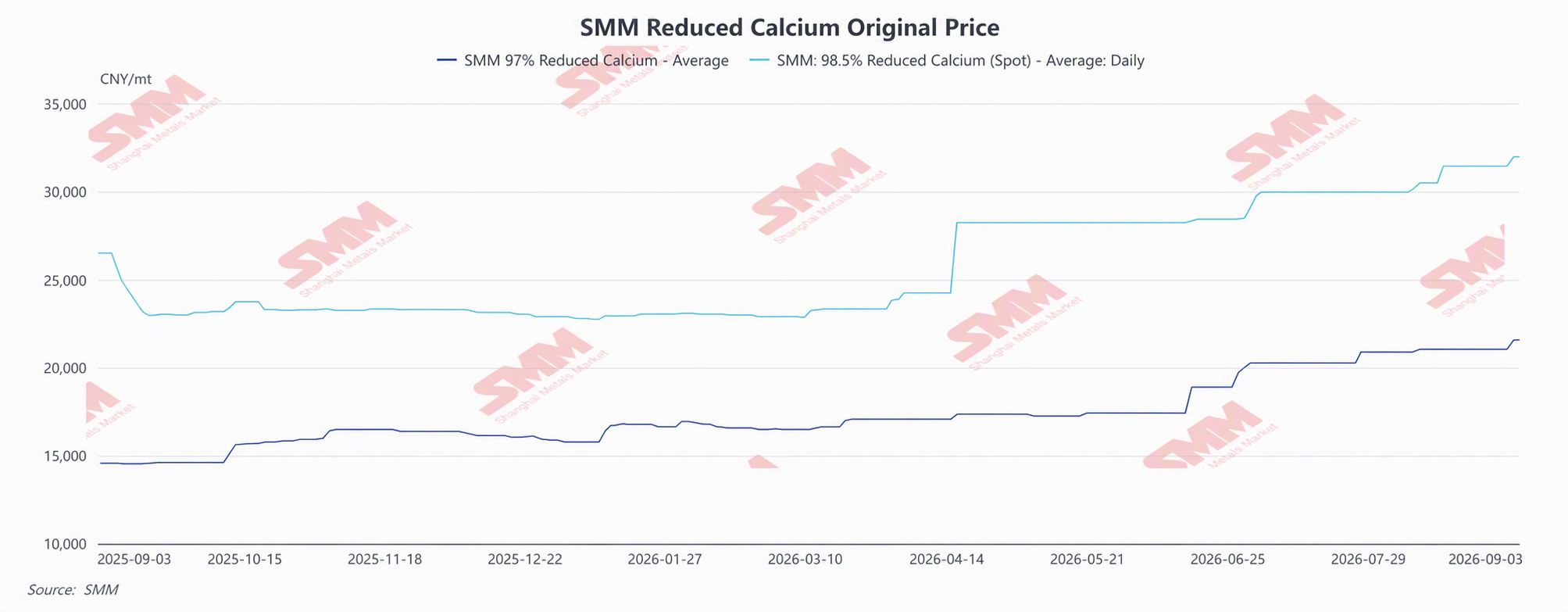 Crude calcium production mainly uses the vacuum aluminothermic reduction process, employing aluminum powder as a reducing agent to reduce calcium oxide to metallic calcium under vacuum conditions at around 1,200°C. Limestone and aluminum powder are the core raw materials, while coal serves as the heating fuel for reduction furnaces and, together with electricity, constitutes the main energy cost. Some calcium producers report that tight coal supply and rising prices are forcing raw materials for crude calcium to follow suit. In terms of spot performance, crude calcium prices have already been raised, with an increase of 2.38%.
In the short term, with slow production resumptions in Lvliang and sluggish recovery in port clearance, coal prices are expected to stay high. Cost support for crude calcium remains in place, and prices are more likely to rise than fall. Spot cargo may have slight upside room, but downstream procurement is steady and wait-and-see sentiment exists, so upside room is limited.
![[SMM Chromium Flash] Potential Valterra-Northam Deal Could Reshape South Africa's Chrome Concentrate Landscape](https://imgqn.smm.cn/usercenter/qbMSp20251217171722.jpeg)
![Production cut benefits materialize as futures and spot trends diverge; silicon metal prices remain in a stalemate [SMM Silicon Industry Weekly Review]](https://imgqn.smm.cn/usercenter/aNMzb20251217171724.jpg)
![ADC12 Prices Rise for Consecutive Weeks, Profit Improvement and Marginal Demand Recovery [Aluminum Scrap and Secondary Aluminum Weekly Review]](https://imgqn.smm.cn/usercenter/wUnEn20251217171722.jpeg)