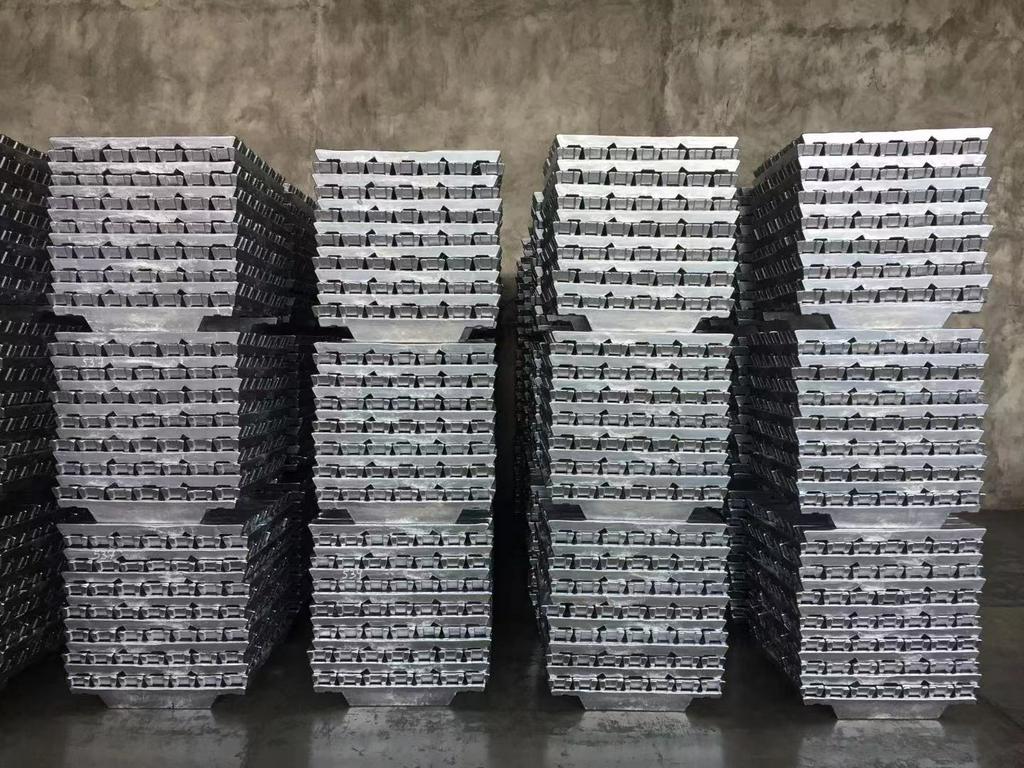
August 31 SMM Aluminum Morning Meeting Minutes
Futures: Last Friday, SHFE aluminum closed at 23,925 yuan/mt, edging down 0.02%, with intraday fluctuations between 23,845 and 23,990. Prices were above all key moving averages (MA5=23,836; MA10=23,788; MA30=23,723; MA60=23,572), with the moving average system in a bullish alignment and the medium-term uptrend intact. The MACD DIF was 68.573 and DEA was 84.924; although DIF remained above zero, it was in a death cross, and the histogram stood at -32.7, indicating that short-term bullish momentum had weakened somewhat and the market was in a high-level correction phase. Trading volume expanded to 79,400 lots, and market activity rebounded somewhat. The recommended core trading range for SHFE aluminum is 23,800-24,400. LME aluminum closed at $3,242/mt, up 0.56%, with an intraday range of 3,222-3,248.5. Prices were slightly below the MA60 (3,243.6) but above the MA5 (3,230.4), MA10 (3,229.5), and MA30 (3,224.92), so short-term moving averages provided effective support while the medium-term moving average posed slight pressure. The MACD DIF was 0.0415 and DEA was 2.1154, in a death cross near the zero axis, with the histogram at -4.15; both bullish and bearish momentum were weak, and the market was in a direction-selection phase. The recommended core trading range for LME aluminum is 3,200-3,280.
Macro front: The Jackson Hole global central bank conference concluded. Besides Fed Chairman Warsh’s hawkish debut, a number of global central bank officials also sent key signals. ECB officials also signaled a hawkish stance and leaned toward a September rate hike; Bank of England Governor Bailey was mild in tone and hinted at a wait-and-see approach for now. In addition, US President Trump again pressured the Fed to dismiss Governor Cook, with the shadow of political interference still lingering. Lagarde, Ueda Kazuo, and Powell all missed this year’s conference.
Fundamentals: In markets outside China, overseas aluminum production resumptions and new capacity continued to ramp up as planned, and damaged capacity in the Middle East was gradually recovering. Market expectations that the global aluminum market would shift from tight to loose over the longer term persisted, continuing to limit upside room for aluminum prices. However, LME visible inventory remained near historically extremely low levels at around 250,000 mt; low inventory provided bottom support for LME aluminum. As oil prices pulled back, energy costs for overseas smelting shifted marginally lower, weakening cost support for aluminum prices. Spot premiums improved only modestly, and bulls lacked sufficient momentum to keep pushing prices higher. In the Chinese market, on the inventory side, China’s aluminum social inventory extended its destocking trend this week. As of Monday, China’s aluminum ingot social inventory fell by 15,000 mt from last Thursday to 837,000 mt, and by 23,000 mt from last Monday, showing counter-seasonal destocking that provided strong support for aluminum prices. Demand side, operating rates at downstream processing enterprises held at neutral levels. With the traditional "September peak season" approaching, the market expected subsequent demand improvement, but downstream pre-season restocking was limited, and processors were still waiting to see actual peak-season demand materialize. Spot transactions were mostly need-based.
Primary Aluminum Market: Today, SHFE aluminum futures remained firm at high levels and rose above 24,000 yuan/mt in early trading. However, spot availability in east China was not ample, and transaction prices were flat compared with yesterday. Today, A00 aluminum ingot spot transactions were between a discount of 20 yuan/mt and parity. Today, aluminum futures drifted higher, while trading sentiment in the central China market became increasingly sluggish. Downstream processing enterprises showed limited pre-weekend stockpiling interest, mainly making small need-based purchases and reducing finished product inventories. Suppliers sold in a stampede, and market prices fell all the way. Ultimately, the actual transaction price range in central China was around a discount of 100-140 yuan/mt against the SHFE aluminum September contract. Today, futures edged lower, and south China spot aluminum remained soft. Although inventories were still in a destocking channel, expectations of a near-term surge in arrivals from the north were being priced in by the market ahead of time, and the floor support provided by low inventories to premiums and discounts was weakening at the margin. With the weekend and month-end coinciding, absolute prices and premiums both stood at high levels, prompting holders to take the initiative to widen concessions and accelerate liquidation and exit while the window of both high absolute prices and high premiums lasted. Supply emerged in abundance, and circulation was somewhat excessive. Demand side, downstream users maintained a steady pace of rigid procurement, which still provided some bottom support; however, flexible buying such as proactive inventory building was nearly absent. Traders, shrouded by bearish sentiment, mainly sought to push for lower prices and buy on dips, adding deeper drag to the market. The contradiction of strong supply and weak demand was pronounced, and intraday trading was lackluster. Spot transaction prices concentrated between premiums of 180 yuan/mt and 220 yuan/mt against the SHFE aluminum 2609 contract.
Aluminum Scrap: Today, the SMM A00 aluminum spot price closed at 23,900 yuan/mt, down 20 yuan/mt from the previous trading day, while prices across China’s aluminum scrap market held steady overall. As for price differences between A00 aluminum and aluminum scrap, on August 28 they stood at about 2,354 yuan/mt for Foshan mixed aluminum extrusion scrap free of paint and about 1,133 yuan/mt for shredded aluminum tense scrap, both steady WoW. Against a backdrop of continued primary aluminum price recovery, aluminum scrap fluctuations were relatively limited and the price transmission mechanism was hindered, mainly by two factors. First, with the traditional peak season approaching, secondary aluminum alloy demand had yet to improve visibly. Second, inventories of wrought aluminum-based materials such as doors and windows in Henan and other regions were high, weakening the upside elasticity of aluminum scrap prices. In addition, the supply-side constraint from the “reverse invoicing” policy persisted, and the scarcity of compliant, invoice-bearing aluminum scrap provided bottom support for aluminum scrap prices. On the import side, this week prices of imported shredded aluminum zorba at Ningbo port were lowered from 21,670 yuan/mt to 21,370 yuan/mt and at Tianjin port from 21,720 yuan/mt to 21,420 yuan/mt, both tax-inclusive. The import window improved recently compared with earlier, trader inquiries and procurement interest picked up, and import supply increased. In the short term, the market is currently at the tail end of the traditional off-season. Orders at downstream scrap utilization enterprises have not yet shown a clear recovery, and the front-loading effect ahead of the peak season has not been significant. Scrap utilization enterprises continue to purchase as needed and keep inventories low, and their acceptance of price increases is limited; some enterprises have chosen to hold steady and wait after earlier following price increases. Import side, previously traded cargoes have gradually arrived at ports, providing some supplement to supply. However, the deep-seated effects of the UAE ban and EU tariff hikes will still limit a significant increase in high-quality scrap imports.
Secondary Aluminum Alloy: Spot Market: Today, the ADC12 market was generally stable, and industry quotes showed no notable adjustments for the time being. The SMM ADC12 price held steady at 23,950 yuan/mt. At present, both the cost side and the demand side lack notable changes. Aluminum prices and aluminum scrap feedstock prices showed limited fluctuations, providing relatively stable support and impetus to ADC12 prices. The demand side remains at the tail end of the off-season, and the downstream procurement pace is generally slow; the market has not yet formed a clear restocking driver. With no notable changes in supply-demand and cost conditions, the industry's overall willingness to adjust prices remains weak, and market wait-and-see sentiment is still relatively strong. In the short term, ADC12 prices are expected to continue to move sideways in a narrow range. Going forward, as the traditional peak season approaches, close attention should be paid to improvements in downstream orders and procurement demand.
Overall Outlook: Macro front, the Jackson Hole central bank symposium sent hawkish signals. Fed Chairman Warsh struck a hawkish tone in his debut, and ECB officials leaned toward a September rate hike. Expectations for global liquidity tightening have risen, weighing on macro sentiment and creating bearish pressure on aluminum prices. However, continued destocking in domestic inventories and the approaching "September peak season" expectations are providing relatively strong support beneath aluminum prices. With bullish and bearish factors intertwined, aluminum prices are expected to continue to consolidate at highs.
[The information provided is for reference only. This article does not constitute direct advice for investment or research decisions. Clients should make prudent decisions and should not replace their own independent judgment with this information. Any decisions made by clients are not related to SMM.]
![Aluminum Alloy Futures Recovered and Moved Higher; Supply and Demand Stable, Spot Cargo Remained in Wait-and-See Mode [SMM Cast Aluminum Alloy Morning Comment]](https://imgqn.smm.cn/usercenter/XLWyP20251217171654.jpg)