DRC’s Rubaya Mines Remain at the Centre of Conflict and Critical Minerals Race

Published: Aug 19, 2026 16:37

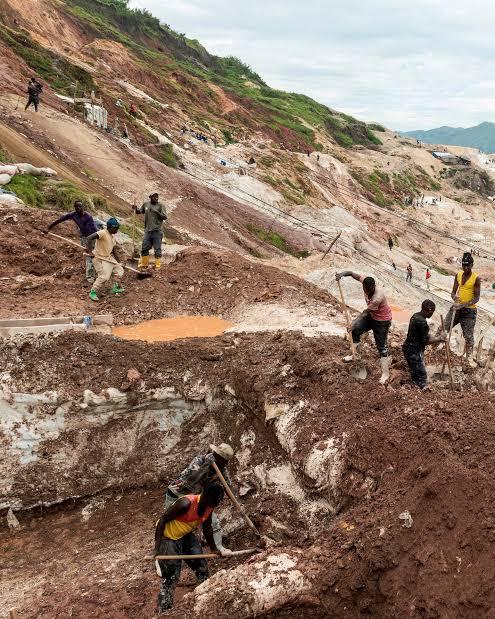
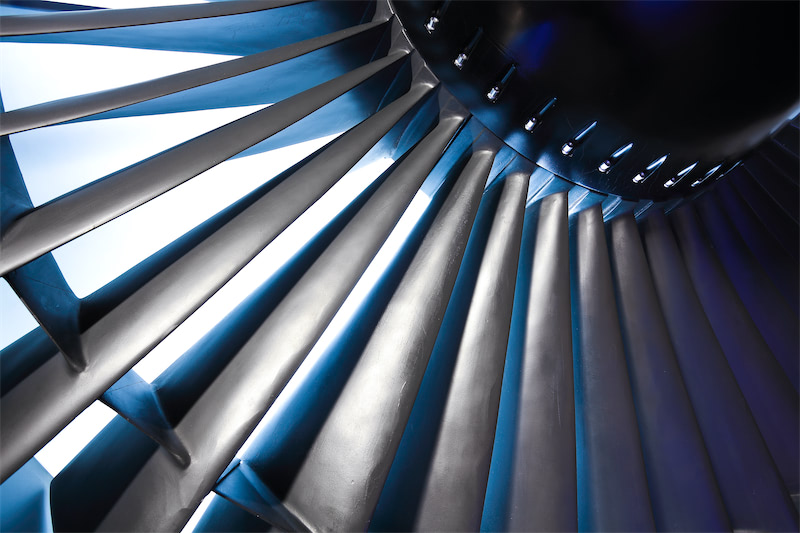
[SMM Flash] The coltan-rich Rubaya mining area in eastern Democratic Republic of Congo remains central to the region’s conflict and the global race for critical minerals. Reuters reporting from the area found that M23 controls the mines and has established an organised system covering mining, transportation and taxation. Rubaya is reported to produce a significant share of global coltan, from which tantalum is extracted for electronics, aerospace and medical applications. The reporting also highlighted harsh artisanal mining conditions, including the involvement of children, limited safety equipment and intense physical labour, while M23 reportedly collects taxes on production and controls who can trade the ore.

The mineral trade is increasingly intertwined with diplomatic efforts to end the conflict. A US-backed peace process between the DRC and Rwanda and Qatar-mediated talks between the DRC and M23 are seeking to establish a lasting settlement, with access to the DRC’s vast mineral resources also attracting Western investment interest. However, analysts cited by Reuters stressed that peace agreements alone may not be sufficient without stronger mineral traceability to prevent smuggling and conflict financing. The DRC is also seeking to diversify investment and reduce its dependence on China, which remains deeply involved in the country’s copper and cobalt supply chains.
Data Source Statement: Except for publicly available information, all other data are processed by SMM based on publicly available information, market communication, and relying on SMM's internal database model. They are for reference only and do not constitute decision-making recommendations.

For any inquiries or for more information, please contact: lemonzhao@smm.cn
For more information on how to access our research reports, please contact:service.en@smm.cn
Related News
[SMM Analysis] Stronger Profits, Yet Limited Supply Elasticity: H1 2026 Americas Moly Mine Review
Sep 12, 2026 00:05
[SMM Analysis] Stronger Profits, Yet Limited Supply Elasticity: H1 2026 Americas Moly Mine Review
Read More
[SMM Analysis] Stronger Profits, Yet Limited Supply Elasticity: H1 2026 Americas Moly Mine Review
[SMM Analysis] Stronger Profits, Yet Limited Supply Elasticity: H1 2026 Americas Moly Mine Review
In H1 2026, Americas moly supply divergence deepened. Despite stronger mining profits, overall output failed to rebound. While H2 may see recoveries at select large mines, supply elasticity remains constrained. Which operations are dragging on supply, and where will incremental growth emerge? SMM data reveals a market entering a new phase of "stronger margins, diverging production, and concentrated incremental gains."...
Sep 12, 2026 00:05
[SMM Chromium Week Review] Chrome Ore Flows Rebound as China Port Stocks Build, Zimbabwe Eyes Ferrochrome Capacity
Sep 11, 2026 20:21
[SMM Chromium Week Review] Chrome Ore Flows Rebound as China Port Stocks Build, Zimbabwe Eyes Ferrochrome Capacity
Read More
[SMM Chromium Week Review] Chrome Ore Flows Rebound as China Port Stocks Build, Zimbabwe Eyes Ferrochrome Capacity
[SMM Chromium Week Review] Chrome Ore Flows Rebound as China Port Stocks Build, Zimbabwe Eyes Ferrochrome Capacity
September 11, 2026.
Sep 11, 2026 20:21
[SMM Chromium Flash] Tharisa's Underground Transition at Its Chrome-PGM Flagship Mine Remains on Track
Sep 11, 2026 20:12
[SMM Chromium Flash] Tharisa's Underground Transition at Its Chrome-PGM Flagship Mine Remains on Track
Read More
[SMM Chromium Flash] Tharisa's Underground Transition at Its Chrome-PGM Flagship Mine Remains on Track
[SMM Chromium Flash] Tharisa's Underground Transition at Its Chrome-PGM Flagship Mine Remains on Track
Tharisa confirmed its transition to underground mining at its flagship Tharisa Mine, on the southwestern limb of South Africa's Bushveld Complex, remains on time and within budget, running in parallel with the Karo Platinum Project's construction financing in Zimbabwe. Development of the Apollo underground complex, which commenced in March 2026, is progressing toward first run-of-mine ore in the current quarter, with steady-state production of 255,000 mt per month targeted by the third quarter of calendar year 2029. The Orion complex is expected to follow, targeting first ore in financial year 2031 and steady-state production by the third quarter of calendar year 2033. Together, Tharisa said the two underground complexes are expected to extend mining at the Tharisa Mine, which co-produces chrome concentrate alongside PGMs from the same orebody, for more than 60 years beyond depletion of the current open pit. The underground project is fully funded through development loans from Absa and Standard Bank and an asset-based revolving facility from Nedbank, funding that sits separately from the US$300 million Nordic bond raised this week for Karo. The company did not break out what share of Apollo or Orion's future run-of-mine ore output will be chrome-bearing material versus PGM-bearing material, leaving the underground transition's specific impact on Tharisa's chrome concentrate volumes still to be clarified as the two complexes ramp up toward steady state.
Sep 11, 2026 20:12