

[SMM Analysis] EF Steel Mill Operating Rates Fall amid Losses and Off-Season
As of August 18, the operating rate of 50 EAF steel mills nationwide mainly producing construction steel was 31.71%, down 1.96% WoW; the capacity utilization rate was 31.30%, down 2.17% WoW from the previous period; the daily average production of construction steel was 69,700 mt, down 4,800 mt WoW from the previous period.
During the survey period (August 12-August 18), steel mill operations varied slightly across regions. Specifically, some EAF steel mills in east China experienced intermittent production suspensions due to navigation closures, while individual EAF steel mills fully suspended production due to prolonged losses; in south-west China, affected by the traditional off-season for construction steel demand, steel mills had sluggish shipments and relatively high inventory pressure, and multiple steel mills reduced operating hours or shut down; by contrast, most EAF steel mills in central and south China maintained their existing production pace. Overall, the national electric furnace operating rate shifted from growth to decline, with a decrease of 1.96%.
Going forward, currently, the comprehensive profit per mt of electric-furnace steel is mostly below the break-even line; meanwhile, high temperatures and rainy weather, coupled with tight bills, have kept steel scrap resources tight, and EAF steel mills are constrained by steel scrap procurement costs, making it difficult to boost overall producers' enthusiasm. The electric furnace operating rate is expected to remain at a medium-to-low level next period.
Data Source Statement: Except for publicly available information, all other data are processed by SMM based on publicly available information, market communication, and relying on SMM's internal database model. They are for reference only and do not constitute decision-making recommendations.
For any inquiries or for more information, please contact: lemonzhao@smm.cn
For more information on how to access our research reports, please contact:service.en@smm.cn
Related News
42 mins ago
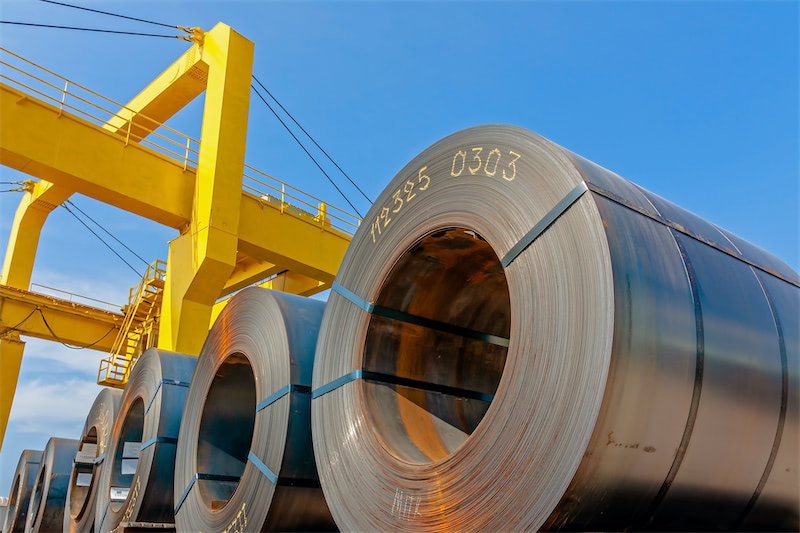
Ningbo HRC Inventory Hits 7-Week High, Up 31,000 mt WoW
Read More
Ningbo HRC Inventory Hits 7-Week High, Up 31,000 mt WoW
HRC inventory in Ningbo stood at 356,000 mt as of August 19, 2026, up 31,000 mt or 9.5% week-on-week from 325,000 mt on August 12, marking the highest level since early July, according to SMM survey. Most warehouses posted inventory builds of varying degrees this week, sustaining the overall restocking trend.
42 mins ago
43 mins ago
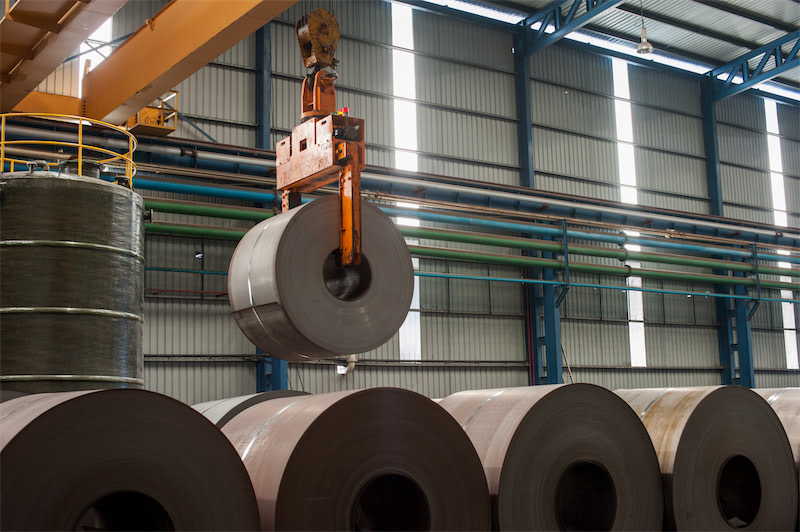
【Russian Coal Exports to South Korea Rise 89.4% to 12.5 Mt in H1 2026】
Read More
【Russian Coal Exports to South Korea Rise 89.4% to 12.5 Mt in H1 2026】
Russia exported 12.5 mnt of coal to South Korea in the first half of 2026, an increase of 5.9 mnt, or 89.4%, year on year. Russia accounted for approximately 22% of South Korea’s coal imports and became its second-largest supplier after Australia. South Korea’s total coal imports rose by 21.3% to 56.9 mnt, with Russia contributing around 59% of the net increase.
Australian shipments to South Korea increased by 35.4% to 19.5 mnt, while Indonesian supplies declined by 2.5% to 11.9 mnt and Canadian deliveries rose by 33.3% to 5.6 mnt. Combined growth from Russia and Australia reached 11 mnt, exceeding the 10 mnt increase in South Korea’s total imports and offsetting lower shipments from Indonesia, Colombia and the United States.
43 mins ago
44 mins ago
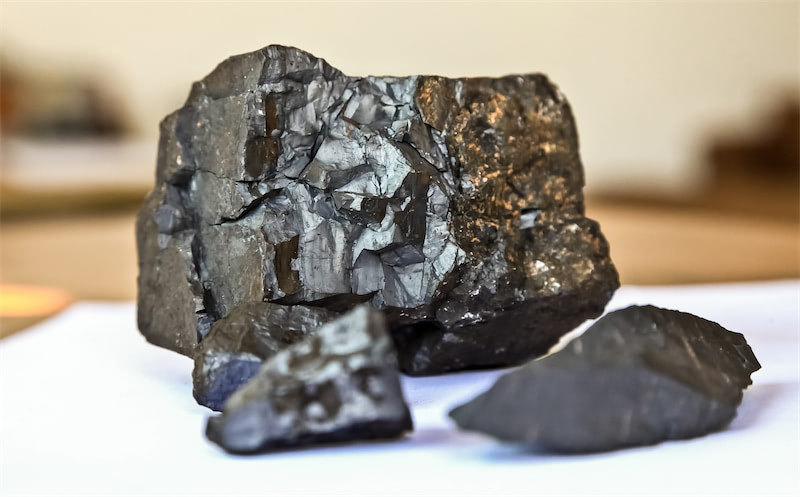
【Global Coal Markets Strengthen as European Thermal Coal Exceeds $124/t and Australian HCC Rebounds to $224/t】
Read More
【Global Coal Markets Strengthen as European Thermal Coal Exceeds $124/t and Australian HCC Rebounds to $224/t】
Global coal markets generally strengthened over the past week, although performance varied across regions and grades. European thermal coal indices rose above $124/t, supported by firmer oil and gas prices, geopolitical risks and weaker renewable and nuclear generation during the heatwave. South African 6,000 kcal/kg high-CV coal exceeded $109/t, with additional support from Indian enquiries and a 12 August train derailment that disrupted deliveries to Richards Bay Coal Terminal.
China’s Qinhuangdao 5,500 NAR spot price strengthened above $126/t. Coal stocks at nine major ports declined by 0.87 mnt week on week to 26.51 mnt, while inventories at six major coastal thermal power plants fell by 0.25 Mt to 14.01 Mt. Lower inventories and tighter mine safety inspections supported domestic prices and increased Chinese traders’ interest in imported blending coal. Indonesian 5,900 GAR coal rose to $104.5/t, while 4,200 GAR material approached $64/t.
Australian thermal coal prices were mixed, with 6,000 high-CV coal falling below $128/t while 5,500 mid-CV material strengthened to $95–96/t. Meanwhile, limited availability of premium metallurgical coal, renewed purchasing and improved Chinese market sentiment lifted the Australian HCC index to $224/t.
44 mins ago
Related News
Ningbo HRC Inventory Hits 7-Week High, Up 31,000 mt WoW
Aug 19, 2026 10:49
【Russian Coal Exports to South Korea Rise 89.4% to 12.5 Mt in H1 2026】
Aug 19, 2026 10:48
【Global Coal Markets Strengthen as European Thermal Coal Exceeds $124/t and Australian HCC Rebounds to $224/t】
Aug 19, 2026 10:48
【Near-Halt in Black Sea Coal Shipments Lifts Turkish Thermal Coal Offers to Their Highest Since Autumn 2023】
Aug 19, 2026 10:47