SMM July 14 News:
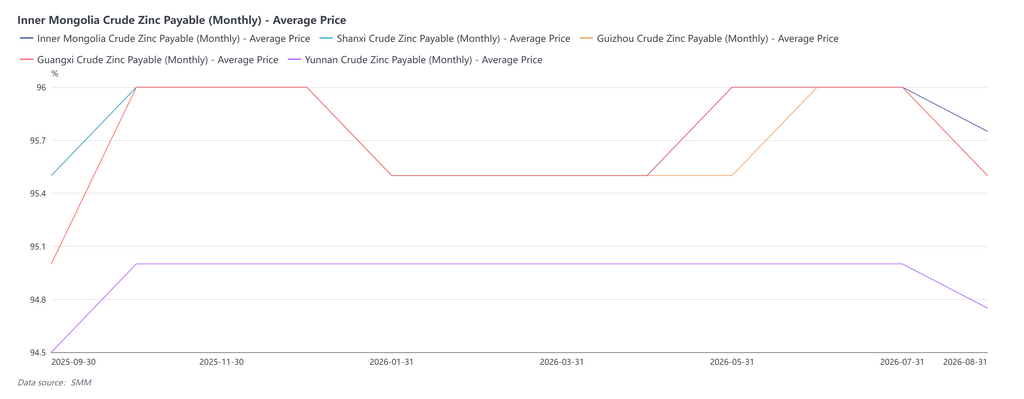
Since 2026, the domestic crude zinc market has exhibited operating characteristics of concurrent supply-side contraction and demand-side structural divergence. Affected by the combined impact of tightening raw material supply, fluctuating smelter operating rates, and seasonal adjustments in downstream consumption, the crude zinc price coefficient has edged down slightly from 96% to approximately 95.5%. So what is the future trend?
I. Raw Materials: Recycled crude zinc raw materials primarily consist of blast furnace steel dust, electric arc furnace dust, zinc dross, and galvanized scrap. Domestic crude steel production controls combined with optimized dust recovery processes at steel mills have led to annual contraction in blast furnace steel dust output; incremental electric arc furnace steel production has brought electric arc furnace dust supply, but the dispersed recycling system and rising cross-regional transportation costs have driven scrap acquisition prices upward in tandem with zinc prices. Intensified competition in the waste materials market has resulted in fierce raw material procurement competition among recycled smelting enterprises, with most small and medium-sized recycled plants maintaining low raw material inventories and struggling to sustain full-capacity operations. This has kept secondary zinc oxide and zinc calcine prices at elevated levels, with overall raw material prices remaining high and production costs substantial.
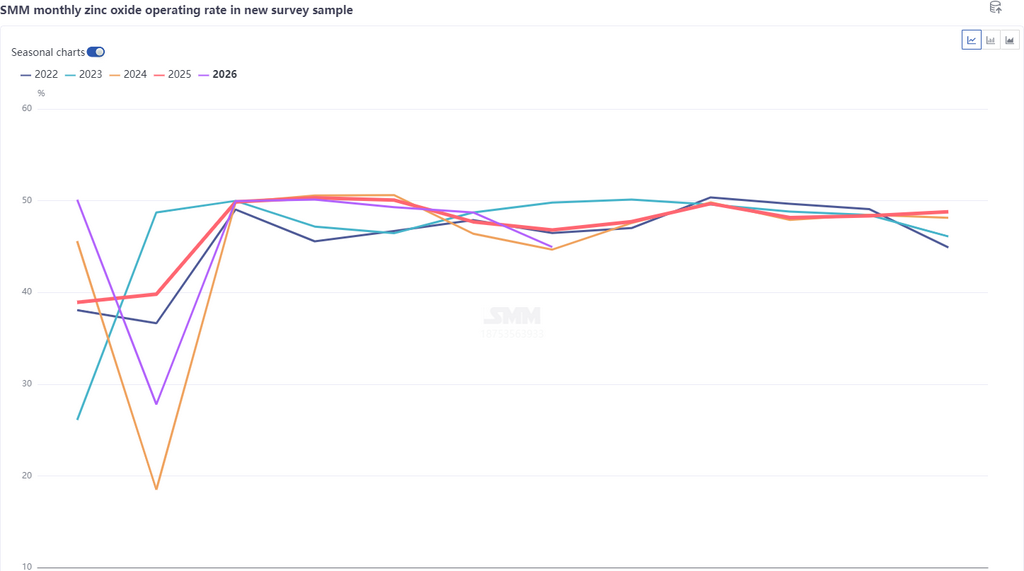
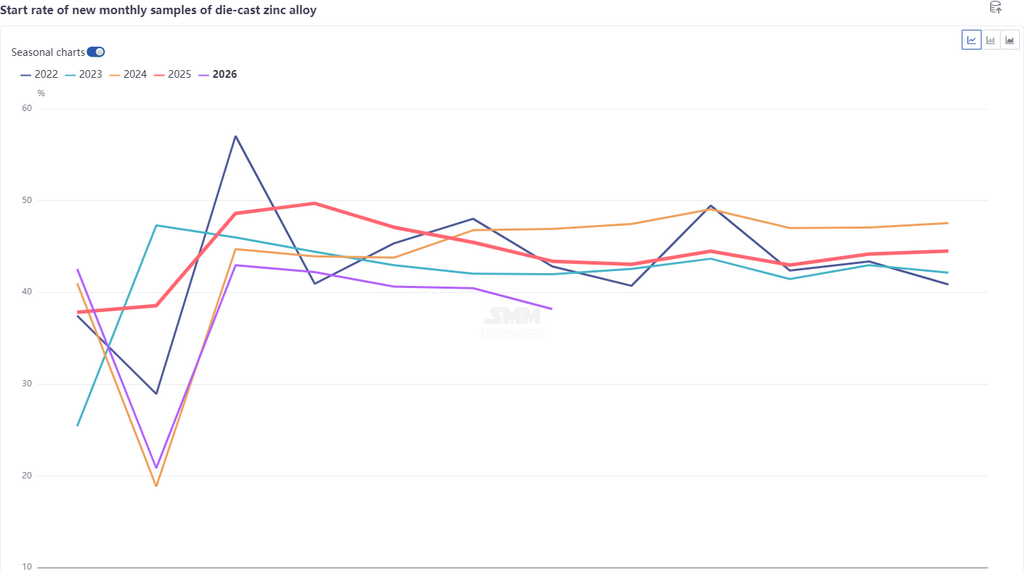
II. Demand Analysis: As crude zinc derived primarily from secondary raw materials, downstream consumption mainly flows into zinc oxide, zinc alloys, and brass systems. Examining downstream operating rates, year-on-year figures are all negative, indicating weak consumption performance. From terminal data perspective, real estate data has continued to weaken since 2026, with both new construction starts and completions showing cumulative year-on-year declines exceeding 20% as of H1 2026, maintaining an overall downtrend. Additionally, looking at automobile production, as of H1 2026, China's cumulative automobile production declined 3.9% year-on-year, coupled with high tire inventory levels forcing zinc oxide enterprise operating rates lower. Survey findings also indicate sustained weakness in hardware order exports for terminal products. Overall consumption remains sluggish, which has dragged down crude zinc prices.
III. Forward-Looking Perspective: Considering high crude zinc costs and expectations for improved downstream consumption by late Q3, limited room remains for further coefficient declines.