8.14 SMM Aluminum Morning Meeting Minutes
Futures: SHFE aluminum closed at 24,010 yuan/mt, down 0.62%. The price fell below the MA5 (about 24,160) but stayed slightly above the MA10 (23,988.5). Short-term moving-average support is being tested, while the mid-term MA30 (23,469.5) and MA60 (23,699.67) remained in a bullish alignment. MACD: DIF=208.6, DEA=143.02, maintaining a golden cross, but the histogram narrowed to 131.17 (192.2 the previous day), marking the third consecutive day of weakening bullish momentum. Trading volume edged up to 53,000 lots, with market divergence increasing. The suggested core trading range for SHFE aluminum is 23,800-24,400. LME aluminum closed at $3,235.5/mt, down 0.08%. The price fell below the MA5 (3,296.9) and MA10 (3,271.2) but remained above the MA30 (3,200.3). Short-term moving averages formed overhead resistance, while mid-term support remained. The MACD histogram narrowed to 20.22 (41.42 the previous day), with bullish momentum continuing to weaken. The suggested core trading range for LME aluminum is 3,200-3,280.
Macro front: US July PPI was flat MoM, while the YoY increase eased to 4.7% from 5.5% in June; core PPI rose 0.2% MoM, below the expected 0.3%, and the YoY increase fell to 4.2%. The data indicated further easing of US inflationary pressure, prompting traders to further scale back expectations for US Fed interest rate hikes in September; divisions within the US Fed over the next direction of monetary policy became more openly visible. Cleveland Fed President Hammack reiterated a hawkish stance, arguing that action is needed now, and warned of financial stability risks such as leverage in US Treasuries and an AI bubble. Richmond Fed President Barkin supported keeping rates unchanged, saying inflation was mainly driven by temporary shocks, but warned that AI investment and supply chains could bring persistent price pressures.
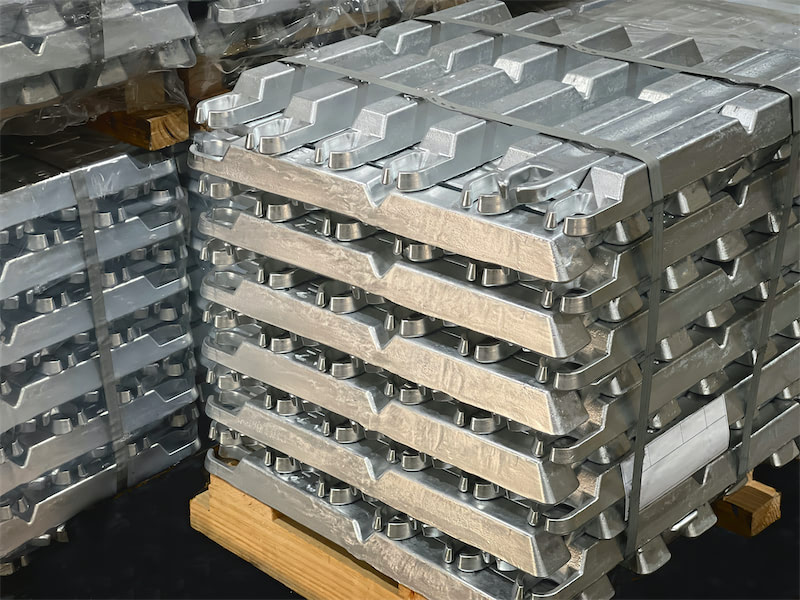
Fundamentals: In terms of supply, China’s weekly aluminum production over the past week was basically stable, and the proportion of liquid aluminum rose 0.19 percentage points MoM; outside China, amid continued progress in ramp-ups at new projects and production resumptions, aluminum supply is expected to keep increasing. However, in the short term, the global destocking trend for aluminum ingot remained unchanged. Demand side, downstream processing industries were in the traditional consumption off-season, with overall operating rates under pressure; aluminum billet processing fees pulled back, and substitution demand for aluminum ingot weakened. Inventory side, China’s aluminum social inventory continued destocking this week. As of this Thursday, China’s aluminum ingot social inventory destocked by 19,000 mt from this Monday to 898,000 mt, and destocked by 35,000 mt WoW from last Thursday. In the short term, aluminum ingot inventory is expected to continue destocking, but there are expectations for a slowdown in destocking in the second half of the month. In terms of overseas supply, UAE EGA’s semiannual earnings report disclosed the production resumption progress at the Al Taweelah aluminum smelter, which was shut down after an attack on March 28. Across the plant’s 1,262 pots, 18% had been restarted. Production is expected to return to pre-incident levels in Q1 2027. The alumina refinery’s production in H1 2026 fell sharply YoY, and capacity recovered to 50% of pre-incident levels in early July.
Primary aluminum market: In early trading, the SHFE aluminum 2608 contract saw its center move lower from yesterday. Market purchasing sentiment improved further, and transactions among traders were relatively active. Today, the main transaction center for SHFE aluminum spot premiums was between parity with the 08 contract and 08 +10 yuan/mt, while transactions for 09 were at discounts of 30 yuan/mt to 20 yuan/mt. Today, the east China market shipment sentiment index was 3.18, up 0.01 MoM; the purchasing sentiment index was 3.3, up 0.04 MoM. Aluminum futures pulled back somewhat. Today, in the central China market, downstream processing enterprises’ purchase willingness rebounded slightly, and overall trading volume recovered. Large traders’ sentiment to hold prices firm and hold back from selling remained pronounced, and the quoted price spread between large and small traders was wide. Ultimately, the actual transaction price range in the central China market hovered around discounts of 110-150 yuan/mt against the SHFE aluminum 09 contract. Today, the central China market shipment sentiment index was 3.06, down 0.03 MoM; the purchasing sentiment index was 2.95, down 0.02 MoM. Today, futures turned into a sharp decline, and spot in south China remained weak. After a four-month gap, inventory accumulation reappeared, creating some negative disturbance to expectations for the later market, with bearish sentiment gradually emerging. Against the backdrop of both weaker absolute prices and a weaker spot-futures price spread, after a brief and unsuccessful attempt by holders to hold prices firm, they generally lowered offers to cash out in time. Mainstream quotations were at discounts of -20 to 0 yuan/mt, and the degree of oversupply in circulation was no different from that during yesterday’s sharp rally. Demand side, downstream buyers gradually replenished at lower prices while staying on the sidelines, with limited enthusiasm. Traders still purchased less and sold more, and only purchasing as needed was a clear drag. Both supply and demand were weak simultaneously, and overall transactions were poor. Spot transaction prices were concentrated at premiums of 65 yuan/mt to 105 yuan/mt against the SHFE aluminum 2608 contract.
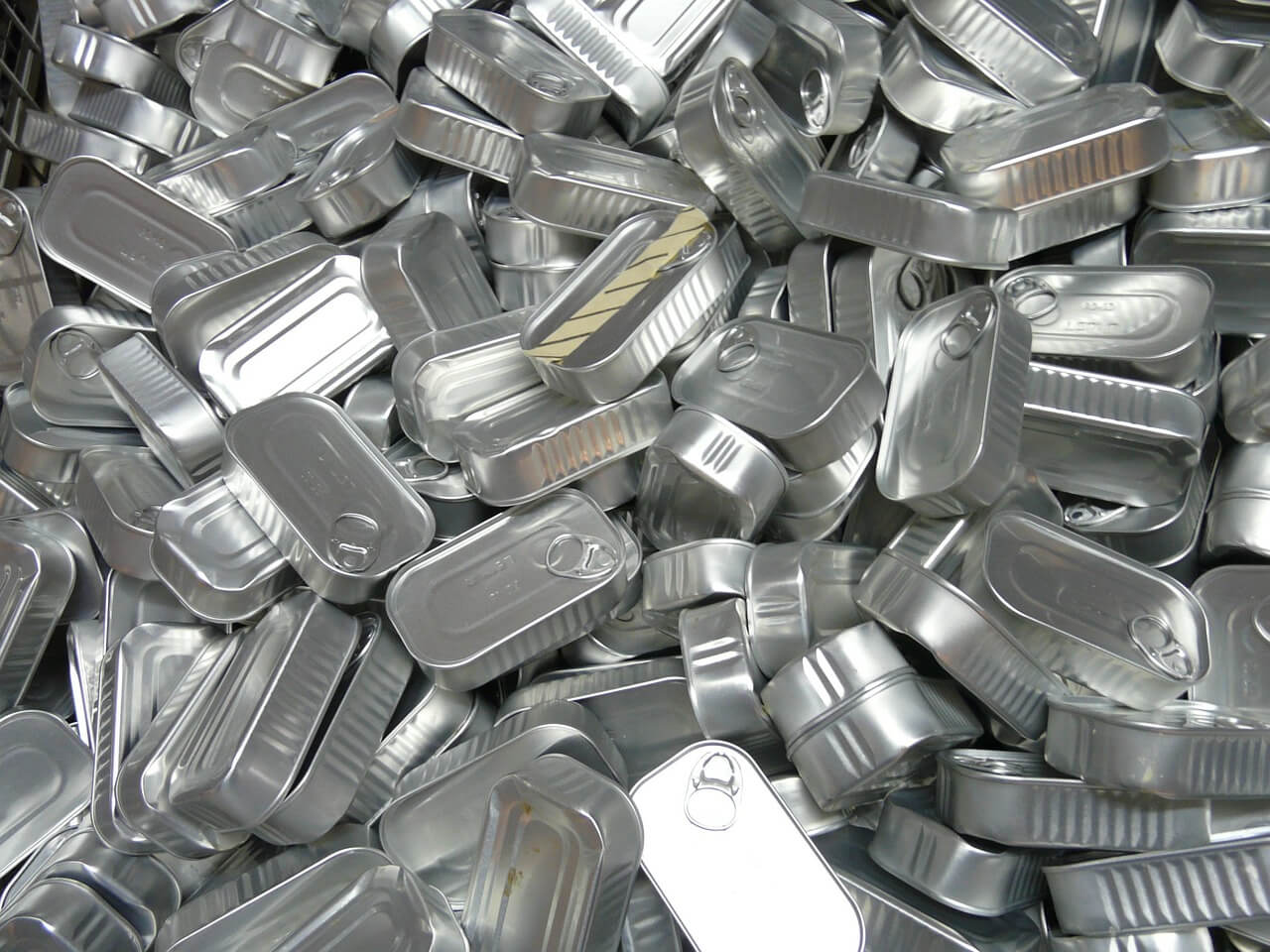
Secondary aluminum raw materials: Today, SMM A00 spot aluminum prices closed at 24,120 yuan/mt, down sharply by 250 yuan/mt from the previous trading day. China’s aluminum scrap market fell in tandem. Prices for aluminum tense scrap fell by 100 yuan/mt, while bare bright aluminum wire and aluminum extrusion scrap free of paint fell by 200 yuan/mt. As for the price difference between A00 aluminum and aluminum scrap, on August 13, the price difference between A00 aluminum and mixed aluminum extrusion scrap free of paint in Foshan was about 2,310 yuan/mt, and the price difference between A00 aluminum and shredded aluminum tense scrap was about 1,210 yuan/mt, widening again WoW. Against the backdrop of primary aluminum prices continuing to rise, aluminum scrap fluctuated within a relatively limited range, and the price transmission mechanism was impeded, mainly constrained by two factors: first, marginal weakening in demand for secondary aluminum alloy downstream; with high-temperature holidays overlapping with the traditional consumption off-season, cast aluminum alloy enterprises’ operating rate continued to decline and order volumes shrank; second, inventories of wrought aluminum alloy scrap raw materials such as doors and windows in Henan and other regions remained high, weakening the elasticity of aluminum scrap price increases. In addition, the supply-side constraints from the “reverse invoicing” policy continued, and the scarcity of compliant aluminum scrap with invoices provided bottom support for aluminum scrap prices. Recently, the import window improved compared with earlier, and traders became more active in inquiries and purchasing; arrivals were expected in mid-to-late August, which was likely to improve import supply in the short term. As the current high-temperature holiday had not yet ended, downstream cast aluminum alloy enterprises kept operating rates at low levels, and order recovery still needed time. Scrap utilization enterprises were likely to continue purchasing as needed and maintaining low inventories, and a concentrated restocking rally still needed to wait. Notably, the price difference between A00 aluminum and shredded aluminum tense scrap had widened to 1,210 yuan/mt, and the economic advantage of aluminum scrap versus primary aluminum recovered somewhat. It was expected that the aluminum scrap market would maintain a pattern of high-level, narrow-range fluctuations in the short term, with weak end-use demand remaining the key factor weighing on prices.
Secondary aluminum alloy:Spot market: Today, aluminum alloy market quotations generally fell, with SMM ADC12 down 200 yuan/mt. The pullback in futures further weighed on spot market sentiment, and enterprises generally followed with lower quotations. Downstream demand remained in the off-season, with some enterprises still on high-temperature holiday or operating at reduced loads; end-user orders and purchasing demand were weak, and the spot market lacked sustained upward momentum. However, the cost side still provided some support: aluminum scrap prices remained generally high, leaving enterprises with relatively limited room for further price cuts. The market lacked demand-driven support on the upside, while the downside was constrained by costs. ADC12 prices were expected to continue moving sideways in the short term.
Overall outlook:On the macro front, the US July PPI and core PPI both fell YoY, coming in below expectations and prior readings, further easing inflation pressure. Market expectations for US Fed interest rate hikes in September were revised down, and concerns over liquidity tightening eased at the margin. On the fundamentals, aluminum ingot inventory continued destocking, but a slowdown was expected in the second half of the month. The pace of production resumptions at Middle East aluminum smelters accelerated versus earlier market expectations, and the previously traded premium for tight supply faced pressure to give back gains. Although macro recovery and continued destocking in the first half of August supported stronger aluminum prices, as market sentiment shifted, aluminum prices were expected to be under pressure at high levels in the short term, and upside room would be constrained to some extent by expectations for production resumptions.
[The information provided is for reference only. This article does not constitute direct advice for investment research decisions. Clients should make decisions prudently and should not use this as a substitute for independent judgment. Any decisions made by clients are unrelated to SMM.]