BMW is demonstrating that building a more environmentally friendly car involves far more than simply replacing a gasoline engine with an electric motor. Taking the latest X5 as an example, the German automaker has redesigned numerous aspects of the vehicle manufacturing process, incorporating recycled materials, renewable energy, and circular production models, which it claims can reduce emissions by up to 40%.
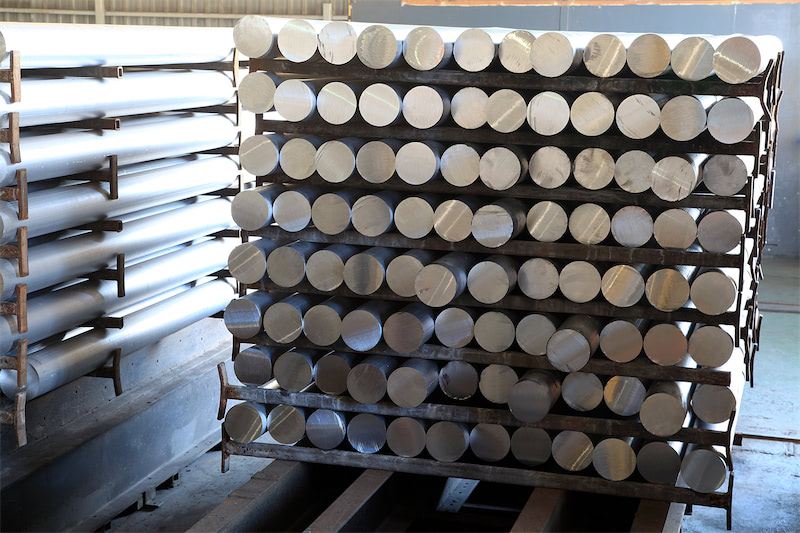
At the material level, BMW has increased its use of aluminum semis produced with renewable energy, applying them to components such as wheel rims and brake calipers. Meanwhile, aluminum scrap generated during production is systematically collected and reintroduced into the manufacturing process through a closed-loop recycling system. According to the company, roughly one-third of the total weight of the iX5 60 xDrive, approximately 940 kg, comes from secondary raw materials, effectively reducing dependence on newly extracted resources.
BMW states that this series of changes has helped reduce carbon dioxide equivalent (CO2e) emissions during the X5's product development process by about 40%, though this figure remains subject to independent third-party verification.