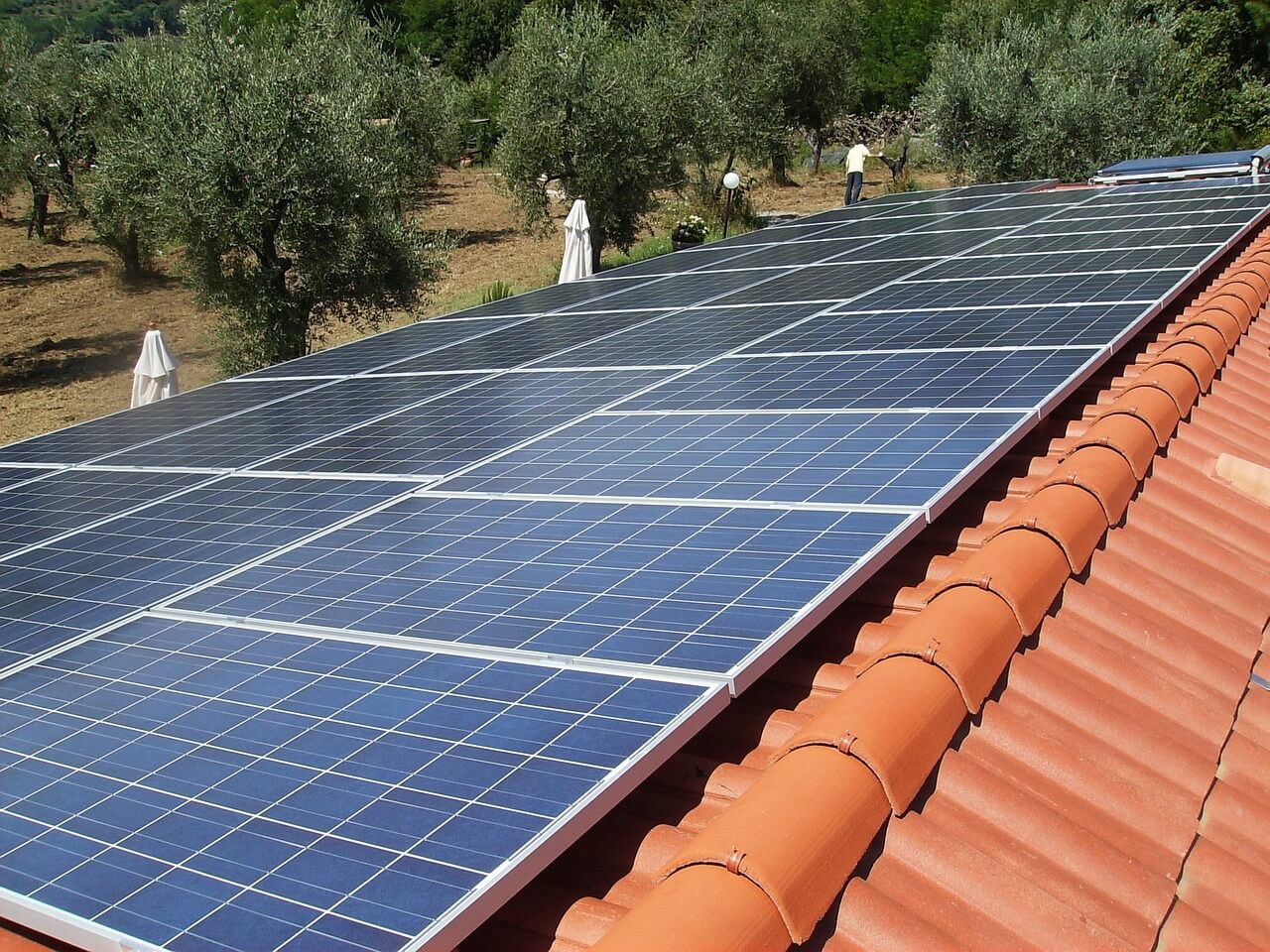
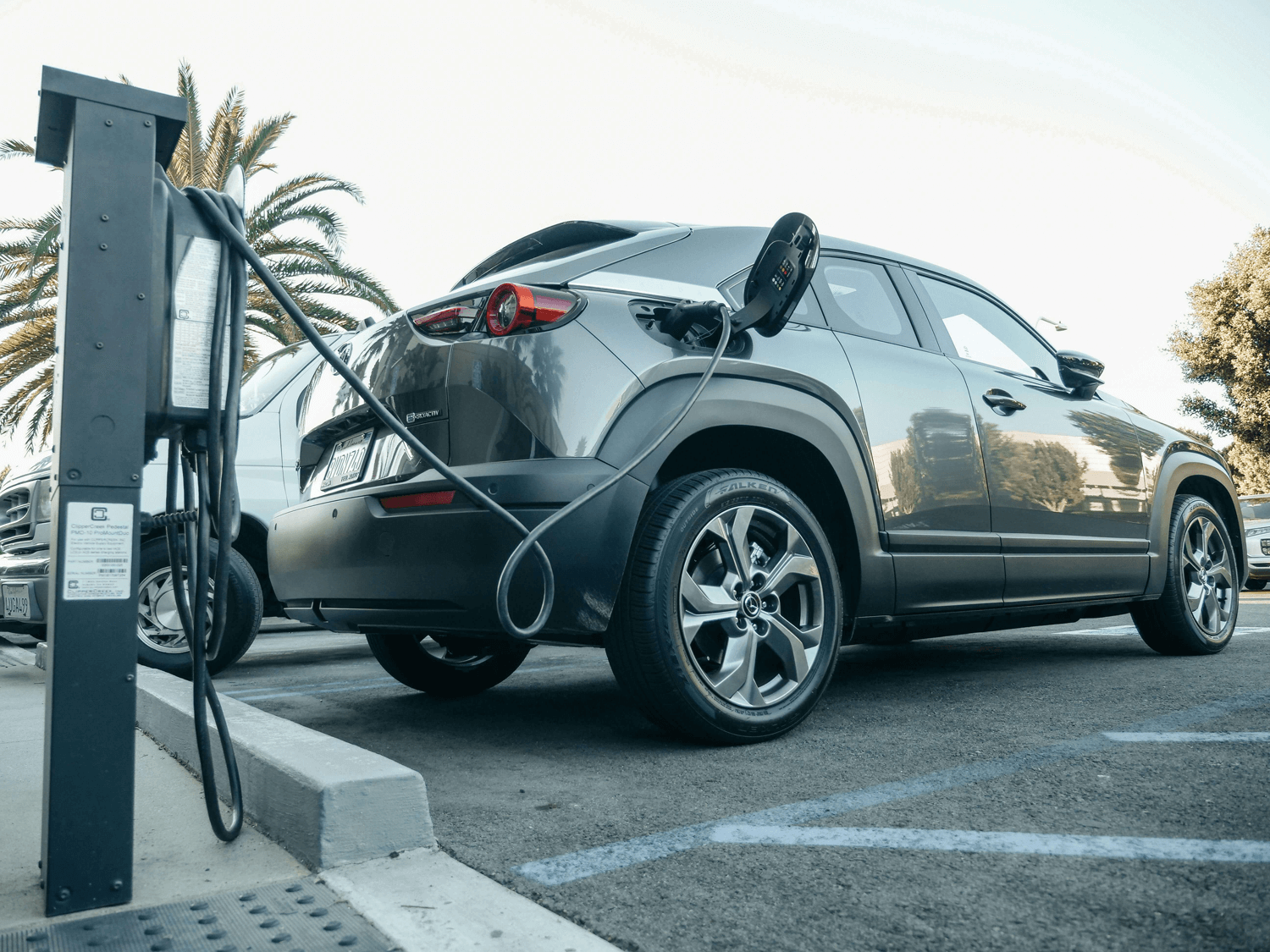
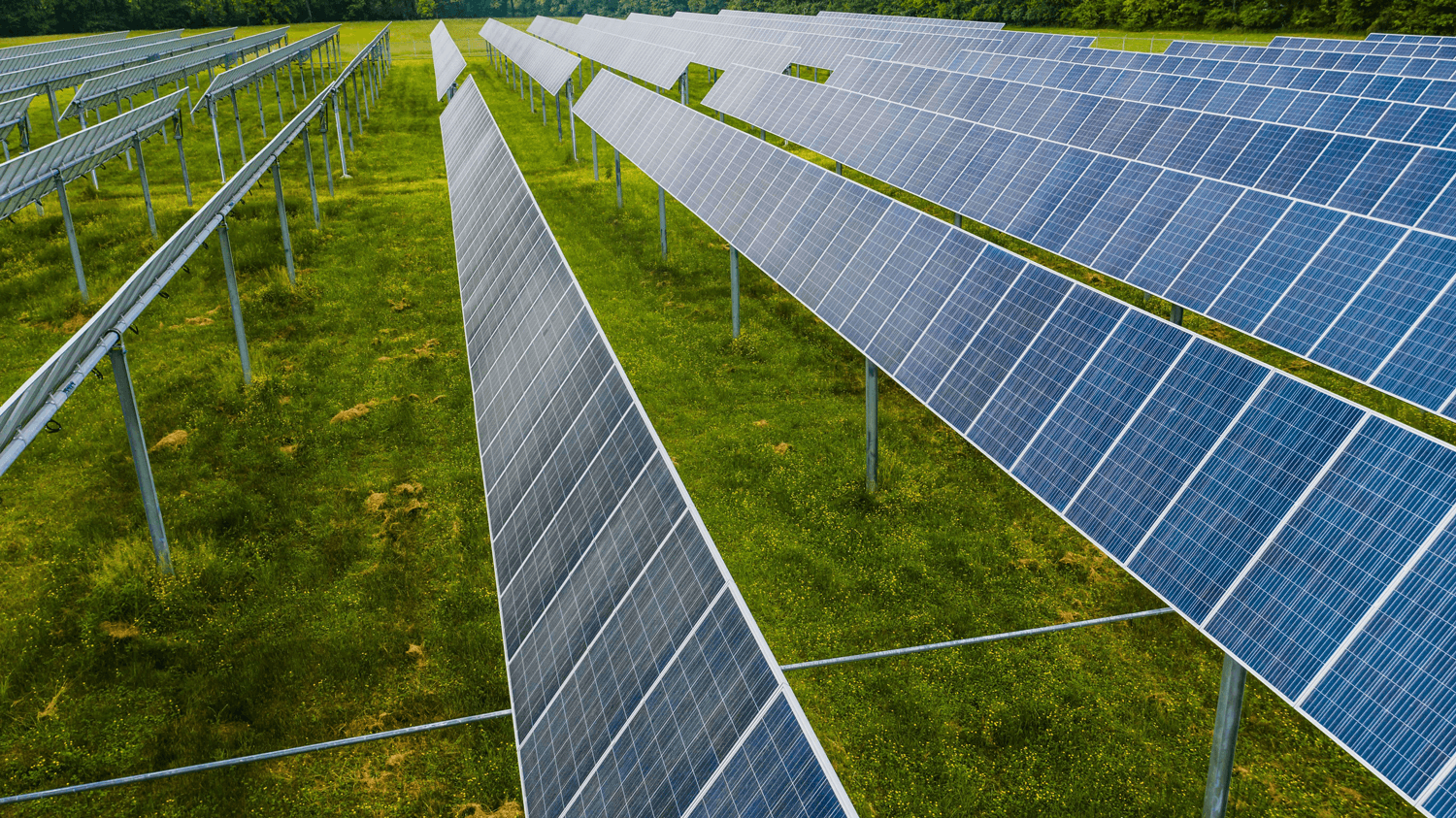
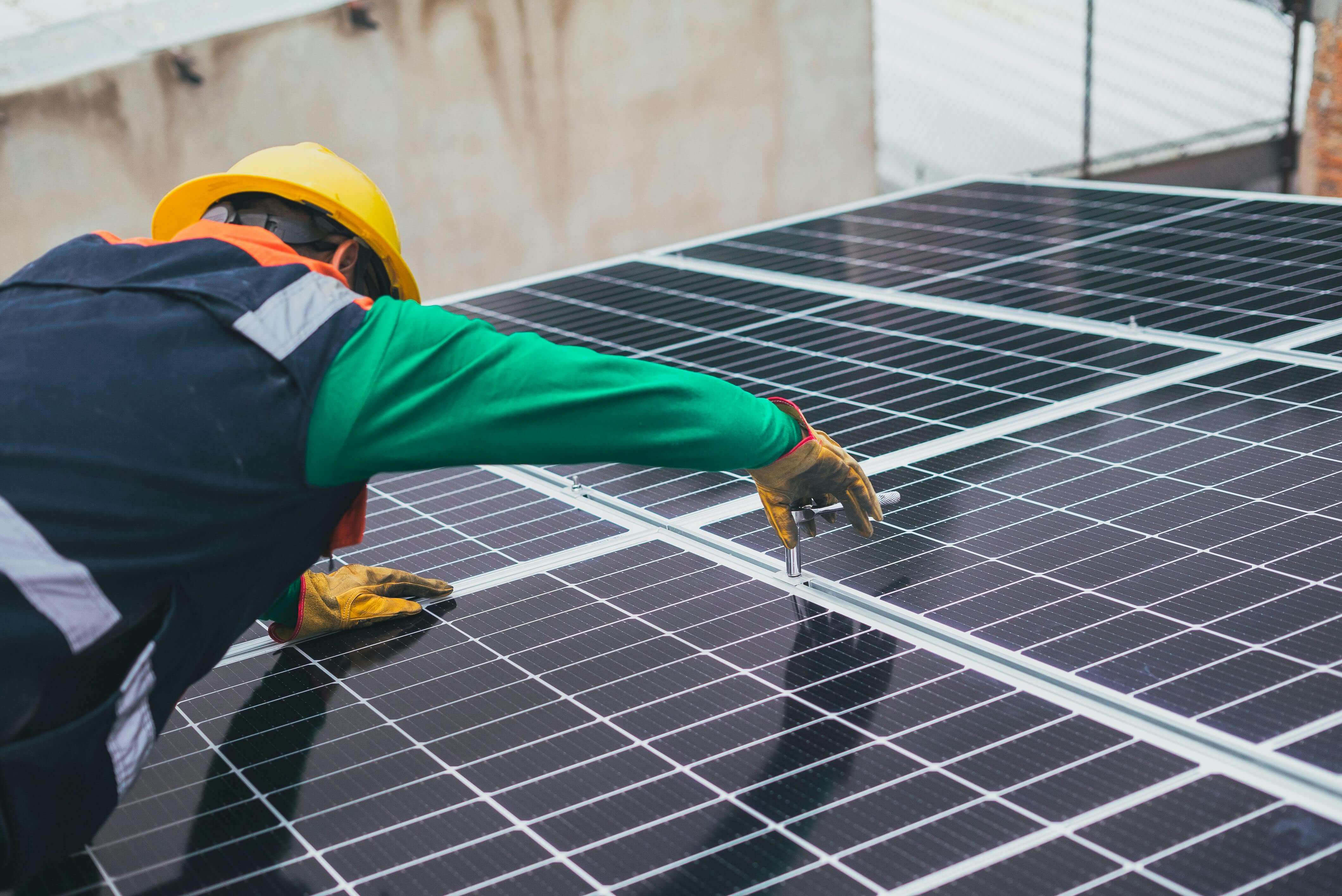
As the segment with the strongest demand certainty and highest marginal growth rate in the lithium battery sector, the energy storage industry is witnessing a wave of global deployment. In China, standalone ESS and wind-and-solar-paired energy storage projects continue to scale up, while residential ESS demand outside China is steadily expanding. At the same time, new-type application scenarios—such as mandatory energy storage allocation for AI computing centers—are being implemented. As a result, global energy storage battery cell demand continues to be released, underpinning electrolyte industry demand and driving substantial growth in demand for upstream materials like LiPF6 and additives, thereby continuously reshaping the supply-demand balance of the industry chain.
In H1 2026, global energy storage battery cell shipments reached 486 GWh, surging 93% YoY and nearly doubling. This energy storage upcycle has been driven by the ongoing refinement of policy mechanisms both in and outside China, the gradual maturation of market-based profitability models, and the deployment and expansion of emerging application scenarios. These factors have broadened the growth horizon for the energy storage industry in all respects, lending strong certainty to the sector's growth trend. In the Chinese market, although subsidy policies have been scaled back in some regions, the continued expansion of the ancillary services market and the deepening reform of the spot electricity market have significantly widened revenue channels for energy storage projects and lifted their profit ceilings. Growth momentum in markets outside China remained robust, making them the core pillar of incremental growth for the global energy storage boom. Driven primarily by policy, growth in these markets has flourished across multiple fronts: residential ESS installations in Europe and Australia maintained steady growth, while demand in Africa gradually increased, supported by power grid upgrades. In addition, the formal implementation of new mandatory energy storage allocation rules for AI data centers marked a breakthrough expansion of new-type energy storage application scenarios. Resonating with these multiple positive factors, battery cell enterprises maintained high operating rates, with major producers holding full order books.
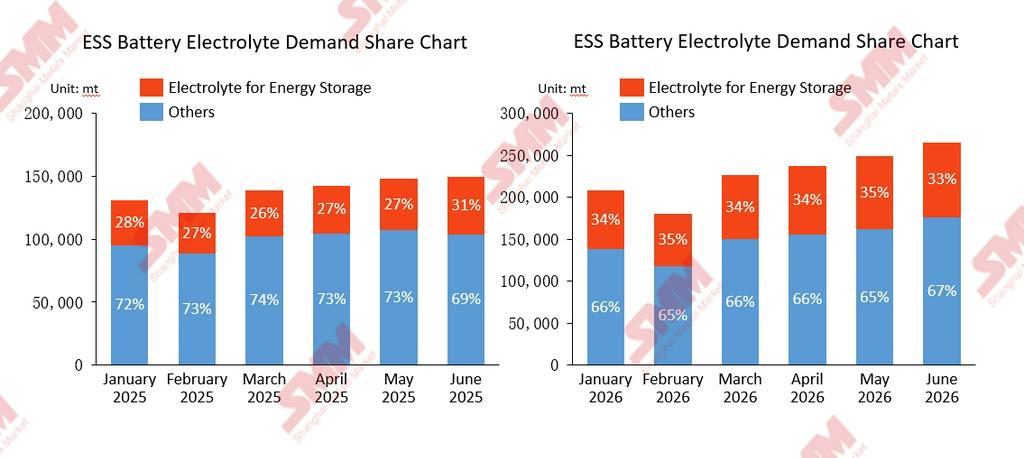
The rapid expansion of the energy storage sector has directly driven a swift rise in demand for lithium battery materials, becoming one of the core forces boosting electrolyte growth. In H1 2026, China's total electrolyte production reached 1.416 million mt, up 56% YoY, with the industry experiencing strong production and sales and a steady recovery in capacity utilization rate. From a demand structure perspective, electrolyte demand growth from the energy storage segment has led by a wide margin. Electrolyte for energy storage accounted for approximately one-third of total demand, with demand surging 104% YoY—significantly outpacing the growth rate of power battery electrolyte—and formally becoming the largest marginal contributor to growth in the electrolyte industry.
From the overall supply-demand pattern, the current capacity of finished electrolyte products is relatively ample. However, structural differentiation at the raw material end is significant; the core additive VC, boosted by high-additive ESS formulations, has seen its supply-demand pattern continue to tighten. As ESS batteries require high cycle life, they drive a higher VC addition ratio. Industry data shows that the VC addition ratio in ESS battery electrolyte is generally above 3%, while for regular power batteries it is only 1%-3%; with the same installed capacity, ESS batteries demand more VC. Against the backdrop of continuously rapid growth in global energy storage demand, VC demand continued to expand. On the supply side, VC capacity release faces extremely rigid constraints. In the earlier period, sluggish industry prices and weak enterprise profitability led to conservative capacity expansion willingness and limited new capacity additions across the industry. Meanwhile, VC production involves high-risk chlorination reactions, placing it in a high-barrier hazardous chemical category; project environmental impact assessments and safety approvals are stringent. The construction period for new projects takes about one and a half years, which, after completion, still requires 3-6 months of process commissioning and capacity ramp-up, making it difficult to quickly release incremental capacity in the short term. Under the combined effect of rapidly growing demand and inelastic supply, the VC market has remained tight in supply and demand, with strong support for high prices, and there will still be further upside room ahead.
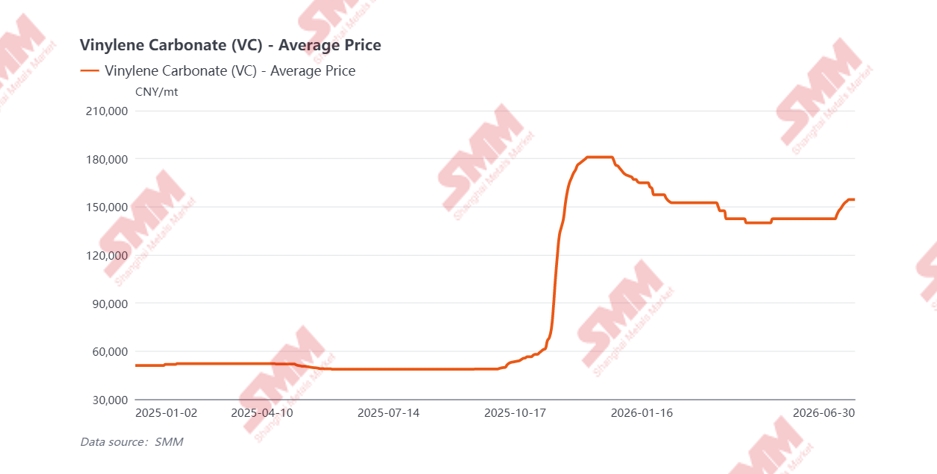
Overall, the ESS sector is fundamentally reshaping the supply-demand structure of electrolyte and upstream materials. In the short term, the high production schedule of ESS battery cells continues, VC new capacity release lags behind demand growth, the industry's tight balance pattern is hard to alleviate quickly, and raw material price resilience is strong. In the medium and long term, the global energy transition continues to advance, ESS installation scale will continue to expand, demand growth for electrolyte and additives has long-term certainty, and continuously improving industry profitability will gradually drive orderly expansion of subsequent capacity, with the industry gradually moving from short-term structural shortage to supply-demand dynamic balance.
Note: If you have any supplements or corrections regarding the details mentioned in this article, please feel free to contact us. Contact information is as follows:
Tel: 021-20707858 Hu Xuejie, Thank you!
SMM New Energy Research Team
Wang Cong 021-51666838
Ma Rui 021-51595780
Feng Disheng 021-51666714
Lyu Yanlin 021-20707875
Zhang Haohan 021-51666752
Wang Zihan 021-51666914
Wang Jie 021-51595902
Xu Yang 021-51666760
Xu Mengqi 021-20707868
Hu Xuejie 021-20707858