Macro Sentiment Suppressed Futures, Stainless Steel Profits Narrowed Amid Raw Material Divergence [SMM Analysis]

Published: May 15, 2026 15:21
[SMM Analysis] Macro Sentiment Weighed on Futures, Stainless Steel Profits Narrowed Amid Raw Material Divergence Stainless steel production costs pulled back this week, and steel mill profits narrowed, with profit divergence driven by differing raw material inventory costs. Using 304 cold-rolled as the calculation benchmark, the profit margin based on current raw material costs was 1.87%, while the profit margin based on low-level inventory raw material costs was 4.48%. Overall industry profitability remained moderate, steel mills maintained high production schedules, and operating rates stayed stable. Nickel-based raw material costs: Nickel-based raw material prices came under pressure this week, largely driven by futures sentiment. SHFE nickel and stainless steel futures declined consecutively, pulling high-grade NPI market prices down in tandem. However, cost support in the NPI industry remained strong, with widespread firm-pricing sentiment across the market. Additionally, high-grade NPI sources with higher nickel content were scarce within the industry, resulting in structural price divergence in NPI, with prices for high-grade NPI above 12% grade remaining firm. As of this Friday, mainstream 10-12% grade high-grade NPI fell 6 yuan per nickel unit, closing at 1,145 yuan/nickel unit. Stainless steel scrap market: Stainless steel scrap prices pulled back this week. SS futures trended weaker, dragging spot prices lower in tandem. Although high-grade NPI also declined, the drop was limited, highlighting the cost advantage of stainless steel scrap. Steel mill smelting profits remained moderate, production schedules stayed high, and procurement demand remained solid. The overall picture showed "weak futures, resilient raw materials...


Stainless steel production costs pulled back this week, and steel mill profits narrowed, with profit divergence driven by different raw material inventory costs. Using 304 cold-rolled as the calculation benchmark, the profit margin based on current raw material costs was 1.87%, while the profit margin based on low-level inventory raw material costs was 4.48%. Overall industry profitability was moderate, steel mills maintained high production schedules, and operating rates remained stable.

Nickel-based raw material costs, nickel-based raw material prices were under pressure this week, largely driven by futures sentiment. SHFE nickel and stainless steel futures declined consecutively, dragging high-grade NPI spot prices down in tandem. However, cost support in the NPI industry remained strong, with widespread firm-pricing sentiment across the market. Additionally, high-grade NPI sources were scarce within the industry, creating structural price divergence — high-grade NPI with grades above 12% held firm. As of this Friday, mainstream 10-12% grade high-grade NPI fell 6 yuan per nickel unit to 1,145 yuan/nickel unit.

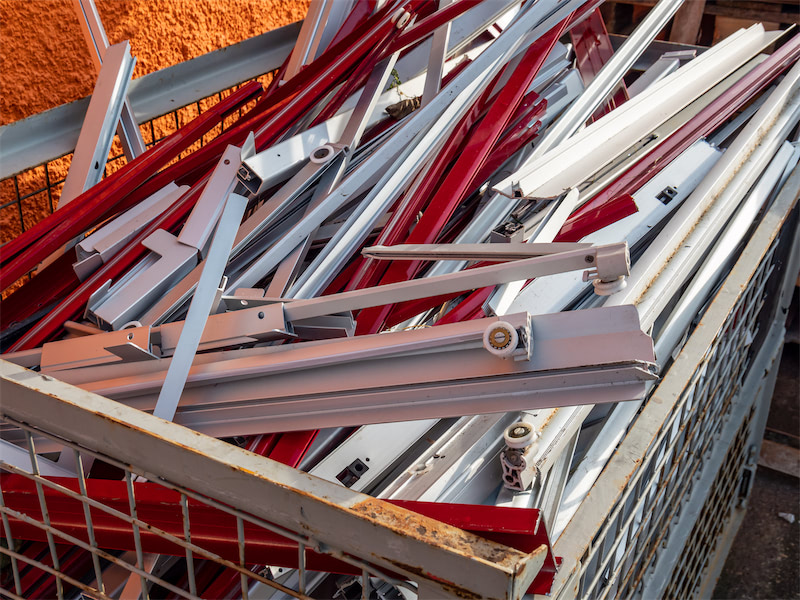
Stainless steel scrap market, stainless steel scrap prices pulled back this week. SS futures trended weaker, dragging spot prices lower in tandem; although high-grade NPI also declined, the drop was limited, highlighting the cost advantage of stainless steel scrap. Steel mill smelting profits were moderate, production schedules stayed high, and procurement demand remained solid. The overall pattern was "weak futures, resilient raw materials, demand underpinning," and prices are expected to hold firm in the near term with limited downside room. As of this Friday, mainstream 304 off-cuts prices in Shanghai fell 200 yuan/mt, with the latest quote at approximately 10,650 yuan/mt.

High-carbon ferrochrome prices pulled back slightly this week, as bearish factors in the industry emerged in concentration. Supply side, China's ferrochrome production continued to stay high, and south China gradually entered the parity and rainy season, with lower hydropower costs supporting production. Raw material side, chrome ore inventory at ports was at historical highs, traders faced significant shipment pressure and proactively offered concessions to move cargo, while ex-China chrome ore futures prices declined, further weakening ferrochrome cost support. Market sentiment, the industry lacked confidence in the outlook, downstream transactions were sluggish, dragging ferrochrome prices steadily lower. As of this Friday, mainstream high-carbon ferrochrome prices in Inner Mongolia fell 25 yuan/mt (50% metal content) WoW to 8,375 yuan/mt (50% metal content).

Data Source Statement: Except for publicly available information, all other data are processed by SMM based on publicly available information, market communication, and relying on SMM‘s internal database model. They are for reference only and do not constitute decision-making recommendations.

For any inquiries or to learn more information, please contact: lemonzhao@smm.cn
For more information on how to access our research reports, please contact:service.en@smm.cn
Related News
Data: SHFE, DCE market movement (May 15)
6 mins ago
Data: SHFE, DCE market movement (May 15)
Read More
Data: SHFE, DCE market movement (May 15)
The following table shows the ferrous and nonferrous metals movement on the SHFE and DCE on 15 May , 2026
6 mins ago
Weak Futures Dragged Down Stainless Steel Scrap, Cost Advantages Underpinned the Market [SMM Stainless Steel Scrap Market Weekly Review]
34 mins ago
Weak Futures Dragged Down Stainless Steel Scrap, Cost Advantages Underpinned the Market [SMM Stainless Steel Scrap Market Weekly Review]
Read More
Weak Futures Dragged Down Stainless Steel Scrap, Cost Advantages Underpinned the Market [SMM Stainless Steel Scrap Market Weekly Review]
[SMM Stainless Steel Scrap Market Weekly Review] Weak Futures Dragged Down Stainless Steel Scrap, Cost Advantages Underpinned the Market This week, prices of 304 stainless steel scrap off-cuts in east China pulled back, with the quotation range at 10,600-10,700 yuan/mt; prices of the same-spec stainless steel scrap off-cuts in Foshan held steady, with the price range at 10,400-10,700 yuan/mt. From a raw material production cost perspective, the cost of producing stainless steel entirely from stainless steel scrap was approximately 14,821.71 yuan/mt, while the cost of production entirely using high-grade NPI reached 15,173.94 yuan/mt. Stainless steel scrap prices declined and pulled back this week. SS futures were generally in the doldrums, with futures continuously under pressure, which in turn transmitted to the spot market, driving spot stainless steel finished product prices to pull back in tandem. The alternative raw material high-grade NPI also declined simultaneously, but its own raw material fundamentals remained relatively firm, limiting the price drop. As stainless steel spot prices trended downward, steel mills still retained certain smelting profits, production willingness stayed high, and steel mill production schedules showed no reduction. Meanwhile, with the limited decline in high-grade NPI, the cost advantages of stainless steel scrap relative to high-grade NPI became more prominent during the week. Even though industry tax invoice issues persisted, they did not affect steel mills' procurement pace, and procurement demand for stainless steel scrap with better cost advantages remained solid. Overall, the stainless steel scrap market this week exhibited a pullback pattern characterized by "weak futures, resilient raw materials, and demand underpinning." Bearish futures dominated the short-term trend, but rigid demand and cost price spread advantages formed strong support. Tax invoices...
34 mins ago
[SMM Stainless Steel Daily Review] Macro Disturbances Dragged Down SS Futures, Low Inventory Pressure and Rigid Demand Supported Stainless Steel Spot Prices
4 hours ago
[SMM Stainless Steel Daily Review] Macro Disturbances Dragged Down SS Futures, Low Inventory Pressure and Rigid Demand Supported Stainless Steel Spot Prices
Read More
[SMM Stainless Steel Daily Review] Macro Disturbances Dragged Down SS Futures, Low Inventory Pressure and Rigid Demand Supported Stainless Steel Spot Prices
[SMM Stainless Steel Daily Review] Macro Disturbances Dragged Down SS Futures, Low Inventory Pressure and Rigid Demand Supported Stainless Steel Spot Prices
[SMM Stainless Steel Daily Review] Macro Disturbances Dragged SS Futures Lower; Low Inventory Pressure and Rigid Demand Supported Stainless Steel Spot Prices SMM, May 15 — SS futures continued to be in the doldrums. Non-ferrous metal futures extended the previous day's decline, and SS also fluctuated downward in tandem. As of the morning close, the most-traded SS contract was quoted at 14,825 yuan/mt. Spot market side, dragged by the persistently weak SS futures, stainless steel spot prices pulled back in tandem. However, stainless steel social inventory has been on an overall downward trend recently, and traders faced relatively small shipment pressure. Market confidence remained stable, and price declines were relatively limited. The most-traded SS contract fell and pulled back. At 10:15 AM, SS2605 was quoted at 14,890 yuan/mt, down 60 yuan/mt from the previous trading day. Spot premiums for 304/2B in the Wuxi area were in the range of 380-680 yuan/mt. In the spot market, the average price of cold-rolled 201/2B coils in Wuxi remained flat; for cold-rolled untrimmed 304/2B coils, the average price in Wuxi fell 100 yuan/mt, and the average price in Foshan fell 100 yuan/mt; cold-rolled 316L/2B coils in the Wuxi area held steady; hot-rolled 316L/NO.1 coils were quoted stable in Wuxi; cold-rolled 430/2B coils in both Wuxi and Foshan held steady. The stainless steel market was dragged by the weak and volatile futures, with notable downward pressure, but overall spot price declines remained limited, highlighting the divergence between futures and spot. Downstream end-users adopted a cautious wait-and-see stance due to macro uncertainties, with no concentrated restocking observed. However, rigid demand purchases remained solid, and the resilience of rigid demand provided a foundation for spot prices...
4 hours ago