

China's Aluminum Processing Rates Steady at 64.7%; Demand Recovery and Supply Constraints Noted
This week, the weekly operating rate of leading downstream aluminum processing enterprises in China was flat MoM at 64.7%. such as can stock, energy storage, and automobiles. However, aluminum prices fluctuated at highs, exports to the Middle East were impeded, and some end-use consumption recovered less than expected, limiting upside room for the operating rate. The industry exhibited the characteristics of “steady with progress and structural divergence.”
Primary Aluminum Alloy: This week, the operating rate of primary aluminum alloy rose 0.5 percentage points WoW to 56.8%, and the industry as a whole remained in an upward phase. Downstream demand recovered somewhat, providing support for operating rates and lifting industry operating levels slightly. However, aluminum prices continued to fluctuate at highs, and together with demand growth falling short of expectations, this constrained further increases in operating rates, making the growth pace somewhat uneven. Outside China, affected by geopolitical conflicts, primary aluminum alloy supply was relatively tight, providing some support to the market. Overall, the operating rate of the primary aluminum alloy industry is expected to continue edging up next week.
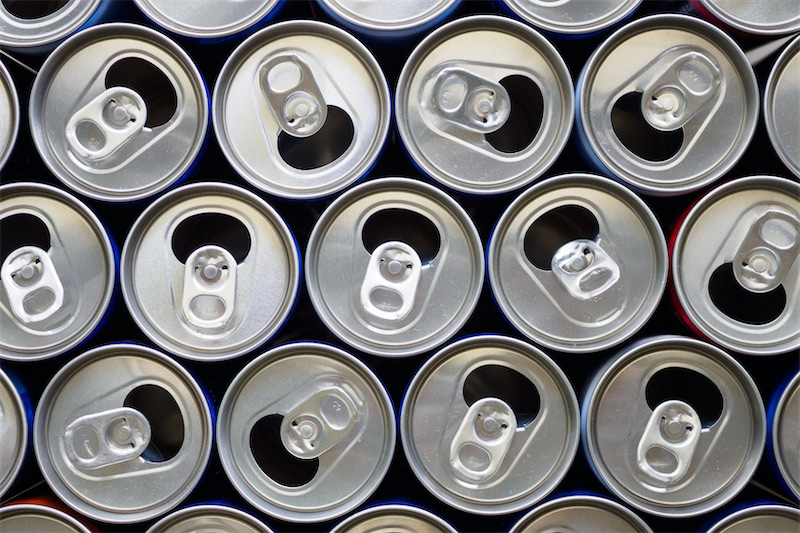
Aluminum Plate/Sheet and Strip: This week, the operating rate of leading aluminum plate/sheet and strip enterprises was 73%. On the order side, China’s end-use packaging demand for can stock was robust and orders on hand were sufficient, but negotiations over can stock processing fees remained in stalemate. Orders for automotive sheets & plates showed a pattern of “improving MoM, weak YoY.” According to CAAM data, in Q1 China’s declines in auto production and sales narrowed, releasing positive signals, and YoY automotive-related sheets & plates orders recovered. Energy storage end-use demand remained robust. In April, overall shipments in the energy storage industry maintained growth; top-tier battery cell enterprises kept operating rates high; long-term contract orders locked in most capacity; and spot order deliveries were tight, providing steady support for aluminum plate/sheet and strip materials such as battery casings and brazing sheets used in energy storage. On exports, the Middle East situation remained unclear, and the Strait of Hormuz had not substantively reopened; orders from the Middle East were on hold. However, export orders to Southeast Asia performed better YoY, partially offsetting the impact of stalled Middle East exports. In the short term, supported by demand from can stock and energy storage, together with a gradual recovery in automotive sheets & plates orders, the aluminum plate/sheet and strip market is set to maintain a steady upward trend.
Aluminum Wire and Cable: This week, the weekly operating rate of China’s aluminum wire and cable industry rose to 67.2%, down 0.4 percentage points WoW. Although the aluminum wire and cable industry remained in its peak season, after the earlier demand peak, enterprises had replenished finished product inventories and orders entered a stable phase, with operating rates in some regions edging down. However, feedback from top-tier enterprises indicated that full-load operations would continue through June, with expectations for sustained order support remaining favorable. Downside room for capacity utilization was relatively limited, and the operating rate of aluminum wire and cable is expected to stay high.
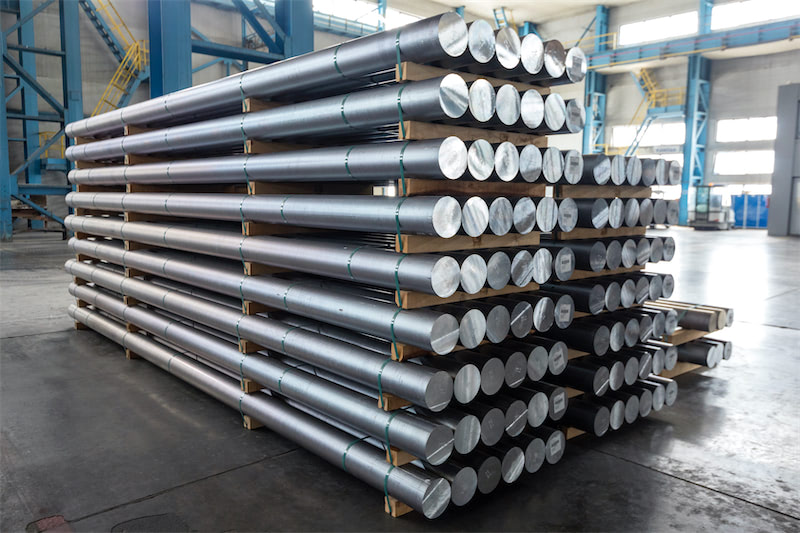
Aluminum Extrusion: This week, the operating rate of China’s aluminum extrusion industry was 57%, unchanged from last week. By segment, construction extrusion was generally weak. According to feedback from enterprises in Hunan, construction extrusion saw no additional increase in new orders this week, and the recovery in end-use demand fell short of expectations. For industrial extrusion, PV extrusion demand was broadly steady this week. The automotive and energy storage segments continued to show solid demand, and the operating pace of related production lines was stable this week. Looking ahead, industrial extrusion for NEVs and energy storage will continue to provide solid support for industry demand, but in the short term, aluminum prices fluctuating at highs will keep suppressing downstream enterprises’ purchase willingness and, in the short term, will exert downward pressure on aluminum extrusion operating rates.
Aluminum Foil: This week, the operating rate of leading aluminum foil enterprises was 75%. On the order side, demand for food packaging foil and pharmaceutical foil remained in peak season, stabilizing the base for operating rates. Single zero foil orders were sufficient and output efficiency was high, with April production schedule expectations strengthening. As some double zero foil capacity shifted to battery foil production, actual operating capacity decreased; coupled with tight global aluminum semis supply, expectations for packaging foil exports strengthened and export orders increased. Battery foil demand was driven by growth in the energy storage industry, keeping overall demand robust. However, air-conditioner foil remained under pressure: blocked exports of complete air-conditioner units to the Middle East, together with a slight decline in April production schedules for household air conditioner domestic sales, weighed on production schedules, dragged by factors including a fading effect from national subsidies, high raw material prices, and sluggish real estate completions. In the short term, supported by demand from packaging and energy storage, aluminum foil operating rates are expected to remain steady.
Secondary Aluminum: This week, the operating rate of leading enterprises pulled back 0.2 percentage points WoW to 59.1%, with production pace slowing slightly, mainly dragged by weaker demand. Downstream enterprises generally maintained restocking for rigid demand and showed low willingness to accept high-priced supply. Trading volume showed no clear improvement during the week, and overall market trading sentiment was subdued. Some enterprises reported that new orders were still insufficient; the recovery pace of end-use consumption continued to lag expectations, and competitive bidding pressure remained high. On the cost side, primary aluminum prices held up well this week, pushing up production costs; some producers raised quotations accordingly. However, constrained by weak demand follow-through, finished product price increases were clearly weaker than on the aluminum scrap side, and industry profit margins remained under pressure and continued to narrow. In the short term, operating rates still face downward pressure, and the dual drag of insufficient orders and narrowing profits will continue to constrain enterprises’ production enthusiasm.
Data Source Statement: Except for publicly available information, all other data are processed by SMM based on publicly available information, market communication, and relying on SMM‘s internal database model. They are for reference only and do not constitute decision-making recommendations.
For any inquiries or to learn more information, please contact: lemonzhao@smm.cn
For more information on how to access our research reports, please contact:service.en@smm.cn
Related News
13 hours ago
BoE Governor Signals Dovish Stance, Tolerating Inflation Above 2% Amid Economic Weakness
Read More
BoE Governor Signals Dovish Stance, Tolerating Inflation Above 2% Amid Economic Weakness
Bank of England Governor Bailey sent a clearly dovish signal. He noted that given the current economic weakness, the central bank could tolerate inflation exceeding the 2% target for a period of time. This remark significantly lowered market expectations for a rate hike in June. However, Bailey also warned that once signs of second-round effects emerged, the central bank's tolerance for inflation would diminish accordingly.
13 hours ago
13 hours ago
Eurozone Inflation Surges, ECB Signals Likely Rate Hikes in June and Beyond
Read More
Eurozone Inflation Surges, ECB Signals Likely Rate Hikes in June and Beyond
The eurozone was facing a broad-based intensification of inflationary pressures. Specifically, the Consumer Price Index (CPI) in France and Spain rose 2.8% and 3.6% YoY in May, respectively, both hitting their highest levels since 2024. Meanwhile, Italy's inflation rate climbed to 3.3%, reaching its peak since 2023, while Germany's core inflation also accelerated to 2.5%. Against this backdrop, ECB Governing Council member Simkus noted that a rate hike in June was almost a foregone conclusion, and that further rate hikes would "very likely" be needed thereafter.
13 hours ago
13 hours ago
Fed Officials Diverge on Impact of Middle East Conflict on Inflation and Rate Hike Necessity
Read More
Fed Officials Diverge on Impact of Middle East Conflict on Inflation and Rate Hike Necessity
US Fed Vice Chair Bowman noted that it was still too early to judge the impact of the Middle East conflict on US inflation, and that temporary price shocks should be overlooked. However, Kansas City Fed President Schmid argued that it was difficult to continue viewing the current energy price shock as a "transitory" factor, and that officials needed to clearly express their willingness to take necessary measures to maintain price stability. The Fed's Kashkari stated that it was too early to determine whether rate hikes were needed, and that all possible policy options should be kept open. Fed official Paulsen said there had been no structural change in inflation.
13 hours ago
Related News
BoE Governor Signals Dovish Stance, Tolerating Inflation Above 2% Amid Economic Weakness
May 30, 2026 18:32
Eurozone Inflation Surges, ECB Signals Likely Rate Hikes in June and Beyond
May 30, 2026 18:31
Fed Officials Diverge on Impact of Middle East Conflict on Inflation and Rate Hike Necessity
May 30, 2026 18:30
Trump Reiterates Stance on Iran, Decision Pending Amid Nuclear and Strait of Hormuz Talks
May 30, 2026 18:26
Register to Continue Reading
Gain access to the latest insights in metals and new energy
Already have an account?sign in here