Northeastern University Develops More Efficient Rare Earth Extraction Method

Published: Apr 2, 2026 12:31
Researchers at Northeastern University have introduced a new technique that can double the efficiency of rare earth element extraction.

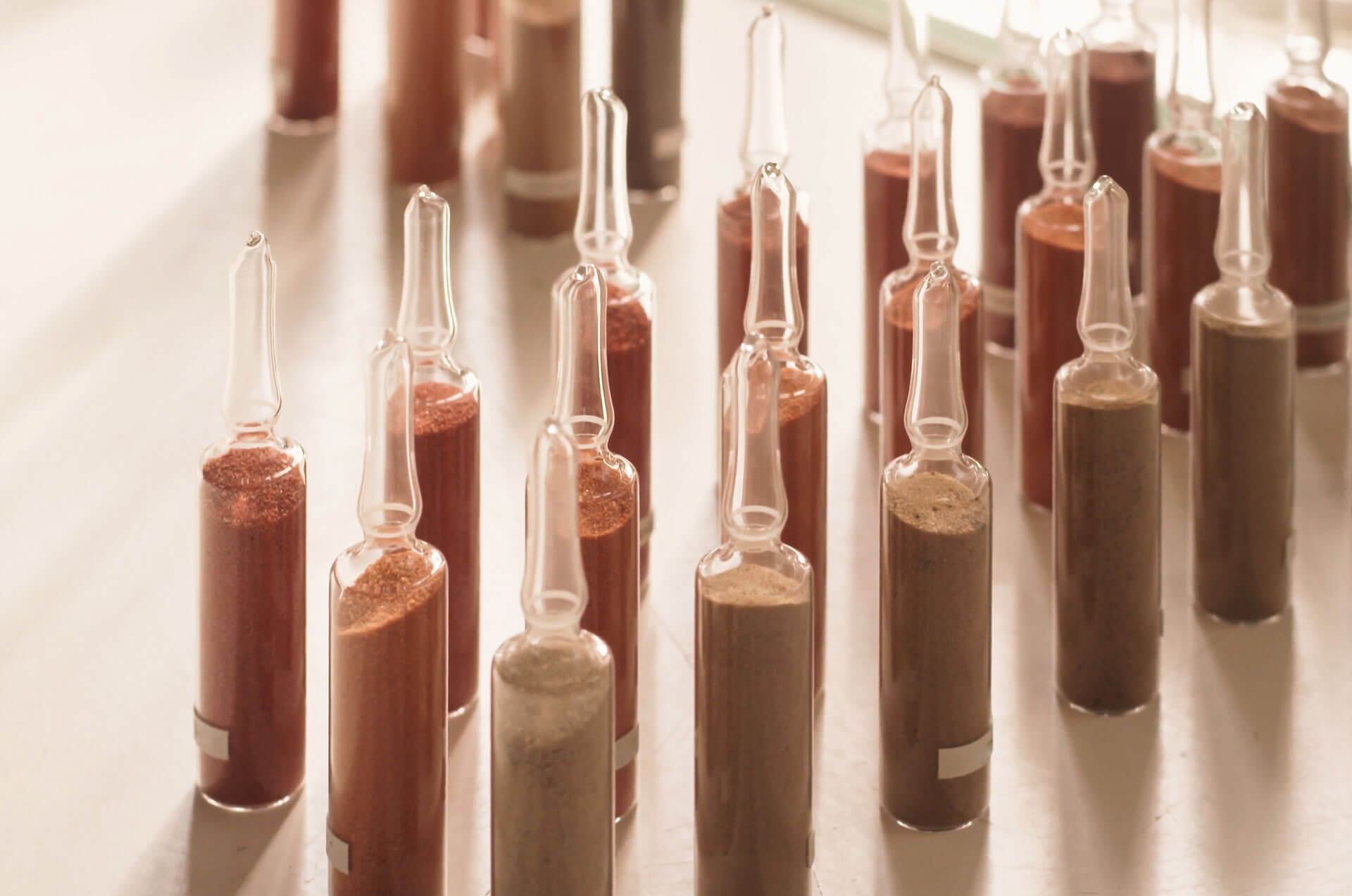
The study reveals a method for recovering rare earth elements from coal tailings, waste materials left after mining, using chemical treatment combined with a specially designed microwave reactor for precise temperature control. This approach achieves extraction rates two to three times higher than previous methods.

Data Source Statement: Except for publicly available information, all other data are processed by SMM based on publicly available information, market communication, and relying on SMM‘s internal database model. They are for reference only and do not constitute decision-making recommendations.

For any inquiries or to learn more information, please contact: lemonzhao@smm.cn
For more information on how to access our research reports, please contact:service.en@smm.cn
Related News
New Rare Earth Magnet Recycling Facility Opens in West Midlands on Jan 15
2 hours ago
New Rare Earth Magnet Recycling Facility Opens in West Midlands on Jan 15
Read More
New Rare Earth Magnet Recycling Facility Opens in West Midlands on Jan 15
A new rare earth magnet recycling plant has been launched in the West Midlands, strengthening the UK’s position in rare earth recycling sector. The facility, developed by the University of Birmingham and officially opened on 15 January, focuses on separating and recycling rare earth magnets, helping reduce the UK’s dependence on imported rare earth materials, alloys, and magnets.
2 hours ago
USA Rare Earth to Start Commercial Magnet Shipments in April, Aiming for 1,200 mt Annual Capacity by 2027
23 hours ago
USA Rare Earth to Start Commercial Magnet Shipments in April, Aiming for 1,200 mt Annual Capacity by 2027
Read More
USA Rare Earth to Start Commercial Magnet Shipments in April, Aiming for 1,200 mt Annual Capacity by 2027
USA Rare Earth will begin commercial shipments of magnets in April. According to a company statement, the first rare earth magnet production line at its Stillwater, Oklahoma facility has been put into operation and is expected to reach full capacity of 600 mt per year by month-end December. In January this year, USA Rare Earth signed a non-binding agreement with the US Department of Commerce and planned to receive $1.6 billion in funding support to build a mine, thereby providing raw material for its magnet production. USA Rare Earth said that by 2027, the capacity of its Oklahoma magnet plant should reach 1,200 mt per year.
23 hours ago
Appia Advances Rare Earths and Uranium Projects in Canada and Brazil, Focusing on EV and Clean Energy Materials
Apr 1, 2026 14:14
Appia Advances Rare Earths and Uranium Projects in Canada and Brazil, Focusing on EV and Clean Energy Materials
Read More
Appia Advances Rare Earths and Uranium Projects in Canada and Brazil, Focusing on EV and Clean Energy Materials
Appia Rare Earths & Uranium Corp. (CSE: API) is advancing its diversified portfolio of rare earth element (REE) and uranium projects in Canada and Brazil, providing materials critical to electrification and clean energy technologies. The company is particularly focused on magnetic rare earths such as neodymium and praseodymium, which are key raw materials for EVs, wind turbines, advanced electronics, as well as uranium. Its flagship Alces Lake project, located in Saskatchewan, hosts high-grade monazite mineralization, with reported total rare earth oxide (TREO) grades of up to 50%. The mineralization occurs at or near surface, enhancing potential economic feasibility and benefiting from proximity to the Saskatchewan Research Council's processing facilities.
Apr 1, 2026 14:14