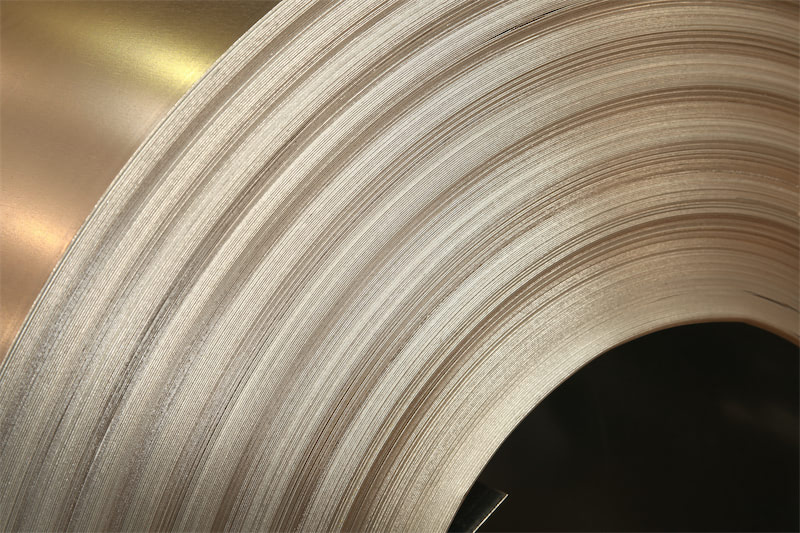
On March 12, Norsk Hydro announced a significant revision: QatarEnergy confirmed that gas supply would continue, albeit at reduced levels. As a result, Qatalum ceased further curtailments and stabilized operations at approximately 60% of nameplate capacity (equivalent to roughly 390,000 tonnes annually or 32,500 tonnes monthly). This adjustment allows the smelter to maintain “warm” electrolytic pots, avoiding the severe technical and financial risks associated with a complete freeze, which could require 6–12 months for a safe and full restart, alongside substantial costs and potential long-term asset impairment.
The change from a planned full shutdown to partial operation represents prudent risk management. It enables continued production of primary aluminum, supports local stockpiling, preserves workforce continuity, and positions the facility for a more rapid return to higher utilization rates should external conditions improve.
However, the practical impact on global aluminum, alumina, and bauxite supply chains remains limited in the near term. The primary constraint continues to be the Strait of Hormuz, effectively closed to normal commercial traffic since Iran’s Revolutionary Guard declared the strait off-limits on March 2, 2026, amid heightened regional hostilities. Shipping data indicate sharply reduced tanker and bulk carrier movements, widespread diversions, and only sporadic high-risk transits.
This blockade affects Qatalum in two critical ways:
-
Exports of finished primary aluminum remain severely restricted. Produced metal accumulates at the Mesaieed facility rather than being shipped to key consuming regions in Europe, North America, and Asia. Force majeure declarations on customer contracts remain in place.
-
Imports of essential raw materials—primarily alumina (approximately two tonnes required per tonne of aluminum produced) and bauxite—are similarly disrupted. Cargoes from major suppliers in Australia, Guinea, and Brazil face rerouting or delays, limiting the smelter’s ability to sustain even reduced output over an extended period. While the 60% rate conserves existing inventories (typically covering weeks to months at full capacity), prolonged restrictions could necessitate further reductions.
The Gulf region as a whole, accounting for approximately 9% of global primary aluminum capacity (around 23% excluding China), faces comparable challenges. Comparable facilities, such as Alba in Bahrain, have also declared force majeure, while others, including EGA in the UAE, report mounting logistical pressures.
In the broader market context, London Metal Exchange aluminum prices have reached four-year highs (recently in the $3,400–3,500 per tonne range), supported by low visible stocks and elevated regional premiums in Europe, the United States, and Asia ex-China. The Qatalum adjustment provides no material addition to exportable supply and does not alleviate upstream feedstock constraints.
Beyond these core inputs, the facility's entire auxiliary material supply chain is also import-dependent and increasingly strained. Qatalum relies on sustained inflows of:
-
Carbon anodes (or petroleum coke and coal tar pitch for on-site anode production)
-
Aluminum fluoride (a critical electrolytic bath additive, largely sourced from China and Europe)
-
Cathode materials for pot relining
-
Refractory materials and spent pot lining treatment consumables
-
Industrial gases and process chemicals
Most of these auxiliary inputs typically arrive via containerized cargo or specialized vessels through the Gulf. With the Hormuz closure, these supply lines have been disrupted or severed entirely. Even with gas supply assured and alumina inventories sufficient for near-term operations, shortages of these ancillary materials could independently force additional production cuts within weeks. Some critical consumables have limited regional stockpiles and no immediate alternative sourcing routes.
For industrial consumers and traders, the outlook includes sustained premium elevation, potential allocation constraints on Gulf-origin material, and continued price volatility tied to developments in the Strait of Hormuz. While China’s domestic production and imports from Russia offer partial insulation, the overall tightness in the global aluminum chain persists.
In summary, Qatalum’s transition from a full shutdown scenario to stable 60% operation is a strategically sound decision that mitigates downside risks and enhances long-term recoverability. However, given the overriding impact of the Hormuz disruption on both outbound product flows and inbound raw material logistics, the change delivers limited near-term relief to global supply availability or pricing dynamics. Resolution will depend primarily on the restoration of secure maritime access through the strait.
![[SMM Aluminum Flash News] Rising UK Aluminium Scrap Exports Raise Concerns Over Domestic Supply Security](https://imgqn.smm.cn/usercenter/LFPBA20251217171653.jpg)
![[SMM Aluminum Flash News] UK Scrap Aluminium Sector Needs 25% Annual Growth to Meet Future Demand](https://imgqn.smm.cn/usercenter/EVjRH20251217171653.jpg)