【SMM Analysis】 This week, Pr-Nd alloy prices initially fell and then rose, now stabilizing in the range of 980,000-1 million yuan/mt. This price fluctuation was primarily driven by the impact of news factors on market sentiment.
At the beginning of the week, news factors led to a sharp decline in Pr-Nd oxide futures prices. Consequently, some spot oxide traders, losing confidence in future prices, proactively cut prices to sell off Pr-Nd oxide, causing a significant pullback in its prices. Meanwhile, downstream magnetic material enterprises adopted a wait-and-see approach, reducing their procurement of Pr-Nd alloy and making only tentative inquiries. With raw material costs lacking support and insufficient downstream procurement demand, some metal traders reduced prices to move shipments, and quotations were lowered accordingly.
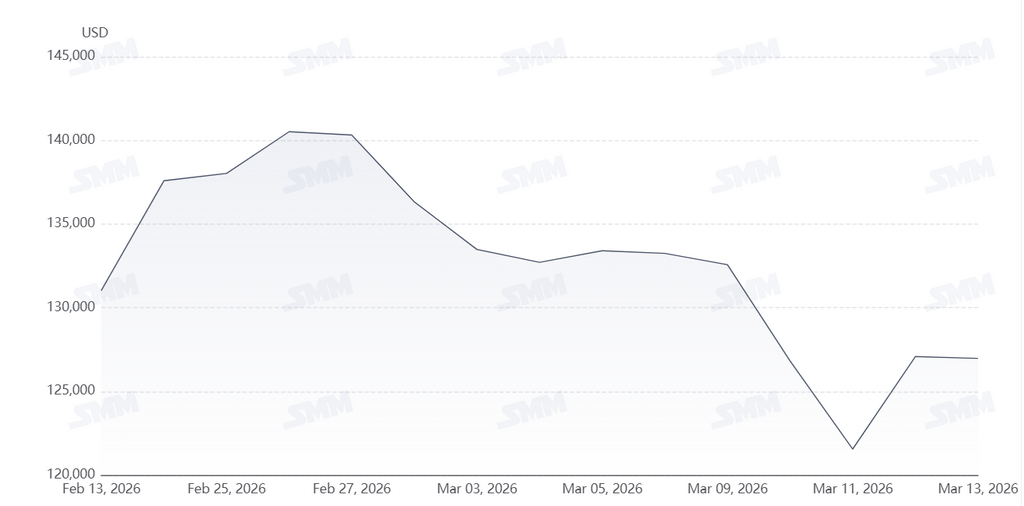
However, as raw material prices continued to decline, the cost pressure on metal enterprises' inventory gradually increased, reducing their willingness to sell. Most metal enterprises chose to suspend quotations or maintained them at a relatively high level. As market sentiment gradually recovered, low-priced oxide supplies became increasingly tight, and upstream suppliers raised their quotations, providing strong cost support for Pr-Nd alloy prices. At the same time, given the relatively tight spot supply of Pr-Nd alloy, metal enterprises faced minimal sales pressure and showed little inclination to cut prices, keeping quotations firm and driving Pr-Nd alloy prices to begin rebounding.
Currently, end-users have not yet placed orders on a concentrated basis, and magnetic material enterprises are mainly procuring to meet rigid demand and replenish inventory, with limited capacity to accept high-priced metal. Therefore, Pr-Nd alloy prices remain stable. In the short term, stockpiling plans for April to May by motor factories and end-users are about to begin, and the rigid restocking demand is significant, which will prompt downstream magnetic material enterprises to start building positions and stockpiling. Meanwhile, as the spot supply of Pr-Nd alloy remains tight, metal enterprises still show weak willingness to cut prices for shipments. Pr-Nd alloy prices are expected to maintain a steady upward trend. In the medium and long term, the fundamental tight balance in Pr-Nd oxide supply and demand has not changed, and coupled with continuously improving end-use demand, bullish sentiment remains strong, leaving room for further recovery in Pr-Nd prices.


![Rare Earth Prices Hold Up Well, and Market Inquiry Activity Increases [SMM Rare Earth Weekly Review]](https://imgqn.smm.cn/usercenter/AJTtH20251217171744.jpg)