

Silver Prices See V-Shaped Reversal During 2026 Chinese New Year, Driven by Global Factors and Trade Tensions
During the Chinese New Year holiday, international silver prices initially declined then rebounded, driven by fluctuating US tariff policies and Middle East geopolitical tensions. By February 23 close, London spot silver reached $88.17/oz, up 13.8% from pre-holiday levels. Post-holiday Chinese spot market diverged...
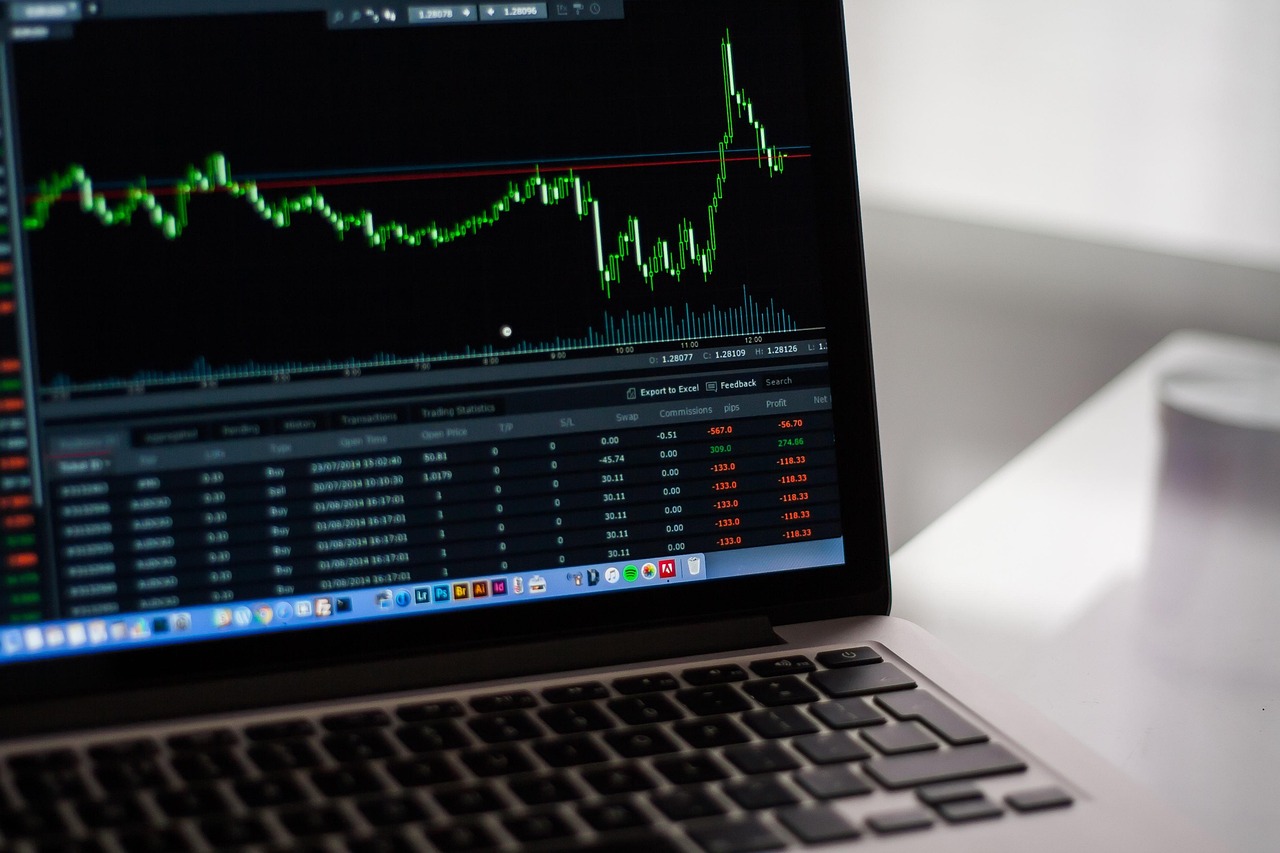
During the 2026 Chinese New Year holiday (February 13–23), international silver prices were influenced by multiple factors, including US macroeconomic policies and geopolitical conflicts in the Middle East, showing a V-shaped trend of first declining and then rising. As of the close on February 23, the spot silver price in London was $88.17 per ounce, up 13.8% from the pre-holiday closing price of $77.46 per ounce on February 13.
The trend unfolded in two phases: Before the holiday, a decline in US stocks combined with shrinking market liquidity led overseas precious metals to continue falling in the early part of the week, with silver and platinum once falling below the 60-day moving average and gold dropping below the 20-day moving average. Subsequently, weaker-than-expected US Q4 GDP growth prompted a rebound in precious metals, halting the decline. On Friday, February 21, the US Supreme Court ruled to repeal most tariffs previously imposed by the Trump administration. However, Trump immediately announced an additional 10% tariff on all global imports to the US within the next 150 days, sparking market concerns over escalating trade friction and an economic slowdown. Coupled with the deadlock in US-Iran negotiations potentially worsening the situation in the Middle East, rising risk aversion drove a significant intraday surge in precious metals, with silver leading the gains and recovering all earlier losses.
II. Domestic Supply: Smelters Maintain Stable Production During the Holiday, Post-Holiday Destocking Accelerates
On the supply side, copper, lead, and zinc smelters maintained normal production during the 2026 Chinese New Year holiday, ensuring stable refined silver supply. Large-scale downstream processing enterprises, such as those producing silver nitrate and alloys, generally suspended operations for the holiday. Only a few small and medium-sized silver-based material, jewelry enterprises, and some industrial users with urgent orders remained operational. Holiday factors, combined with high silver prices and high premiums, led to a temporary overall stagnation in downstream consumption.
Although many smelters reported seasonal accumulation of in-factory inventory after the holiday, the destocking speed in 2026 was significantly faster than in previous years. Some manufacturers transferred in-factory inventory to social warehouses for delivery or sold directly at market premiums on the first trading day after the holiday. Smelter inventory levels are expected to gradually return to a safe range.
III. Downstream Demand: Investment Demand Recovers, Industrial Consumption Remains CautiousDemand side showed structural divergence. Investment demand side, although gold and silver import tariffs were exempted, the impact of policies on US dollar assets and the boost in safe-haven allocation demand both benefited gold and silver prices, and the market continued to reprice Trump's tariff policies. In the spot market, physical investment demand might trigger stockpiling buying again due to price increases; some downstream enterprises expected to purchase physical goods from the exchange after the delivery of SHFE's February contract, adopting a cautious wait-and-see attitude toward the current high premium quotes.
Industrial consumption side, the wild swings in silver prices in early 2026 and the liquidity pressure from hedging caused by the exchange's margin hike forced silver-containing material processing enterprises to face a dilemma: either take orders at the break-even point to maintain customer relationships, or halt production to cut losses. Although downstream enterprises resumed normal operations after the holiday, most industrial enterprises basically did not take on new orders during the holiday period. After the holiday, orders for silver nitrate and electronic and electrical intermediate processing products were expected to be weak, while spot transactions were mainly dominated by the rapid recovery of investment-type jewelry and silver bar processing. Industrial end-users showed low acceptance of the current high prices and high premiums, with cautious ordering willingness.
IV. Market Outlook
After the holiday, the precious metals market showed a pattern of localized hotness and overall sluggishness. In addition to continuing to focus on macro policy disturbances and geopolitical changes, two key factors need special attention this week: first, the changes in spot premiums after the delivery of SHFE's front-month contract; second, whether there will be renewed price anomaly risks against the backdrop of low overseas COMEX inventory levels.
Data Source Statement: Except for publicly available information, all other data are processed by SMM based on publicly available information, market communication, and relying on SMM‘s internal database model. They are for reference only and do not constitute decision-making recommendations.
For any inquiries or to learn more information, please contact: lemonzhao@smm.cn
For more information on how to access our research reports, please contact:service.en@smm.cn
Related News

Apr 3, 2026 16:39
Analysts see silver at $90 and gold at $5,000 per ounce by the end of the year
Read More
Analysts see silver at $90 and gold at $5,000 per ounce by the end of the year
The gold price set a technical signal last week while providing fresh fuel for the debate over its future direction.
Apr 3, 2026 16:39

Apr 2, 2026 14:07
Gold and Silver Plunge: Spot Silver Down 6%, Gold Falls Below $4,600/Ounce
Read More
Gold and Silver Plunge: Spot Silver Down 6%, Gold Falls Below $4,600/Ounce
This afternoon, gold and silver plunged rapidly. Among them, spot silver extended its intraday decline to 6%, quoted at $70.37 per ounce. Spot gold fell below $4,600 per ounce, down more than 3%.
Apr 2, 2026 14:07

Mar 30, 2026 17:56
Baiyin Launches $950M Project for 800mt/yr Silver Powder & Paste, Targeting $9B Revenue
Read More
Baiyin Launches $950M Project for 800mt/yr Silver Powder & Paste, Targeting $9B Revenue
Construction Content
The project is planned to build a production site for PV and electronic-grade new materials centered on high-purity silver powder and silver paste, supported by intensive precious metal processing and the development of cultural and creative derivative products. Main products include high-purity silver powder (200 mt/year), silver ingots (200 mt/year), PV silver paste (200 mt/year), and silver jewelry cultural and creative products (200 mt/year), with total output value exceeding 9 billion yuan.
The technology process adopts efficient electrorefining, with silver purity reaching above 99.995% (up to 6N grade), supporting high-end applications such as semiconductor bonding wires and superconducting materials.
Mar 30, 2026 17:56
Related News
Analysts see silver at $90 and gold at $5,000 per ounce by the end of the year
Apr 03, 2026 16:39
Gold and Silver Plunge: Spot Silver Down 6%, Gold Falls Below $4,600/Ounce
Apr 02, 2026 14:07
Baiyin Launches $950M Project for 800mt/yr Silver Powder & Paste, Targeting $9B Revenue
Mar 30, 2026 17:56
DKEM Reported a Swing from Profit to Loss in 2025, with Net Profit at -276 million yuan
Mar 30, 2026 17:53
Register to Continue Reading
Gain access to the latest insights in metals and new energy
Already have an account?sign in here