The coefficient of low-grade zinc oxide has first fallen and then risen since the first half of 2025. How will it perform in H2? [SMM Analysis]

Published: Jul 3, 2025 14:22
[How will the price of low-grade zinc oxide perform in H2 after a fall and then a rise in its coefficient in the first half of 2025?] In H1, the price of low-grade zinc oxide fell slightly in Q1 and then rose consecutively in Q2. With the increasing market demand for secondary zinc, how will the price of low-grade zinc oxide perform in H2?

SMM News on July 3:

In the first half of the year, the price of low-grade zinc oxide saw a slight decline in Q1, followed by consecutive increases in Q2. The demand for secondary zinc in the market also rose. How will the price of low-grade zinc oxide perform in the second half of the year?
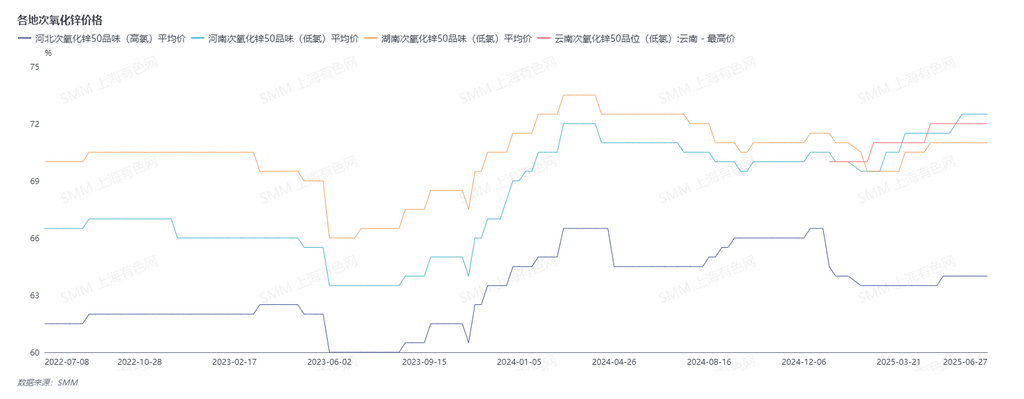
 

In Q1, the demand from real estate and infrastructure projects was weak, and the downstream winter stockpiling situation was not ideal. Steel mills extended their Chinese New Year break, leading to a decrease in the overall supply of steel ash. However, in March, steel mill profits were moderate, and production willingness was high, with no reduction in steel ash production. But as the recycling capacity of steel mills increased, the zinc grade of steel ash decreased. Throughout Q1, there was a relative shortage of low-grade zinc oxide raw materials, but low-grade zinc oxide producers had some raw material inventory, allowing for normal production during the Chinese New Year break. Additionally, zinc prices remained at a relatively high level, and low-grade zinc oxide enterprises had a strong willingness to sell. Also affected by the holiday break, most secondary zinc producers had holiday arrangements and prepared raw materials in advance for production after the holiday. The tight ore situation at smelters was alleviated, and the demand for zinc oxide decreased, leading to a slight decline in the price of low-grade zinc oxide in Q1.
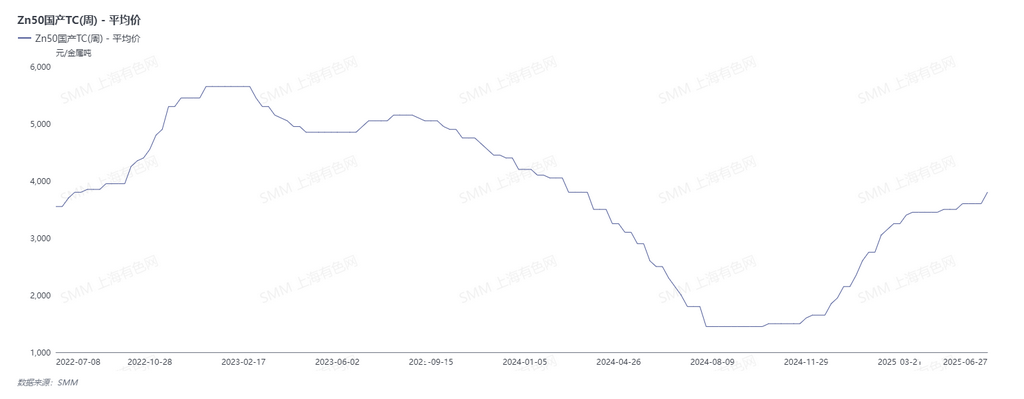
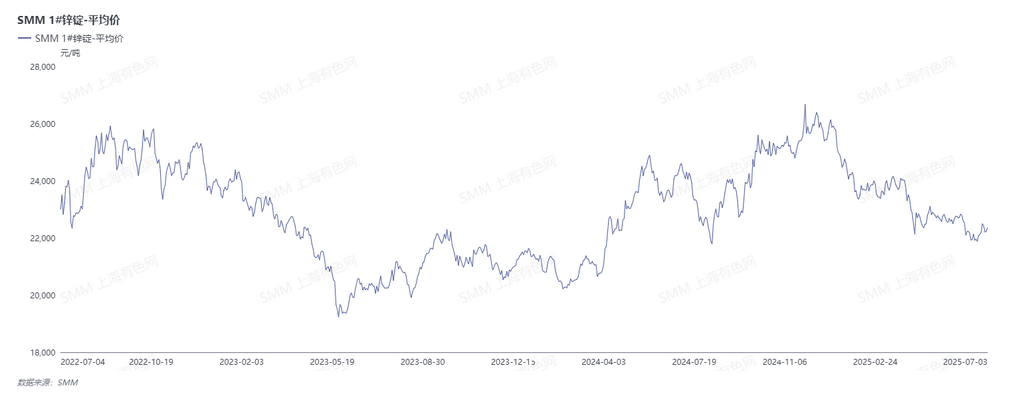
 

From the perspective of Q2, consumption showed strong resilience, and steel mill profits were in good condition, with high production enthusiasm. However, since April, the recycling and emission standards for steel ash have been raised, leading some steel mills to increase the use of rotary hearth furnaces to handle hazardous waste such as steel ash on their own. As a result, the market circulation of steel ash significantly decreased, raw material procurement became more difficult, and the market was in undersupply. Low-grade zinc oxide producers found it challenging to maintain a stable supply.

Some low-grade zinc oxide enterprises have been accumulating raw materials since the Chinese New Year break and only resumed production in May. Steel ash prices remained high, and zinc slag prices were also elevated. Some zinc oxide enterprises began to purchase crude zinc as an alternative raw material, leading to good sales in the crude zinc market. Against the backdrop of increased demand from secondary zinc enterprises, the price of low-grade zinc oxide was strongly supported. Despite a significant decline in zinc ingot prices in Q2, some low-grade zinc oxide enterprises still held back on sales, leading to a tight overall supply of low-grade zinc oxide in the market. Meanwhile, demand continued to increase, and the market coefficient of low-grade zinc oxide significantly improved in Q2.

From the perspective of market prospects, the shortage of raw materials may be difficult to alleviate in the short term. As the downstream enters the off-season, the supply of zinc slag is expected to decrease, while the demand for crude zinc from zinc oxide enterprises remains strong. In terms of secondary zinc, the demand for raw materials is still robust. However, with the rise in zinc prices, some low-grade zinc oxide enterprises have begun to sell off their inventory. If prices continue to climb, secondary zinc enterprises may find it difficult to bear the cost pressure. It is expected that the demand coefficient for low-grade zinc oxide will remain relatively stable in the second half of the year.

(The above information is based on market collection and comprehensive assessment by the SMM research team. The information provided herein is for reference only. This article does not constitute direct advice for investment research decisions. Customers should make cautious decisions and should not replace their independent judgment with this information. Any decisions made by customers are not related to SMM.)

                                                                                          》Click to view the SMM metal industry chain database

Data Source Statement: Except for publicly available information, all other data are processed by SMM based on publicly available information, market communication, and relying on SMM's internal database model. They are for reference only and do not constitute decision-making recommendations.

For any inquiries or for more information, please contact: lemonzhao@smm.cn
For more information on how to access our research reports, please contact:service.en@smm.cn
Related News
Canada Considers National Interest Status to Support Zinc, Copper and Silver Development
10 hours ago
Canada Considers National Interest Status to Support Zinc, Copper and Silver Development
Read More
Canada Considers National Interest Status to Support Zinc, Copper and Silver Development
The Canadian federal government is considering granting national interest status to the Mackenzie Valley Highway and the Grays Bay Road and Port Project (GBRP), two major infrastructure developments aimed at improving access to mineral-rich regions in Nunavut and the Northwest Territories. The Mackenzie Valley Highway would extend approximately 800 km north from Wrigley to Inuvik, while the GBRP includes a deepwater port, airstrip and a 230-km all-season road connecting Nunavut and the Northwest Territories. Canadian officials said the projects could significantly improve transportation infrastructure, reduce logistics costs, and facilitate the development of zinc, copper, silver and other base metal deposits in the Far North. Companies that could benefit include Glencore, MMG and West Kitikmeot Resources. If approved, the projects would become among the first to receive consideration under Canada’s Building Canada Act, potentially accelerating permitting and regulatory approvals through the Major Projects Office.
10 hours ago
[SMM Flash] Nuvau Minerals Confirms High-Grade Gold Potential at Canada’s Historic Matagami Zinc-Copper Camp
11 hours ago
[SMM Flash] Nuvau Minerals Confirms High-Grade Gold Potential at Canada’s Historic Matagami Zinc-Copper Camp
Read More
[SMM Flash] Nuvau Minerals Confirms High-Grade Gold Potential at Canada’s Historic Matagami Zinc-Copper Camp
[SMM Flash] Nuvau Minerals Confirms High-Grade Gold Potential at Canada’s Historic Matagami Zinc-Copper Camp
Nuvau Minerals announced encouraging results from its 2026 winter drilling program at the Thundermine target in Quebec’s historic Matagami mining camp. Drill hole TM-26-001 intersected 6.10 meters grading 5.28 g/t gold, including a higher-grade interval of 3.10 meters grading 7.22 g/t gold. Drill hole TM-26-004 also returned 2.50 meters grading 3.15 g/t gold. The Matagami camp has historically been known for large-scale base metals production, having produced more than 10 billion pounds of zinc and nearly 1 billion pounds of copper since the 1960s. The latest Thundermine results suggest that, beyond its traditional VMS-style copper-zinc mineralization, the district may also host significant orogenic gold potential. Nuvau said a follow-up drilling campaign is scheduled to begin in July 2026, focusing on step-out drilling along strike and down dip from the TM-26-001 intercept to test the continuity and resource growth potential of the high-grade gold zone.
11 hours ago
[SMM Flash]Blue Lagoon Targets 1Moz Resource Growth at Canada’s Dome Mountain Mine as Production Ramps Up
11 hours ago
[SMM Flash]Blue Lagoon Targets 1Moz Resource Growth at Canada’s Dome Mountain Mine as Production Ramps Up
Read More
[SMM Flash]Blue Lagoon Targets 1Moz Resource Growth at Canada’s Dome Mountain Mine as Production Ramps Up
[SMM Flash]Blue Lagoon Targets 1Moz Resource Growth at Canada’s Dome Mountain Mine as Production Ramps Up
Blue Lagoon Resources announced that its Dome Mountain gold-silver mine in British Columbia, Canada, has achieved commercial production and is ramping up throughput from over 100 tonnes per day toward a target rate of 150 tonnes per day. The company expects to produce approximately 15,000 oz of gold over the next 12 months, with annual output potentially increasing to 20,000 oz thereafter. Dome Mountain is a quartz-carbonate vein-hosted gold-silver deposit that also contains lead, zinc and copper credits within its concentrate. Blue Lagoon stated that its next major focus will be exploration, with drilling programs scheduled to resume later this year. The company aims to expand the Boulder vein resource through infill, strike-extension and deep drilling, targeting a long-term resource inventory of 1 million ounces of gold. Current resources at the Boulder vein stand at approximately 234,000 oz of gold, while mineralization remains open along strike and at depth, providing significant resource growth potential.
11 hours ago
The coefficient of low-grade zinc oxide has first fallen and then risen since the first half of 2025. How will it perform in H2? [SMM Analysis] - Shanghai Metals Market (SMM)