Why Is the Zinc Slag Coefficient Remaining High? [SMM Analysis]

Published: Feb 28, 2025 19:26
【Why Does the Zinc Slag Coefficient Remain High?】According to SMM, the overall zinc slag coefficient remained high in February. What are the reasons behind this? How will it perform in the future? ...

SMM February 28 News:

      According to SMM, the overall zinc slag coefficient remained high in February. What are the reasons behind this, and how will it evolve in the future?

      SMM's analysis identifies the following main reasons:
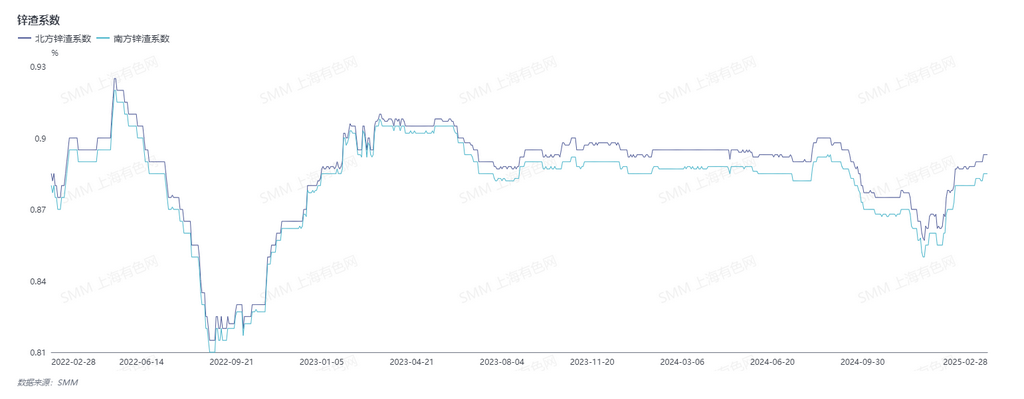


       1. End-use consumption recovery fell short of expectations. While the operating rates of galvanising enterprises in February were slightly better than in January, overall operations did not meet expectations. Zinc slag production was not high, and ferrous metals prices also fluctuated downward. Order volumes were average, production enthusiasm among galvanising enterprises was low, competition pressure was significant, and corporate profits were poor. The room for price concessions by galvanising plants was limited, keeping the coefficient relatively firm.

      2. Zinc price trends provided some support for the zinc slag coefficient. Macro factors were heavily influenced by tariff disturbances, coupled with relatively loose supply and weak consumption. Zinc prices continued to pull back in February. Considering cost issues, some galvanising enterprises were reluctant to sell, waiting for zinc prices to rebound before selling. Others maintained a stand firm on quotes mentality, keeping the zinc slag coefficient high.
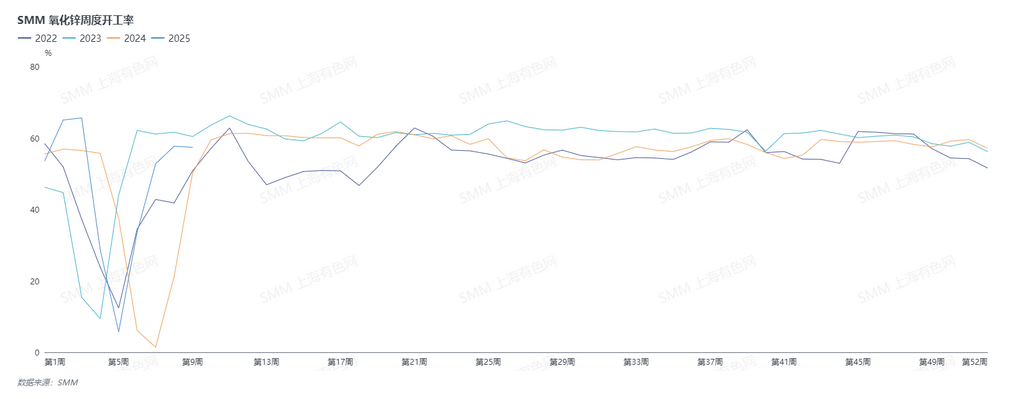
  

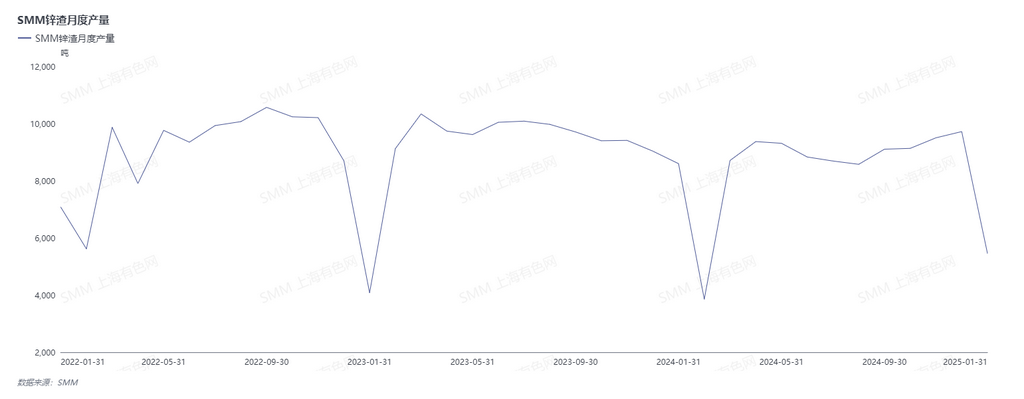
      3. Oxidised zinc enterprises performed well in February, leading to an increase in demand for zinc slag. However, due to the low operating rates of galvanising enterprises and the high zinc slag coefficient, zinc slag was difficult to procure. Many oxidised zinc enterprises opted to purchase crude zinc for producing zinc oxide. The increase in demand for zinc slag was limited and not enough to drive the zinc slag coefficient downward.

      Looking ahead, zinc prices are expected to continue fluctuating downward. With the increase in galvanising plant operations and marginal improvement in consumption, zinc slag production is expected to increase, leading to relatively loose zinc slag supply. Meanwhile, oxidised zinc operations are likely to remain strong. Based on the current operating rates of galvanising enterprises and future expectations, there may be an opportunity for a downward adjustment in the coefficient.

 

Data Source Statement: Except for publicly available information, all other data are processed by SMM based on publicly available information, market communication, and relying on SMM‘s internal database model. They are for reference only and do not constitute decision-making recommendations.

For any inquiries or to learn more information, please contact: lemonzhao@smm.cn
For more information on how to access our research reports, please contact:service.en@smm.cn
Related News
South32 Raises Hermosa Taylor Capex by Over 50%, Delays Production to 2028 H1
May 1, 2026 21:22
South32 Raises Hermosa Taylor Capex by Over 50%, Delays Production to 2028 H1
Read More
South32 Raises Hermosa Taylor Capex by Over 50%, Delays Production to 2028 H1
On April 30th, South32 raised the development cost estimate for the Taylor deposit at its Hermosa zinc-silver project in Arizona, US, and delayed the timeline. First-stage capital expenditure has increased by more than 50%, from $2.2 billion in the 2024 FS to $3.3 billion. First production has been delayed by one year to H2 FY2028, full production has also been pushed back to FY2031. Cost increase was mainly due to contractor underperformance, slower-than-expected construction productivity, scope changes, inflation, US tariffs and higher input costs. Progress on a key ventilation shaft is the main bottleneck now. But the company also noted that ore reserves at Taylor increased by 52%, mineral resources rose by 10%, extending the expected mine life from 28 years to around 33 years.
May 1, 2026 21:22
Monthly Production Declined: Refined Zinc Faces Dual Pressure from Raw Material Supply and Costs [SMM Analysis]
Apr 30, 2026 19:11
Monthly Production Declined: Refined Zinc Faces Dual Pressure from Raw Material Supply and Costs [SMM Analysis]
Read More
Monthly Production Declined: Refined Zinc Faces Dual Pressure from Raw Material Supply and Costs [SMM Analysis]
[Monthly Production Declined: Refined Zinc Faces Dual Pressure from Raw Material Supply and Costs] Overall, refined zinc production release in April and May fell short of expectations, mainly because as ex-China mine disruptions increased and China's ore recovery remained limited, TCs accelerated downward. Imported TCs have already dropped to $39.25/dmt, while China's weekly TCs broke below historical lows to 850 yuan/mt in metal content...
Apr 30, 2026 19:11
Tibet Huayu Reports 2025 Annual Growth in Zinc and Lead-Antimony, Decline in Gold Production
Apr 30, 2026 17:15
Tibet Huayu Reports 2025 Annual Growth in Zinc and Lead-Antimony, Decline in Gold Production
Read More
Tibet Huayu Reports 2025 Annual Growth in Zinc and Lead-Antimony, Decline in Gold Production
[Tibet Huayu 2025 Annual Report Released] On April 29, Tibet Huayu released its 2025 annual report. In 2025, the company completed zinc concentrates production of 21,300 mt in metal content, up 9.07% YoY, lead-antimony concentrates with silver content production of 19,000 mt in metal content, up 14.56% YoY, and gold concentrates of 1,002 kg, down 46.66% YoY.
Apr 30, 2026 17:15