Global prices for nickel, copper, and aluminum have been wildly swinging the past two years. With application in renewable energy infrastructure via EVs and a vehicle for sustainability goals, the metals are now pivotal commodities of the game of energy transition. Yet, the double pressure of new energy demands and green regulation is still the prime driver of their volatile prices.
The New Energy Boom: The Primary Impacter of Copper, Aluminum, and Nickel Prices
Copper: The Pillar of Electrification
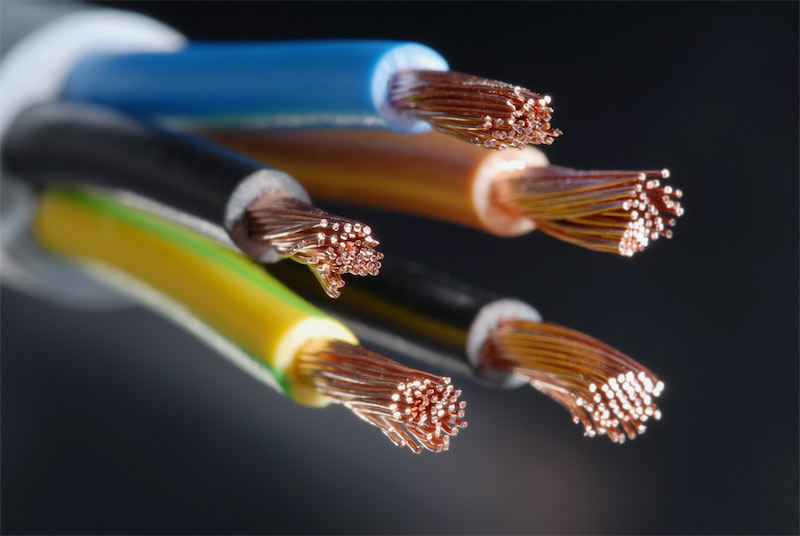
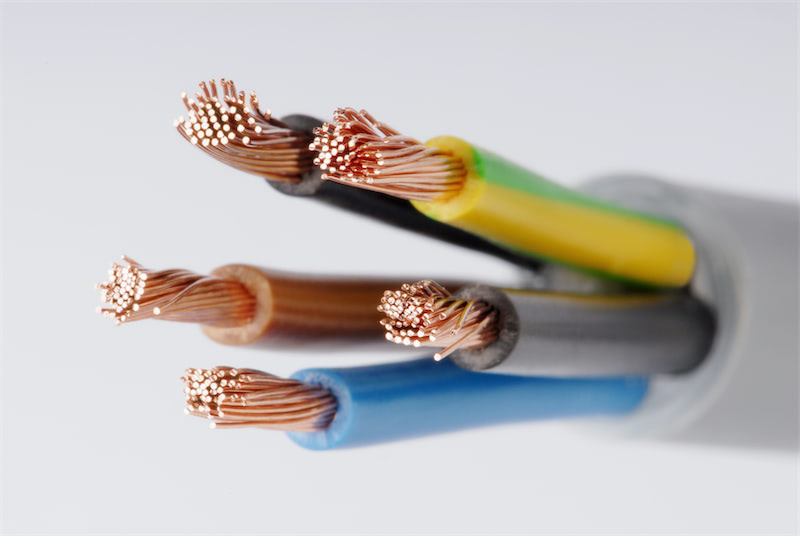
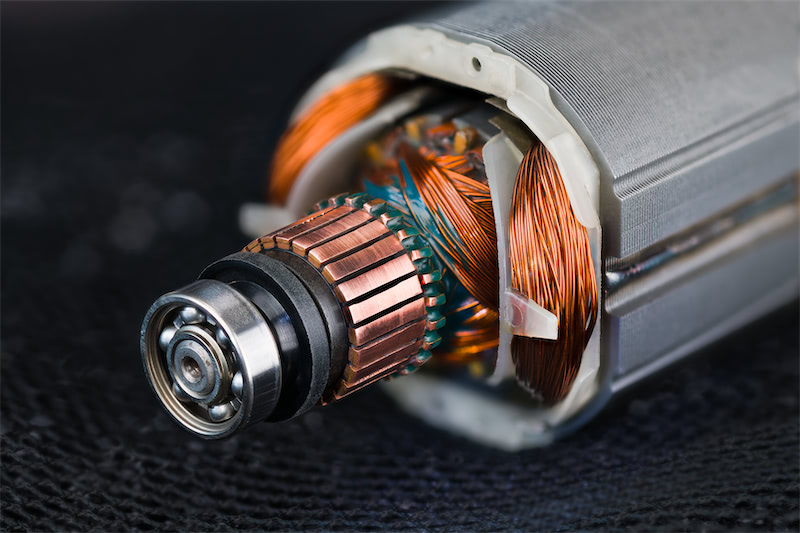
The "metal of electrification" is a term that has been used to describe copper due to its unparalleled conductivity and application in electrical networks. Copper demand has been driven towards greater speeds as the world shifts towards cleaner energy systems, with the unparalleled application in renewable energy installations such as wind turbines, solar panels, and electric vehicles (EVs).
The International Copper Study Group (ICSG) estimated that the global demand for copper from renewable energy will increase by around 30% by 2030. The majority of growth is accounted for by the incremental use of copper to be used in electric vehicles (EVs), used in wiring, batteries, and charging systems. Apart from the EVs' uptake surge that will represent 55% of global total car sales in 2040, according to the International Energy Agency (IEA), copper price is increasingly pushed by its contribution to the green revolution.
Aluminum: The Lightweight Green Mobility Champion
Shining corrosion-resistance aluminum is a critical commodity in the manufacture of electric vehicles and clean technologies devices. The automotive industry is a huge consumer of aluminum, and electric cars can consume between two and three times as much aluminum as the internal combustion engine vehicle because of weight loss. EV demand for aluminum will increase more than 40% by 2030, according to the IEA.
But environmental concerns regarding aluminium production have resulted in tough rules in major industrialized countries such as China, where aluminium smelting has been accompanied by gigantic carbon footprints. Decarbonization has resulted in low-carbon aluminium production, which, although expensive, is becoming increasingly more sought after as producers target sustainability targets.
Nickel: The Power Metal Behind Energy Storage
Nickel is also at the forefront of the world's energy revolution as it finds its way into lithium-ion batteries, which drive electric vehicles and energy storage. With the world's demand for electric vehicles growing by the day all over the world, so too does the demand for high-purity nickel to produce the batteries used in electric vehicles. World Nickel Study forecasts the battery industry alone to generate over 70% of total nickel demand through the year 2040.
But nickel's role during the energy transition is not without a challenge. The metal is extracted predominantly from nickel sulfide and laterite ores, the latter being an environmental pollutant with high carbon footprint in production. The mining operators are henceforth forced to go green in their activities. Supply uncertainty by big producers like Indonesia and the Philippines also contributes to the cost of nickel.
The Environmental Regulations That Are Affecting Metal Prices
Tighter emissions regulations
Environmental regulations that are designed to curb carbon emissions and control global warming are affecting the prices of metals like copper, aluminum, and nickel significantly. China, for instance, has introduced several regulations that are designed to lower the emissions of energy-intensive sectors like the metal sector. They include lowering the production of aluminum during times when energy usage is at its peak and promoting cleaner production methods.
Similarly, the European Union's Green Deal and carbon border adjustment mechanism (CBAM) are pushing producers green by imposing carbon tariffs on imports from countries with laxer environmental laws. These measures are adding to the cost of manufacturing, thus affecting metal prices. For example, there is a low-carbon premium for aluminum, with producers competing to satisfy these new green standards.
The Role of Green Finance and ESG Regulations
Metal producers and investors increasingly consider Environmental, Social, and Governance (ESG) considerations. Products of green finance such as green bonds and green funds are emitted to fund green-trending enterprises, i.e., green production of metals. This has contributed to investment in low-carbon metal processing and extraction technology and also to prices of copper, aluminum, and nickel.
Apart from government action, most multinational businesses are doing so voluntarily on sustainability considerations. The auto, energy, and electronics sectors are now procuring from environmentally high-performance metal producers. All these drivers are calling for low-carbon emitting metals, thereby influencing their market prices consequently.
How SMM Supports the Copper, Aluminum, and Nickel Markets
As one of the leading metal intelligence sources, Shanghai Metals Market (SMM) is a must-read media source of up-to-the-minute news and analysis for copper, aluminum, and nickel companies. SMM's in-depth coverage of the metal market offers authoritative analysis of price trends, supply chains, and production timetables that are a must-read for firms keen to grasp the metal business in the new era.
For example, SMM Copper Weekly report provides in-depth details of the copper market such as spot market movement, domestic social inventory size, and copper import and copper semis production news. Similarly, the SMM Aluminum Weekly report monitors price movement in aluminum ingots and billets, and the SMM Nickel Weekly report monitors supply chain disintegration, demand scenario, and price movement.
Conclusion: An Evolving Market Influenced by Green Energy and Climate Policy
Prices of nickel, copper, and aluminum are more susceptible to the overall effect of increased new energy consumption and tougher environment laws. Although the world shifts towards greener and cleaner systems of power production, these metals are hugely in demand to be utilized in electric vehicles, renewable power grids, and storage energy networks. Growing demand for cleaner production, tougher emissions standards, and increasing importance attached to ESG factors are also behind the price fluctuation.