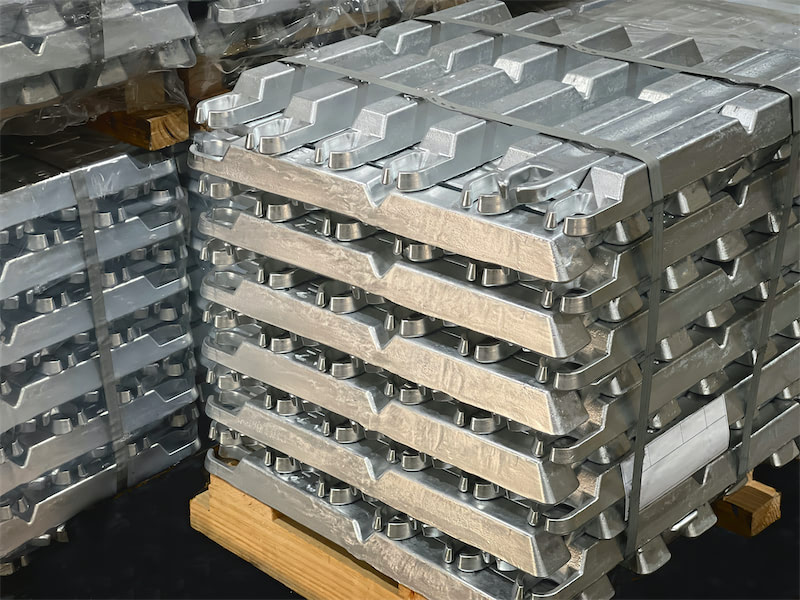
As late August approaches, the turning point for domestic aluminum ingot destocking is becoming apparent. On August 19, 2024, SMM reported a total social inventory of aluminum ingots at 807,000 mt, with 681,000 mt of domestically available aluminum, down 16,000 mt compared to last Thursday. Although current aluminum ingot inventory is still 316,000 mt higher compared to the same period last year, last week's outflows from warehouses increased by 11,200 mt to 116,400 mt, signaling a positive trend for the upcoming traditional peak season.
Regionally, Wuxi, which had seen inventory accumulation for over a month since the end of June with an inventory increase of nearly 100,000 mt, showed signs of reversal this week, with inventory down 5,000 mt compared to last Thursday to 338,000 mt. Despite no growth in weekend outflows, the sharp reduction in inflows by 6,800 mt (over 50%) has significantly eased the pressure, suggesting Wuxi may enter a continuous destocking phase. Foshan saw a nearly 10,000 mt increase in outflows last week, with inventory down 7,000 mt compared to last Thursday, also entering a continuous destocking phase. Weekend outflows increased by nearly 5,000 mt (over 100%), while inflows remained low, down 2,000 mt WoW. The gradual recovery of consumption in South China has clearly impacted aluminum ingot consumption. In Gongyi, outflows increased slightly by 1,000 mt last week, with inventory stabilizing around 90,000 mt, showing a relatively flat trend compared to the other two regions.
Overall, since H2, the casting ingot output from provinces like Yunnan, Xinjiang, Inner Mongolia, and Qinghai has remained high YoY, keeping the supply side loose. However, with the traditional peak season for aluminum processing approaching, the operating rate of intermediate products like aluminum billets is expected to rise, and August casting ingot output is anticipated to decline. Additionally, with the "September-October peak season" approaching, recent aluminum price rebounds have reignited market optimism, and the consumption side has shown signs of stabilization and recovery. Therefore, despite short-term domestic aluminum ingot inventory remaining above 800,000 mt, SMM expects the turning point in domestic aluminum ingot inventory to become clear in late August, with inventory likely to fluctuate around 750,000-850,000 mt. In an optimistic scenario, domestic aluminum ingot inventory could fall to around 750,000 mt by the end of August.
Regarding aluminum billet inventory, the past two weeks have seen accelerated mid-week destocking. This is due to relatively low mid-week inflows and a recovery trend in aluminum billet consumption and demand compared to July, with a slight increase in downstream extrusion operating rates. Although last week's outflows decreased by 3,400 mt WoW to 40,000 mt, weekend destocking continued, indicating no significant increase in supply pressure. According to the latest SMM statistics, as of August 19, domestic aluminum billet social inventory was 115,500 mt, down 2,500 mt WoW, still 38,400 mt higher YoY but slightly lower than the same period in 2022, no longer at a three-year high. SMM expects domestic aluminum billet inventory to remain stable with a slight decline, likely fluctuating around 100,000-150,000 mt in August.
In terms of aluminum billet conversion margins, recent significant rebounds in aluminum prices have led to noticeable corrections in conversion margins across three regions, with varying degrees of adjustment. As of August 19, Foshan's φ120 aluminum billet conversion margins were 290 yuan/mt, down 90 yuan/mt WoW. In East China, Nanchang's φ120 aluminum billet conversion margins decreased by 20 yuan/mt wOw to 260 yuan/mt, while Wuxi's conversion margins fell by 50 yuan/mt WoW to 250 yuan/mt. SMM expects that with the support of increased demand for traditional peak season procurement, the room for further reductions in aluminum billet conversion margins will be limited, and they are expected to show a slightly strong trend.
On the demand side for aluminum billets, mid-August saw a recovery in orders for some sectors and strong aluminum price trends, prompting end-users to place orders. This led to a slight increase in the operating rate of leading domestic aluminum extrusion companies to 51.20%, up 0.70 percentage points WoW. By sector, the construction extrusion sector remained sluggish with no signs of improvement. The industrial extrusion sector saw growth in orders related to 3C and NEV, providing some support for the operating rate; photovoltaic extrusion remained stable, with a slight increase in August scheduled production of module manufacturers. Overall, with the "September-October peak season" approaching, end-user procurement has increased. However, due to the still low operating rate in the construction aluminium extrusion sector, the overall operating rate is unlikely to see significant changes and expected to hold stable in the short term.