Possible impact on the global aluminium market as the US and UK launch a new round of sanctions against Russian aluminium

Published: Apr 16, 2024 14:20
Source: SMM
On 13 April 2024, the United States and the United Kingdom announced new trade restrictions against Russian aluminium, copper, and nickel, prohibiting the London Metal Exchange (LME) and the Chicago Mercantile Exchange (CME) from accepting these metals produced in Russia from 13 April onwards. Moreover,......

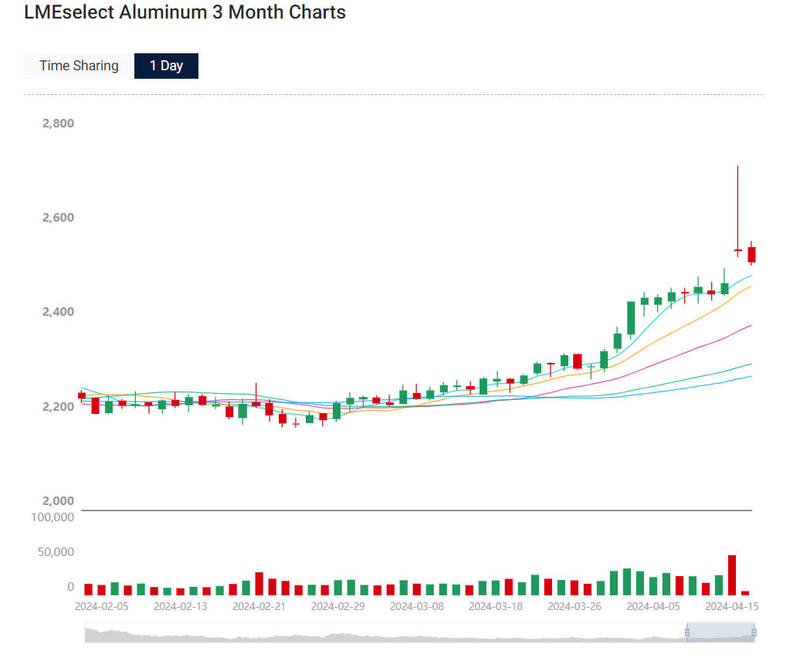
On 13 April 2024, the United States and the United Kingdom announced new trade restrictions against Russian aluminium, copper, and nickel, prohibiting the London Metal Exchange (LME) and the Chicago Mercantile Exchange (CME) from accepting these metals produced in Russia from 13 April onwards. Moreover, both countries have banned the importation of these three metals from Russia. Following these announcements, aluminium prices soared in the early trading session on 15 April, with LME 3M aluminium opening price at a record high of $2,728 per tonne. SHFE aluminium also saw a boost, with the main contract for June reaching 21,345 CNY per tonne.
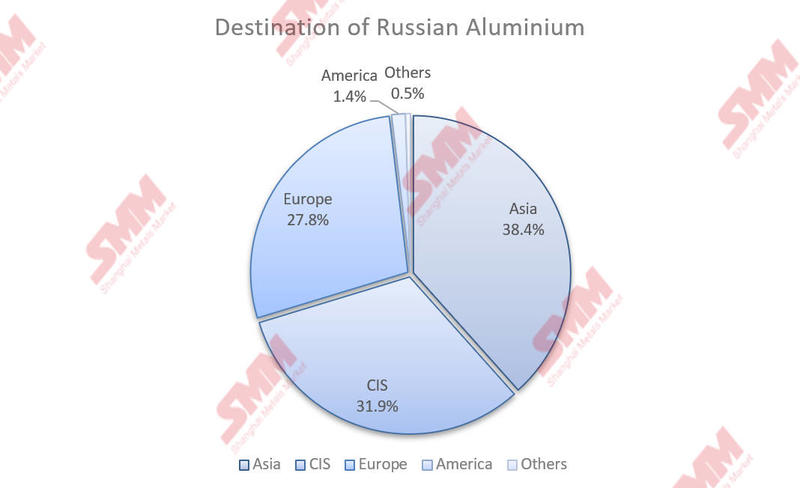
Despite these sanctions, UC RUSAL, Russia's largest aluminium company, said that production at smelters continues without interruption. Russia, a major global producer of aluminium, was responsible for approximately 5.6% of the global supply in 2023, making it the third-largest producer worldwide. According to a 2023 consolidated report from Rusal, its largest market was Asia, accounting for 38.4% of sales. The CIS countries and Europe followed, with 31.9% and 27.8% respectively, while the Americas only accounted for 1.4%.
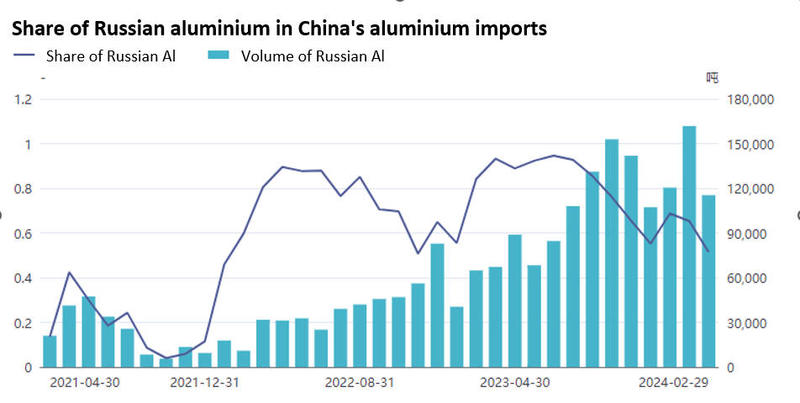
China's aluminium imports from Russia are at a record high. RUSAL generated 23% of its revenue from China last year, compared to just 8% in 2022. RUSAL also holds a 30% stake in an alumina plant of HEBEI WENFENG NEW MATERIALS to fill the alumina supply gap, which was caused by the interruption of its alumina refineries in Australia and Ukraine.


Regarding the impacts of these sanctions, SMM believes there are several main effects:

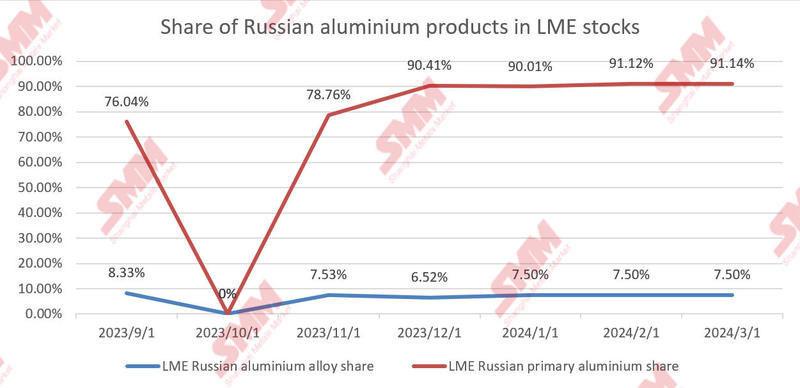
First, the realignment of overseas deliverable resources will take time as non-Russian metals are required to replace Russian metals in LME warehouses, leading to a tightening of deliverable stock. This condition will contribute to increased volatility in LME aluminium prices and heightened short-term upward risks. As of the end of March, Russian aluminium made up 91% of the warrants held.
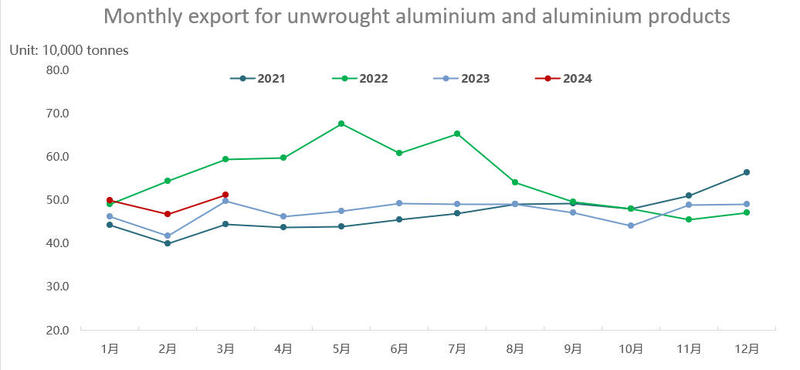
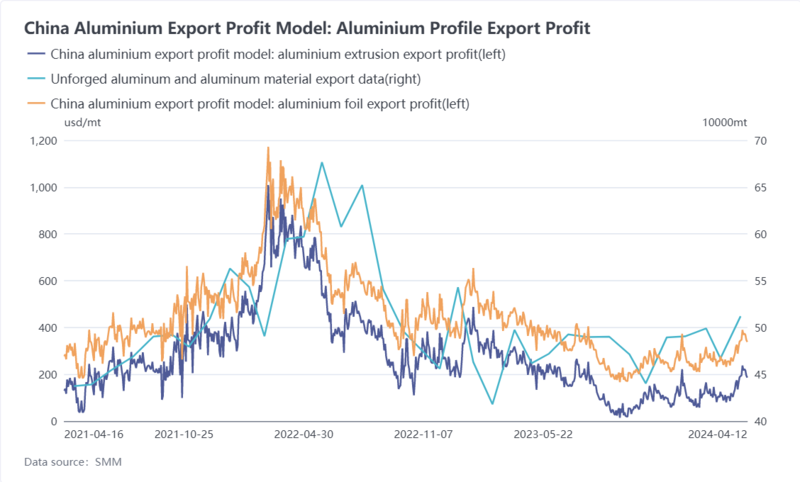
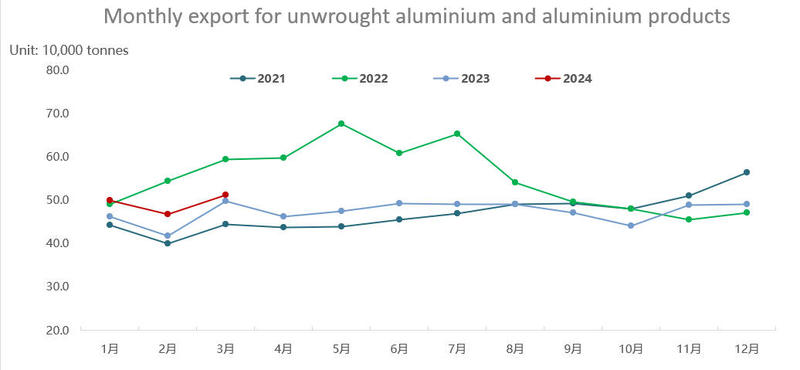
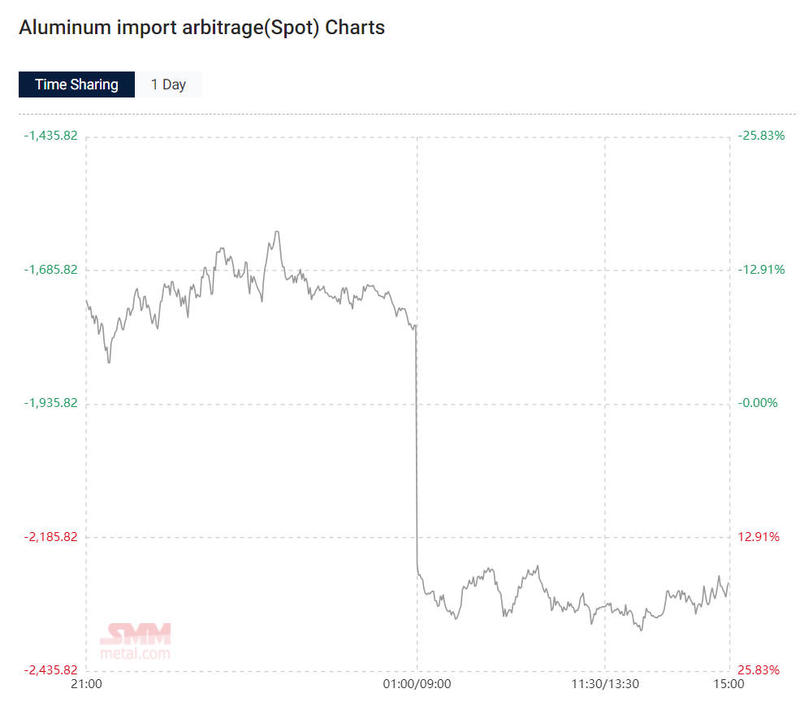
Secondly, the discrepancy between stronger LME aluminium prices and weaker domestic Chinese aluminium prices, where domestic prices are passively following, could boost Chinese aluminium exports. The domestic spot market lacks sufficient momentum to follow suit, resulting in a widening of the discount. This scenario creates an incentive for exports, particularly as regions restricted from trading with Russian aluminium will shift towards importing Chinese aluminium products. Both the increase in export profits and the reorganization of global aluminium supply and demand are conducive to exports.
Thirdly, there is speculation about whether this situation will lead to an increased influx of Russian aluminium into China. While there might be an increment, it is not expected to be complete, as other unrestricted regions also possess the capacity to absorb Russian aluminium. These decisions will be made based on a comparison of actual domestic and international prices. Even though these regions might be more attractive than the Chinese market for Russian aluminium, unless these regions are unable to absorb the surplus of Russian aluminium, there will not be a significant increase in aluminium ingot imports. Given the current prices and overseas consumption capabilities, China is not the primary choice for Russian aluminium but remains one of the alternatives.
Data Source Statement: Except for publicly available information, all other data are processed by SMM based on publicly available information, market communication, and relying on SMM‘s internal database model. They are for reference only and do not constitute decision-making recommendations.

For any inquiries or to learn more information, please contact: lemonzhao@smm.cn
For more information on how to access our research reports, please contact:service.en@smm.cn
Related News
Guinea to Introduce Bauxite Export Controls Next Month, Alumina Rises in Night Session
8 hours ago
Guinea to Introduce Bauxite Export Controls Next Month, Alumina Rises in Night Session
Read More
Guinea to Introduce Bauxite Export Controls Next Month, Alumina Rises in Night Session
Guinea's Minister of Mines confirmed that the country will introduce a bauxite export control plan next month (June), with the core objective of "controlling exports and rebounding prices." Previously, Guinea's bauxite exports reached 183 million mt in 2025, surging 25% YoY, yet prices nearly halved from the early-year highs, with officials explicitly stating that "supply should not exceed demand." Driven by this news, during the night session on the 25th, the most-traded alumina futures contract on SHFE rose by over 4% at one point, with prices reaching a high of 2,837 yuan/mt.
8 hours ago
[SMM Aluminum Flash News] Vietnam’s THACO Plans USD 4.4 Billion Bauxite and Alumina Expansion
13 hours ago
[SMM Aluminum Flash News] Vietnam’s THACO Plans USD 4.4 Billion Bauxite and Alumina Expansion
Read More
[SMM Aluminum Flash News] Vietnam’s THACO Plans USD 4.4 Billion Bauxite and Alumina Expansion
[SMM Aluminum Flash News] Vietnam’s THACO Plans USD 4.4 Billion Bauxite and Alumina Expansion
Vietnamese industrial group THACO is accelerating plans to expand its bauxite and alumina business in Lam Dong Province with proposed investments worth about USD 4.4 billion. The Lam Dong 2 alumina project, valued at around USD 1.9 billion, is designed to produce 2 million tones of alumina annually, with the first 1 million-tone phase targeted for commissioning by 2030. THACO also plans a USD 2.5 billion bauxite mining project with annual ore extraction capacity of about 12 million tones. In addition, the company is studying downstream industrial parks covering aluminum smelting, titanium processing and chemical production. If approved, the projects could turn Lam Dong into one of Vietnam’s largest integrated aluminum industry hubs.
13 hours ago
[SMM Aluminum Flash News] China Studies Coal Waste as New Source of Critical Metals
13 hours ago
[SMM Aluminum Flash News] China Studies Coal Waste as New Source of Critical Metals
Read More
[SMM Aluminum Flash News] China Studies Coal Waste as New Source of Critical Metals
[SMM Aluminum Flash News] China Studies Coal Waste as New Source of Critical Metals
China is exploring the recovery of critical metals such as germanium, aluminum, lithium and gallium from coal waste to strengthen domestic strategic mineral supply. Research shows that fly ash and gangue generated during coal mining, washing and combustion may contain recoverable metals used in batteries, semiconductors, electric vehicles and defense industries. With China’s large coal sector and mature industrial network, existing coal washing plants, chemical facilities and power stations could potentially be adapted for metal extraction. However, differences in coal waste composition across regions continue to create challenges for large-scale and standardized recovery.
13 hours ago