SHANGHAI, Sep 13 (SMM) –Macroeconomics: Domestically, within the economic cycle, positive macroeconomic signals continue to bed released. People's Bank of China, China Banking and Insurance Regulatory Commission, and China Securities Regulatory Commission jointly held a meeting and proposed adjustments to optimize real estate credit policies. Subsequently, several provinces and cities explicitly announced the implementation of "mortgage rates for first-time home buyers regardless of past credit record", and many banks adjusted the interest rates for first-time home buyers' existing home loans. The People's Bank of China successively lowered the LPR and the reserve requirement ratio for foreign currency deposits. During this period, uncertainty increased in the overseas macro environment, with credit rating agencies such as Fitch downgrading the ratings of several U.S. banks. The Federal Reserve is likely to maintain interest rates unchanged in the short term, and the pace of interest rates increase may slow down.
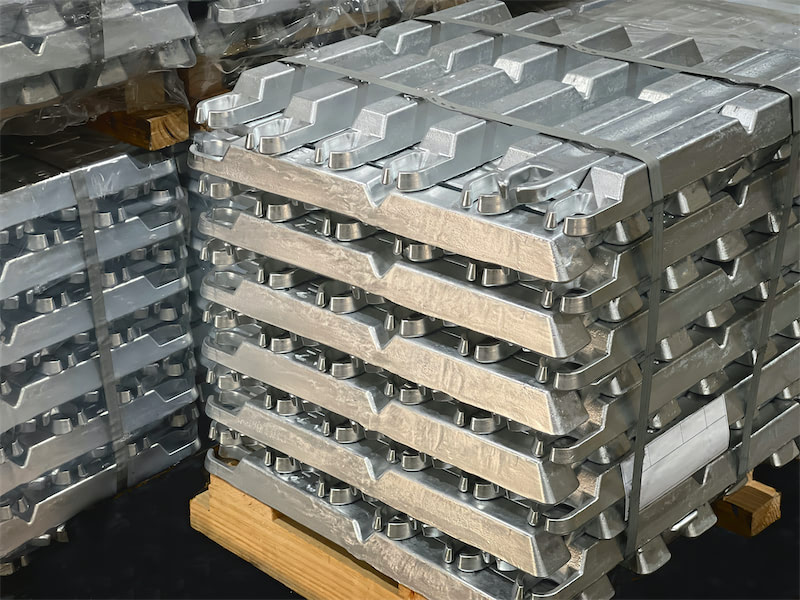
Supply Side: In August, domestic supply growth slowed down, but as production has resumed and was released earlier in Yunnan, supply chain pressures in the Southwest and South China became more prominent. As of early September, domestic operating capacity was around 42.8 million mt, reaching a historical high, with a small room for further increase in September. Meanwhile, the import volume to China resumed since the end of August, with the restored import aluminium ingots profits, aluminium ingots imports increased. It is expected that net imports in August will increase slightly MoM and significantly YoY. As of July, net aluminium imports increased by approximately 716% YoY to around 520,000 mt. The total net imports for the entire year are expected to be around or exceed 900,000 mt. In the future, the growth in domestic supply will be accompanied by rising imports, and the subsequent supply chain pressures may become more prominent.
Demand Side: In August, most domestic downstream manufacturing sectors for aluminium, except for extrusion, showed a MoM improvement. During this month, domestic aluminium social inventories returned to a status of destocking, with aluminium ingots social inventories decreasing by around 48,000 mt. Going into September, downstream aluminium operation in China may maintain a slight growth trend MoM, with a small peak season in industrial extrusion and aluminium plate/sheet, strip, and foil sectors. However, considering the issues of domestic and overseas aluminium supply, it is expected that domestic aluminium ingots may face destocking challenges and accumulate inventories in September.
Summary: During September 12 - October 10, housing policies and the guideline on expanding domestic demand may continue to be implemented in China. However, it will take some time for these policies to be passed to actual downstream orders and demand. Overall, there is a positive outlook for China's macroeconomy. At the same time, high-frequency data from the United States indicates that the U.S. economy remains resilient. The Federal Reserve may continue to adopt a hawkish policy, providing support for the U.S. dollar index and putting pressure on commodities such as non-ferrous metals. As for the fundamentals, domestic aluminium operating capacity continues to reach new heights, but the growth rate of supply may be slowing. Overseas aluminium ingots supply may continue to grow, while consumption growth may be weak. There may still be some minor inventory growth pressure during this month. However, with low inventory, the near-term contracts are expected to remain well supported. In conclusion, according to SMM's forecast (September 12 - October 10), SHFE aluminium may maintain relatively strong, running at around 18,500-19,700 yuan/mt for the entire month. Attention should be given to inventory levels and downstream consumption during the National Day holiday.