An Indonesian cabinet minister said on Wednesday that Indonesia has cut tax incentives to limit investment in low-quality nickel products. The country aims to extract as much value as possible from its rich nickel reserves and drive further downstream investment.
The government plans to invest about $95 billion this year and will continue to focus on processing natural resources, but hopes to save nickel reserves for higher-value products such as the material used to make electric car batteries. Indonesia has the world's largest nickel reserves.
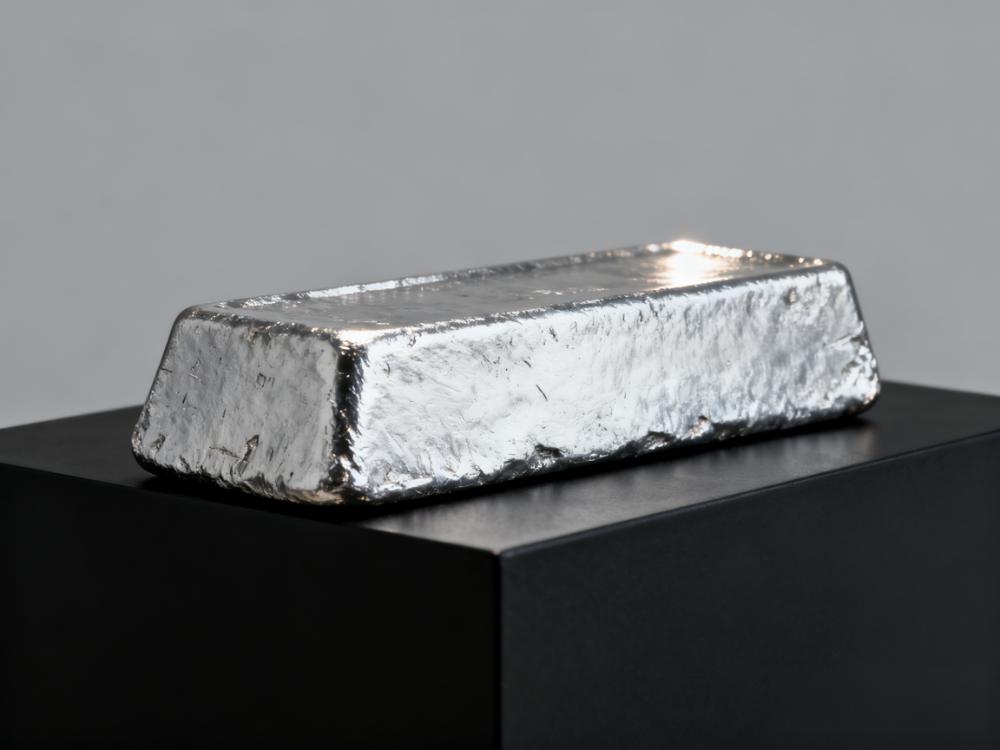
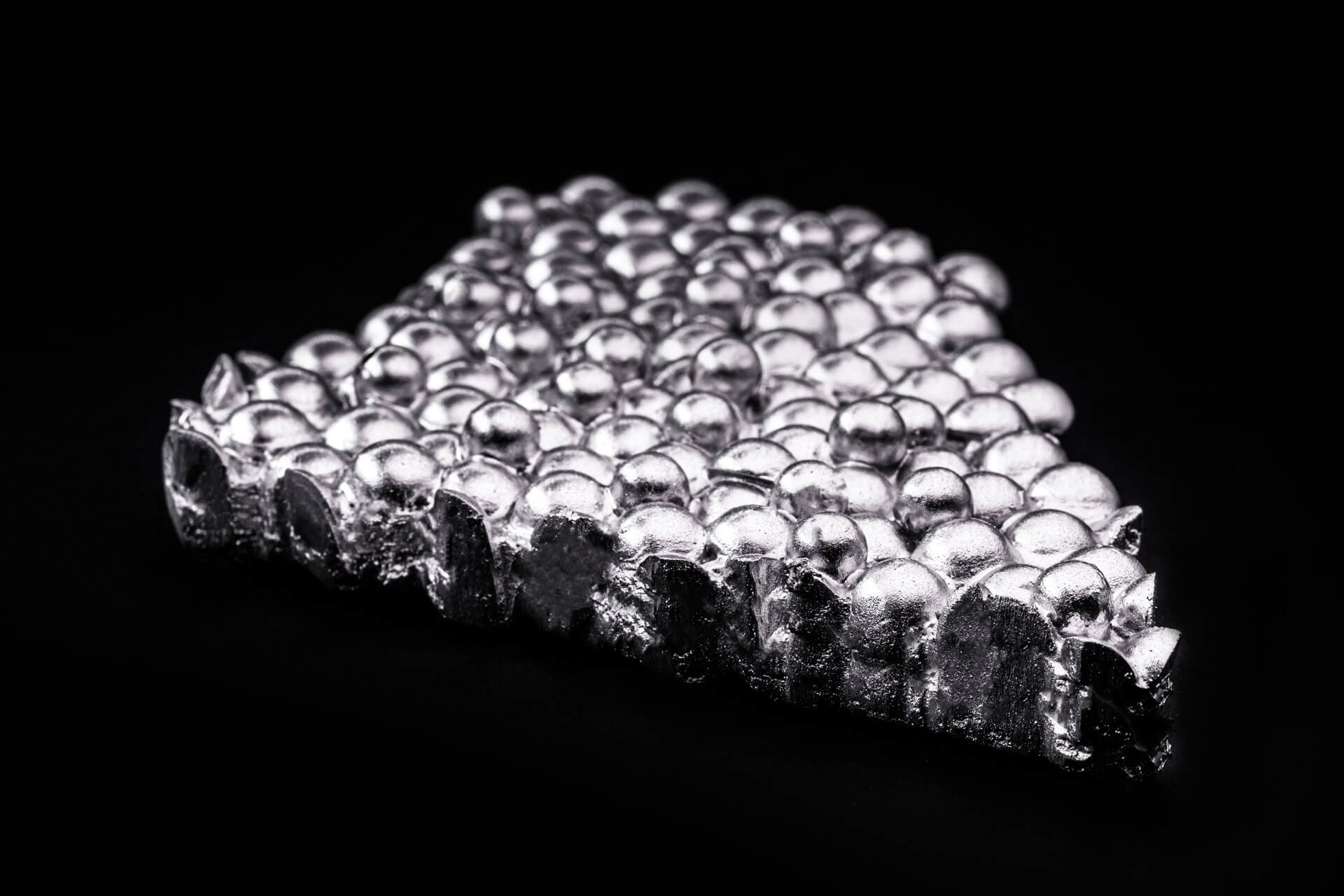
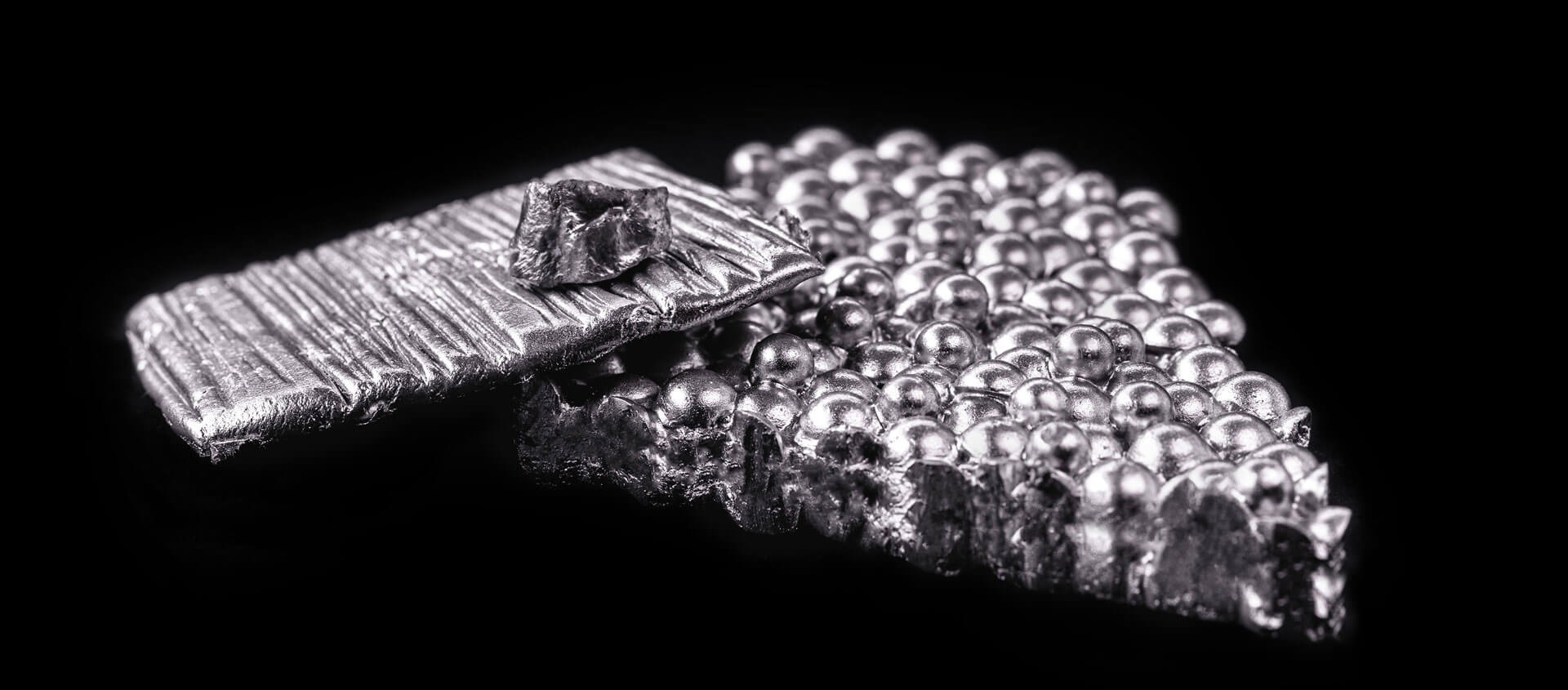
Indonesia has seen a surge in investment in smelters since nickel ore exports were banned in 2020, but most output is ferronickel or nickel pig iron (NPI), a product used in stainless steel that typically contains only 30% to 40% of nickel.
Investments Minister Bahlil Lahadalia said the government will no longer provide tax holidays for NPI investments.
“NPI investments can break even in four to five years, why are we giving a 10-year tax holiday? It's not fair," he added.
He declined to comment on Indonesia's ongoing talks with companies including US automaker Tesla and China's BYD Group to encourage investment.
Meanwhile, the global nickel market is facing a massive oversupply this year due to a surge in Indonesian output. The International Nickel Study Group (INSG) expects a surplus of 239,000 mt, the highest in at least a decade.
Companies such as Trimegah Bangun Persada (TBP) and Merdeka Battery Materials are adding capacity.
TBP's subsidiary currently has a ferronickel smelter with an annual output of 305,000 mt, and plans to add another 12 production lines. Merdeka currently has 38,000 mt of NPI capacity and a third smelter with a capacity of 50,000 mt is expected to start operating in the second half of this year.
The government will require future smelters to be powered by renewable energy, but details are still being finalized, Bahlil said.