

News
Exclusive analysis article with latest market updates, and in-time news feeds.
![[SMM Analysis] Korea’s Automotive Industry: 2030 Competitiveness Depends on EV Transition Execution](https://imgqn.smm.cn/usercenter/JKfXw20251217171731.jpg)
[SMM Analysis] Korea’s Automotive Industry: 2030 Competitiveness Depends on EV Transition Execution
Korea’s auto industry maintained solid exports and production in 2025, but its 2030 competitiveness will depend on EV transition execution. The domestic market has matured, while hybrids have become a defensive pillar. EV adoption remains below the government’s target, and U.S.-EU policy pressure and Chinese EV competition are reshaping export strategies. Future competitiveness will hinge on pricing, localization, battery sourcing, and charging and safety confidence.
May 18, 2026 17:34
HSBC raises silver forecasts for 2026 and 2027 but warns upside may be limited
May 17, 2026 HSBC has increased its silver price forecasts for both 2026 and 2027, although the bank continues to expect limited upside for the precious metal over the medium term. HSBC now projects silver will average $75 per troy ounce in 2026 and $68 per ounce in 2027, compared with previous forecasts of $68.25 and $57, respectively. Silver Rally Fueled by Safe-Haven Demand and Tight Supply Silver surged to a record nominal high of $121 per ounce in late January, supported by soaring gold prices, constrained supply conditions and strong safe-haven demand linked to tariff concerns and geopolitical tensions. The metal later pulled back sharply to around $64 per ounce in early February following a conflict-driven rise in the U.S. dollar and weakness in gold prices, before recovering to trade above $86 per ounce. HSBC Sees Smaller Supply Deficits Ahead Despite raising its price outlook, HSBC maintained a cautious stance, arguing that shrinking supply deficits and softer industrial and jewellery demand are likely to prevent sustained gains. The bank expects the global silver market deficit to narrow to 73 million ounces in 2026 from 143 million ounces in 2025, before tightening further to 25 million ounces in 2027 as mine production and recycling supply increase. “Moderating deficits, in our view, will not be sufficient to propel silver sharply higher for prolonged periods,” said James Steel, chief precious metals analyst at HSBC. The bank expects prices to weaken during the second half of both 2026 and 2027. Industrial and Jewellery Demand Expected to Ease Industrial demand, which accounts for more than half of global silver consumption, declined to 657 million ounces in 2025 from a record 679 million ounces the previous year. HSBC said manufacturers have increasingly sought to reduce or substitute silver usage in response to elevated prices, and the bank expects that trend to continue. The bank forecasts industrial silver demand will decline further to 642 million ounces in 2026 and 618 million ounces in 2027. Jewellery demand is also projected to fall to 157 million ounces this year from 189 million ounces in 2025. Supply Growth Seen Supporting Market Rebalancing On the supply side, HSBC expects mine production to remain broadly unchanged at 848 million ounces in 2026 before rising to 868 million ounces in 2027. Recycling supply is forecast to increase to 216 million ounces this year from 197 million ounces in 2025. Dollar Weakness and Geopolitics Could Offer Support James Steel said expectations for a weaker U.S. dollar and ongoing geopolitical uncertainty could continue to provide some support for silver prices. However, he cautioned that “the gold:silver ratio is likely to widen, allowing silver to ease even if gold rallies.” HSBC set year-end silver price targets of $70 per ounce for 2026 and $65 per ounce for 2027. Source: https://www.msn.com/en-us/money/savingandinvesting/hsbc-raises-silver-forecasts-for-2026-and-2027-but-warns-upside-may-be-limited
May 18, 2026 16:25
World Bank Sees Precious Metals Surging 42% in 2026 Amid Global Turmoil
Published:May 13, 2026 The World Bank recently revised its precious metals outlook for 2026. The group now anticipates this basket of commodities to rise collectively by 42% in 2026. This represents a significant upward shift in projections, primarily fueled by the escalating Middle East conflict, rampant energy supply disruptions, dampened global growth, and heightened financial uncertainty. Precious Metals Lead the Commodity Complex In January 2026, the World Bank issued a commodities report that predicted a positive jump in its precious metals index for the year. This grouping holds gold, silver, and platinum, notably excluding palladium. Within Q1 alone, each asset in this basket of precious metals soared above the group’s expectations. Furthermore, each of these metals climbed to record highs in the early innings of the year. Gold prices shot up beyond $5,400/oz. Silver exploded to $116/oz. Platinum prices jumped to $2,770/oz. In late April, the World Bank issued another commodities report raising its precious metals outlook. Now, the group projects this collection of metals will surge by 42% throughout 2026, compared to the averages in 2025. Crucially, precious metals are projected to outperform nearly all other commodities, including base metals, fertilizer, and even energy prices. The global bank’s forecasts position silver as the highest-performing metal in 2026, with platinum as a close second. While gold is also expected to rise significantly, the yellow metal’s already elevated value means smaller percentage gains. Why the World Bank Expects Precious Metals to Rise A handful of long-running and newly forming factors are propelling the World Bank’s precious metals predictions higher for 2026. This fuel is a combination of geopolitical, macroeconomic, and fiscal policy issues: 1. Geopolitical Safe-Haven Demand Among the more pressing and immediate tailwinds for precious metals is war in Iran , which has spilt over into the broader Middle East region. The conflict has effectively choked off the Hormuz Strait, where nearly 20% of the world’s oil flows through. Drone and artillery attacks on various energy installations throughout the Gulf States further complicate the energy crisis. In response, investors have been actively rotating into safe-haven assets, such as precious metals, to offset the economically damaging effects of the oil shock and broader energy shortage. Historically, gold has consistently shown a tendency to perform well during periods of geopolitical turmoil and a loss of confidence in fiat systems. 2. Inflationary Energy Shock March marked the single largest inflation-adjusted quarterly rise in oil since 1988, per the Energy Information Administration . Throughout Q1, Brent crude nearly doubled, leaping from $61 to $118 per barrel. In March alone, liquid natural gas costs rose by 59% in European markets and by 94% in Asia. This collective surge in energy prices threatens to drive global inflation higher as loftier fuel costs drive up prices in virtually all sectors. The World Bank revised its inflation forecasts for Emerging Market and Developing Economies (EMDEs) to a staggering 5.1%. Once again, precious metals stand to gain, especially gold, which has a proven track record going back centuries for keeping pace with inflation . 3. Market Volatility & Policy Uncertainty The international financial institution further warns that the combination of geopolitical instability and rising inflation threatens to undermine market confidence and fiscal policy direction. Mainstream assets heavily tied to fiat currencies tend to wane during periods of high uncertainty, increasing the appeal of safe-haven assets . Gold demand is likely to increase from central banks, major financial institutions, and retail investors as traditional assets struggle. 4. Slowing Growth & Stagflation Risks At the same time, EMDE inflation is expected to rise, and growth across most economies is projected to fall, creating a one-two punch of economic hardship. This trend is playing out in advanced economies, too, with the U.S. gross domestic product hitting only 0.7% in Q4 2025 . The economy recovered slightly in Q1 2026, reaching 2%, according to the Bureau of Economic Analysis , but it remains far from ideal levels. Source: Bureau of Economic Analysis The alarming trifecta of slowing growth, rising inflation, and soaring commodity prices has the World Bank cautioning about the elevated odds of stagflation . In this challenging economic climate, all the tailwinds for precious metals would only intensify. Precious Metals Forecasts Remain Elevated Although precious metals have moderated since their early-year highs, experts across various sectors remain bullish on the upward potential of these commodities. Most notably, 2026 gold price forecasts remain above $6,000/oz. Meanwhile, silver price predictions for the year sit near $105/oz. These positive expectations fall right in line with the World Bank’s upward revision of its earlier predictions, signaling a strong potential for further growth among these key precious metals. Navigate Global Turmoil with Our Free Precious Metals Guide If you’re interested in learning more about how you can strategically position your portfolio to take advantage of these precious metals, grab a FREE copy of our Precious Metals Investment Guide . It covers everything you need to know about buying, holding, and managing physical gold and silver to protect your wealth. Source: https://www.sbcgold.com/blog/world-bank-sees-precious-metals-surging-42-in-2026-amid-global-turmoil/
May 18, 2026 16:16
Latest News
![[SMM Analysis] Fluctuation Drivers, Current Status and Long-term Prospects of China's Tungsten Market](https://imgqn.smm.cn/production/admin/news/cn/thumb/gsyYF20180628085444.jpeg?imageView2/1/w/176/h/110/q/100)
[SMM Analysis] Fluctuation Drivers, Current Status and Long-term Prospects of China's Tungsten Market
May 22, 2026 13:32
![Spot Prices of Tantalum, Tin, and Pr-Nd Rise, Minor Metal Sector Strengthens, Orient Tantalum Industry and China Tungsten High-Tech Lead the Gains [SMM Express]](https://imgqn.smm.cn/usercenter/pAOxy20251217171725.jpg)
Spot Prices of Tantalum, Tin, and Pr-Nd Rise, Minor Metal Sector Strengthens, Orient Tantalum Industry and China Tungsten High-Tech Lead the Gains [SMM Express]
May 21, 2026 11:28
![A Massive Drop of 57.59%! Tungsten Prices Halved from Highs as Weak Downstream Demand Erased Wolframite Concentrates' Year-to-Date Gains [SMM Commentary]](https://imgqn.smm.cn/usercenter/jMeFI20251217171722.jpeg)
A Massive Drop of 57.59%! Tungsten Prices Halved from Highs as Weak Downstream Demand Erased Wolframite Concentrates' Year-to-Date Gains [SMM Commentary]
May 20, 2026 20:23
A Tungsten Company in Chongyi Lowered Long-Term Contract Prices in the Second Half of May
[Tungsten News Flash] SMM May 20: A tungsten enterprise in Chongyi released its long-term contract prices for the second half of May. Specifically, 55% wolframite concentrates: 414,000 yuan/standard tonne (65%WO3 basis); 55% scheelite concentrates: 413,000 yuan/standard tonne (65%WO3 basis). Ore-end long-term contract prices were lowered by 286,000 yuan/standard tonne (65%WO3 basis) compared with the first half of May. APT (national standard grade zero): 660,000 yuan/mt, down 360,000 yuan/mt from the first half of May. The above prices are inclusive of 13% VAT.
May 20, 2026 14:39
Rotterdam APT Prices Stable, European Scrap Declines, Indian Market Rebounds Slightly
[SMM Tungsten Express] SMM May 14: Rotterdam APT prices remained stable at $2,900-3,200/mtu this week, with suppliers holding prices firm with strong sentiment. Affected by tight spot cargo supply, market transactions fell into a deadlock again, with the situation of quoted prices but no actual deals continuing. European scrap prices continued to decline, with transactions in the range of 98-105 euros/kg; the Indian scrap market rebounded slightly by 4.5% WoW, with scrap tungsten carbide drill bits FOB closed at $110-120/kg.
May 14, 2026 18:54
Liaoning Steel Mill Priced Ferromolybdenum at 324,000, Hebei Steel Mill Tender Failed
[Molybdenum News Flash] SMM May 14: A steel mill in Liaoning priced its ferromolybdenum tender at 324,000 yuan/mt on May 14, payment by bank acceptance. A steel mill in Hebei's ferromolybdenum tender on May 13 ultimately failed.
May 14, 2026 14:43
On May 14, a Mine in Jiangxi Sold 128 mt of Molybdenum Concentrates at 5,230 Yuan
[Molybdenum Flash] SMM May 14: On May 14, a mine in Jiangxi sold 128 mt of molybdenum concentrates with a grade of 45%-50% (average copper 1.72%, average phosphorus 0.077%). The auction transaction price was 5,230 yuan/mtu, with a reserve price of 5,230 yuan/mtu, settled at 35% cash and 65% bank acceptance.
May 14, 2026 14:42
Ministry of Natural Resources Released Mineral Exploration Results: Xiaoliugou in Gansu Added Tungsten
[Tungsten News Flash] The Ministry of Natural Resources released a batch of new-round mineral exploration breakthrough results on May 13. The Xiaoliugou deposit in Gansu added 27,600 mt of WO₃ tungsten resources, representing a significant increment to China's strategic mineral reserves. Project: Detailed exploration of the Shiji ore section, Xiaoliugou mining area, Sunan, Gansu; Mining right holder: Gansu Xinzhou Mining; Resources: WO₃ 27,600 mt (14,800 mt indicated + 12,800 mt inferred); Concurrently announced were multiple major exploration breakthroughs including gold-arsenic in Jilin, chromium-nickel-cobalt-copper-molybdenum-silver in Tibet, gold in Sichuan, and oil and gas in Sichuan (natural gas / helium / shale gas).
May 14, 2026 14:34
A Mine in Jiangxi Sold 128 mt of Molybdenum Concentrates at a Floor Price of 5,230 Yuan
[Molybdenum News Flash] SMM reported on May 14: A mine in Jiangxi sold 128 mt of molybdenum concentrates with 45%-50% grade (average copper content 1.72%, average phosphorus content 0.077%), with a bidding floor price of 5,230 yuan/mtu.
May 14, 2026 11:09
Tungsten Concentrates Market Plunged, Wolframite Concentrates Prices Dropped by 50,000
[Tungsten News Flash] SMM May 14: The tungsten concentrates market showed a sharp downward trend. The spot order negotiation center in the industry continued to shift lower. With intensive maintenance in the downstream APT sector and weakening market demand, suppliers were highly motivated to make shipments, and most spot order negotiations in the market were conducted at significant discounts from the online prices. Major mines in regions such as Jiangxi and Hunan mainly made shipments under long-term contracts. The price spread between long-term contract prices and current market spot order prices widened to over 300,000 yuan/standard tonne (65%WO3 basis). Based on current spot order transaction information and the proportion of long-term contracts, SMM 65% wolframite concentrates closed at 550,500 yuan/standard tonne (65%WO3 basis) today, down 50,000 yuan/standard tonne (65%WO3 basis) from the previous day.
May 14, 2026 09:47
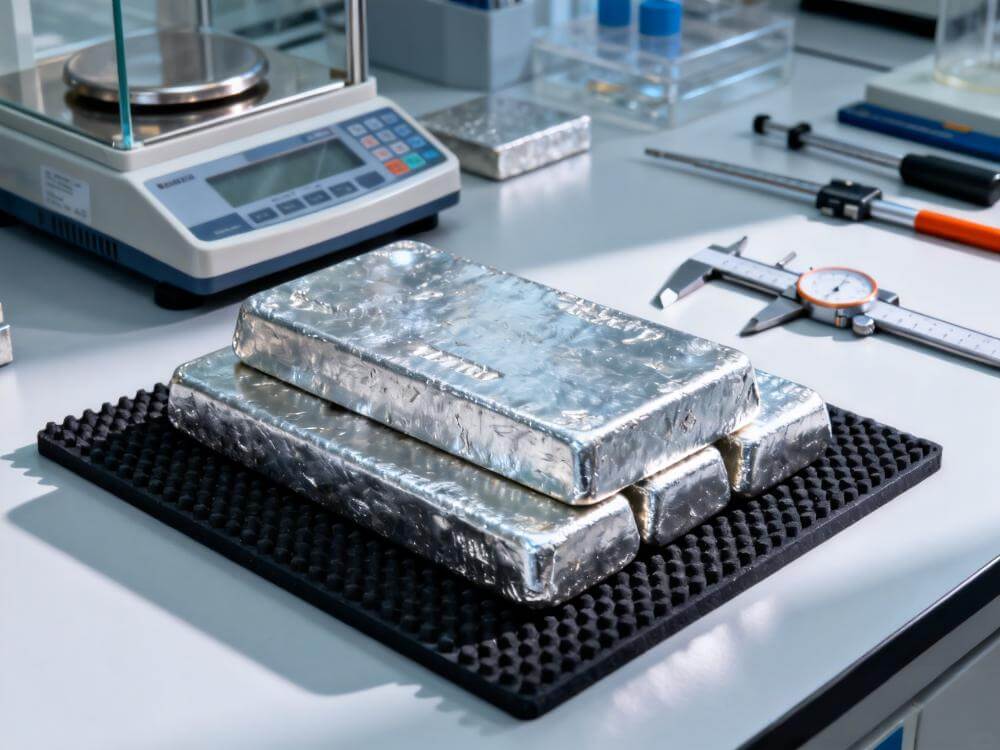
A Jiangxi Miner Sold 73 mt of Low-Grade Tungsten Concentrates via Auction on the 15th
May 13, 2026 11:13
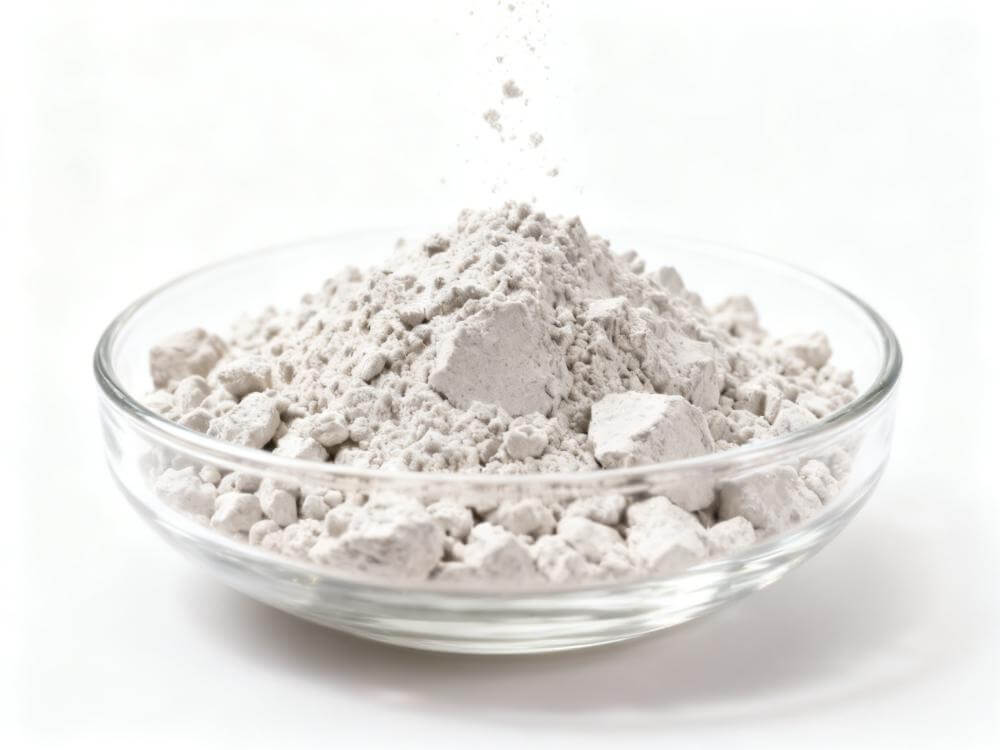
Yunnan Miner Announces Auction Prices for Crude Tungsten-Tin Ore
May 13, 2026 10:35
Luoyang Molybdenum Enterprise Round A Molybdenum Concentrates Auction Price Rose 535 Yuan/mtu
May 12, 2026 09:16
Multiple Tungsten Companies Continue to Lower Long-Term Contract Prices, with a Decline Exceeding 33% in Less Than Two Months — Where Will Tungsten Prices Head Next? [SMM Commentary]
May 9, 2026 08:18
Tungsten Prices Stable in Europe, Scrap Prices Drop in India Amid Weak Demand
[SMM Tungsten Express] SMM May 7: APT CIF Rotterdam prices remained stable at $2,900-3,200/mtu this week, flat WoW. However, market pessimism was strong in the European market this week, with end-users mostly adopting a wait-and-see attitude. Despite no change in the tight supply landscape, there was virtually no substantial trading in the market this week, and buyers and sellers were in a stalemate. In the Indian market, FOB prices for scrap tungsten drill bits were quoted at $100-120/kg, with an average price of $110/kg, down $30 WoW. Market demand was weak, and panic sentiment among scrap dealers intensified, accelerating the price decline.
May 7, 2026 18:52
A Tungsten Company in Jiangxi Lowered Wolframite Concentrates Prices in the First Half of May
[Tungsten News Flash] SMM May 6: A tungsten industry group in Jiangxi released long-term contract prices for the first half of May. The guidance price for national standard grade-one wolframite concentrates for the first half of May 2026 was 720,000 yuan/standard tonne (65%WO3 basis) (long-term contract), down 190,000 yuan/standard tonne (65%WO3 basis) from the second half of April.
May 6, 2026 22:26
APT Prices Steady Amid Divided Market Sentiment, Ferrotungsten and Scrap Prices Decline
[SMM Tungsten Express] APT CIF Rotterdam prices held steady at $2,800-3,200/mt this week, with market sentiment divided. Demand gaps supported continued raises in high-end offers, but influenced by sharp price declines in the Chinese market, European and American buyers generally adopted a wait-and-see approach, with overall transactions hindered. Ferrotungsten and scrap prices continued to decline. Ferrotungsten Rotterdam warehouse was quoted at $280-295/kg W, down $12.5 WoW; European scrap tungsten carbide inserts were quoted at €100-110/kg, down €5 WoW.
Apr 30, 2026 18:06
Focusing on Tin, Tantalum, and Tungsten Resource Development, SMM Visited MMR to Deepen Industry Collaboration and Alignment
Apr 29, 2026 17:25
SMM’s Visit to MMR: Enhancing Collaboration on Tin, Tantalum & Tungsten Resources
Apr 29, 2026 13:55
A Guangdong Tungsten Company Lowered Its Long-Term Contract Price for Tungsten Raw Material in the Second Half of April
[Tungsten Industry Long-term Contract Information] SMM April 25: The long-term contract prices (VAT-inclusive) for tungsten raw materials in the second half of April from a tungsten company in Guangdong were as follows: 55% wolframite concentrates at 780,000 yuan/standard tonne (65%WO3 basis), down 145,000 yuan/standard tonne (65%WO3 basis) from the first half of April; 55% scheelite concentrates at 779,000 yuan/standard tonne (65%WO3 basis), down 145,000 yuan/standard tonne (65%WO3 basis) from the first half of April; APT at 1.2 million yuan/mt, down 200,000 yuan/mt from the first half of the month. Note: The above prices are inclusive of 13% VAT.
Apr 25, 2026 17:53
![[SMM Analysis] Explaining Indonesia's Centralized State-run Management of Resource Exports and Future Possibilities](https://imgqn.smm.cn/usercenter/GmHLU20251217171733.jpg)
[SMM Analysis] Explaining Indonesia's Centralized State-run Management of Resource Exports and Future Possibilities
On May 20, 2026, Indonesian President Prabowo Subianto announced during a plenary session of the National Congress that the government has officially signed a groundbreaking regulation targeting the governance of natural resource exports. This bold policy framework will establish a dedicated state-managed natural resource export agency, executing exports through State-Owned Enterprises (BUMN) acting as government-designated single exporters. According to local media disclosures and presentation slides shown during the session, this centralized mechanism will initially apply to palm oil, coal, and ferroalloys (paduan besi). Under this system, direct private export transactions will be phased out, forcing overseas buyers and Indonesian producers to route contracts, logistics, and payments entirely through state-appointed BUMN nodes. 1. The Two-Phase Implementation Timeline Based on the official policy schematic diagrams disclosed on-site, the transition to a centralized BUMN-led export model will occur in two distinct regulatory phases: Phase 1 (Transition) Time : June 1, 2026 - August 31, 2026 Mechanics : Private enterprises continue to manage some internal administrative and logistics steps. However, all existing and new import-export transactions with overseas buyers must begin a step-by-step migration to BUMN entities. Phase 2 (Full Monopsony) Time : September 1, 2026, Onward Mechanics : Complete takeover. All transaction flows, sales contracts, export declarations, customs clearance, shipping arrangements, and the collection of export earnings (DHE) will be fully managed or led by designated BUMN. 2. Deep Structural Intervention: Pre- to Post-Clearance This regulatory mechanism does not simply install a government "rubber stamp." Instead, it represents a fundamental reallocation of the entire export trade chain, deeply embedding BUMN across three key logistics and financial phases: [Pre-Clearance] ──> [Clearance] ──> [Post-Clearance] (Contracts & Docs) (Customs & Loading) (Payment & FX DHE) Pre-Clearance (Contract & Goods Preparation): This covers verifying legality, IUP mining licenses, export restrictions (Lartas) compliance, sales contract drafting, finalizing payment terms, commercial invoicing, and vessel chartering/cabin bookings. Clearance (Customs & Physical Shipment): Includes filing export declarations (PEB), managing customs system approvals, cargo transport from smelter warehouses to port terminals, loading shipments, and issuing Bills of Lading (B/L). Post-Clearance (Documentation & Capital Flow): BUMN will act as the principal intermediary, dispatching trade documents (B/L, Commercial Invoice, Packing List, Certificate of Origin/COO) to the buyer's issuing bank and managing the repatriation of export proceeds (DHE) under strict domestic banking provisions. 3. The Billion-Dollar Question: Will NPI and FeNi be Classified as "Ferroalloys"? For the global stainless steel and electric vehicle battery supply chains, the immediate focal point is how Indonesia defines the scope of "ferroalloy" (paduan besi). Market consensus strongly suggests that the "ferroalloys" under discussion are highly likely targeting Nickel Pig Iron (NPI), which represents a massive trade flow of approximately 11.5 million tons of Indonesian NPI exports in 2025. However, because the official, legally binding regulation "signed" by the government has not yet been formally released to the public, further clarification is needed to verify the exact scope of affected materials. Crucially, the leaked written draft of the regulation does not actually mention "ferroalloys" at all. The term "ferroalloy" (paduan besi) was only verbally highlighted and presented by President Prabowo during the House of Representatives Plenary Session (Rapat Paripurna DPR) on Wednesday (20/5). According to the leaked draft text, the actual written scope of the law is structured as follows: CHAPTER II: DETERMINATION OF STRATEGIC NATURAL RESOURCE COMMODITIES Article 2 (1) Strategic Natural Resource Commodities subject to export governance include: a. coal; b. palm oil; and c. other strategic natural resource commodities. (2) The Government may amend the Strategic Natural Resource Commodities as referred to in paragraph (1) letters a and b, and establish other Strategic Natural Resource Commodities as referred to in letter c through a coordinated meeting (rapat koordinasi) led by: a. the minister responsible for synchronization, coordination, and control of ministerial affairs in the field of the economy (Coordinating Minister for Economic Affairs / Menko Perekonomian); or b. the minister responsible for synchronization, coordination, and control of ministerial affairs in the field of food (Coordinating Minister for Food / Menko Pangan), attended by relevant ministers/heads of non-ministerial agencies. This clause reveals a crucial legal framework: any expansion of the export control list to designate NPI, FeNi, or related ferronickel alloys under "other strategic commodities" is strictly required to be determined through a formal coordinated meeting (rapat koordinasi) led by either the Coordinating Minister for Economic Affairs or the Coordinating Minister for Food. Because the written regulation itself is silent on "ferroalloys," the legal scope of the policy has not been fixed yet. Until this high-level inter-ministerial coordination meeting (rapat koordinasi) takes place and issues a definitive annex list with matching HS codes, the practical impact on NPI trade remains pending official confirmation. Should nickel-iron intermediates formally fall under the BUMN single-exporter mandate after this meeting, SMM foresees four critical structural disruptions: I. Erosion of Direct Negotiation Flexibility Currently, Indonesian NPI is sold through a highly flexible ecosystem of steel mills, global trading desks, independent brokers, and back-to-back supply contracts. Forcing these contracts to route through a single state exporter compresses the operational room for direct price discovery, spot volume locking, and rapid high-frequency reselling. II. Absolute Export Price Transparency By funneling all sales contracts, shipping invoices, and foreign exchange collection (DHE) through state-owned channels, the Indonesian government will gain real-time, absolute transparency over actual transaction prices. This complements Indonesia's ongoing tightening of domestic mining benchmarks (HPM), the annual RKAB quota system, and the strict requirement for export proceeds to be held in domestic bank accounts. III. Disintermediation of Traders and Brokers In-transit or port-stored nickel-iron inventories have historically served as highly liquid financial assets for brokers and traders who leverage transfer orders and back-to-back contracts. Standardizing all contract entities and payment channels under BUMN will squeeze the margins of non-producing traders, rendering physical spot market quotes highly rigid. IV. Export Execution Delays Migrating long-term off-take agreements to BUMN templates will trigger significant friction during the Phase 1 transition. SMM expects delays stemming from contract re-signings, banking channel adjustments, letter of credit (L/C) re-issuances, and initial administrative coordination at port customs, temporarily disrupting short-term port-arrival schedules. 4. Market and Price Impact Analysis (If NPI were to be Involved) Short-Term Sentiment vs. Medium-Term Realities Short-Term (Sentiment-Driven): The direct impact on physical NPI shipping volumes returning to China will remain limited during the initial transition window, as private exporters continue to assist with logistics. However, given tight domestic nickel ore supplies, production cuts at several RKEF plants, and already declining NPI shipments, the market will likely digest this announcement as a fresh supply-side threat, driving up bullish sentiment. Medium-Term (Structural Shifts): If NPI is formally included in the HS code list, Chinese stainless steel mills will face centralized Indonesian state sellers. This will result in stronger payment scrutiny, fewer options for non-standard flexible transactions, and the virtual elimination of low-cost, off-market FOB deals. Transaction Costs vs. Production Costs Unlike mining-end disruptions such as rising HPM benchmarks, declining laterite ore grades, or restricted RKAB quotas, this export centralization policy does not directly raise the physical smelting cost of NPI. Instead, it functions as a tax on transaction efficiency, increasing compliance burdens, administrative delays, and state oversight on pricing. SMM concludes that the impact of this policy is an increase in "transaction-side friction" rather than raw production costs, which will ultimately support sellers' intentions to hold prices firm and reinforce the price rigidity of high-nickel pig iron. 5. SMM Outlook Indonesia’s new export regulation signals that its resource nationalism is successfully extending its reach beyond the mine gate and tax office, directly into the global sales and trading arena. However, the key takeaway is that nothing is legally set in stone for the nickel industry yet. Because the written regulation currently leaves the door open under "other strategic commodities," and the word "ferroalloy" was only delivered verbally by the President on Wednesday (20/5), the entire framework remains unfixed. The critical indicator for the nickel chain over the coming weeks is whether the upcoming inter-ministerial rapat koordinasi formally adopts the HS codes for NPI and FeNi into the final regulatory annex.
May 20, 2026 18:42
![[SMM Conference] 2026 SMM (3rd) GRMI: Gathering Industry Leaders amid Global Push for Sustainable Development](https://imgqn.smm.cn/production/admin/votes/imagesOizPX20260520144226.jpeg)
[SMM Conference] 2026 SMM (3rd) GRMI: Gathering Industry Leaders amid Global Push for Sustainable Development
May 20, 2026 13:39
![[SMM Analysis] Copper-related Policy Shifts Across the Americas - The United State](https://imgqn.smm.cn/production/admin/votes/imagesgNOka20260520113312.webp)
[SMM Analysis] Copper-related Policy Shifts Across the Americas - The United State
May 20, 2026 11:35
Copper Concentrate TCs Break Through Negative Triple Digits: What Challenges Do Smelters Face?
May 19, 2026 15:48
[SMM Analysis] Korea’s Automotive Industry: 2030 Competitiveness Depends on EV Transition Execution
May 18, 2026 17:34

HSBC raises silver forecasts for 2026 and 2027 but warns upside may be limited
May 18, 2026 16:25

World Bank Sees Precious Metals Surging 42% in 2026 Amid Global Turmoil
May 18, 2026 16:16
Latest News
[SMM Analysis] Fluctuation Drivers, Current Status and Long-term Prospects of China's Tungsten Market
May 22, 2026 13:32
Spot Prices of Tantalum, Tin, and Pr-Nd Rise, Minor Metal Sector Strengthens, Orient Tantalum Industry and China Tungsten High-Tech Lead the Gains [SMM Express]
May 21, 2026 11:28
A Massive Drop of 57.59%! Tungsten Prices Halved from Highs as Weak Downstream Demand Erased Wolframite Concentrates' Year-to-Date Gains [SMM Commentary]
May 20, 2026 20:23
A Tungsten Company in Chongyi Lowered Long-Term Contract Prices in the Second Half of May
May 20, 2026 14:39
Rotterdam APT Prices Stable, European Scrap Declines, Indian Market Rebounds Slightly
May 14, 2026 18:54
Liaoning Steel Mill Priced Ferromolybdenum at 324,000, Hebei Steel Mill Tender Failed
May 14, 2026 14:43
On May 14, a Mine in Jiangxi Sold 128 mt of Molybdenum Concentrates at 5,230 Yuan
May 14, 2026 14:42
Ministry of Natural Resources Released Mineral Exploration Results: Xiaoliugou in Gansu Added Tungsten
May 14, 2026 14:34
A Mine in Jiangxi Sold 128 mt of Molybdenum Concentrates at a Floor Price of 5,230 Yuan
May 14, 2026 11:09
Tungsten Concentrates Market Plunged, Wolframite Concentrates Prices Dropped by 50,000
May 14, 2026 09:47
A Jiangxi Miner Sold 73 mt of Low-Grade Tungsten Concentrates via Auction on the 15th
May 13, 2026 11:13
Yunnan Miner Announces Auction Prices for Crude Tungsten-Tin Ore
May 13, 2026 10:35
Luoyang Molybdenum Enterprise Round A Molybdenum Concentrates Auction Price Rose 535 Yuan/mtu
May 12, 2026 09:16
Multiple Tungsten Companies Continue to Lower Long-Term Contract Prices, with a Decline Exceeding 33% in Less Than Two Months — Where Will Tungsten Prices Head Next? [SMM Commentary]
May 9, 2026 08:18
Tungsten Prices Stable in Europe, Scrap Prices Drop in India Amid Weak Demand
May 7, 2026 18:52
A Tungsten Company in Jiangxi Lowered Wolframite Concentrates Prices in the First Half of May
May 6, 2026 22:26
APT Prices Steady Amid Divided Market Sentiment, Ferrotungsten and Scrap Prices Decline
Apr 30, 2026 18:06
Focusing on Tin, Tantalum, and Tungsten Resource Development, SMM Visited MMR to Deepen Industry Collaboration and Alignment
Apr 29, 2026 17:25
SMM’s Visit to MMR: Enhancing Collaboration on Tin, Tantalum & Tungsten Resources
Apr 29, 2026 13:55
A Guangdong Tungsten Company Lowered Its Long-Term Contract Price for Tungsten Raw Material in the Second Half of April
Apr 25, 2026 17:53