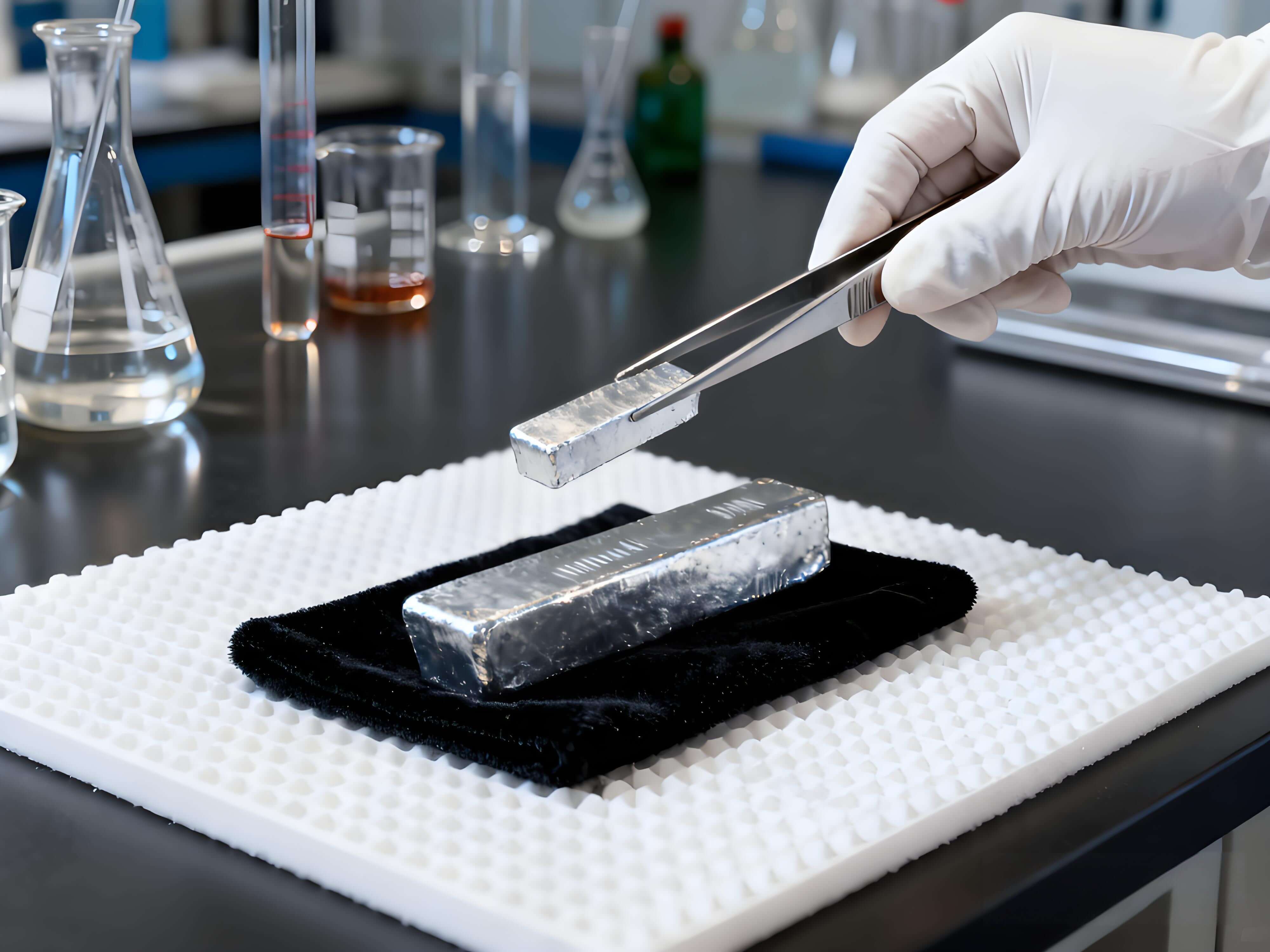
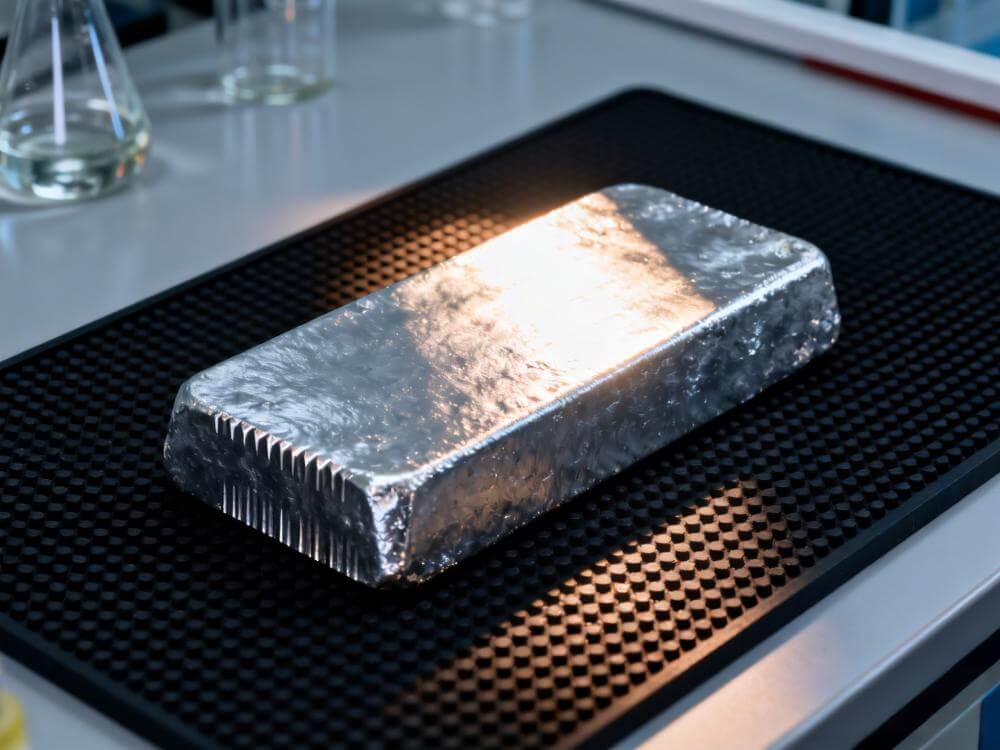
China’s magnesium alloy sector achieved two major breakthroughs, highlighting the strength of indigenous innovation. On one hand, a large-scale magnesium-based solid-state hydrogen storage device equipped with proprietary technology was successfully loaded at Shanghai Waigaoqiao Port and shipped to Malaysia, addressing long-standing pain points in conventional hydrogen storage and transportation and filling a gap in international maritime transport technology. On the other hand, the semi-solid injection-moulded magnesium alloy seat frame assembly of the Hongqi brand under FAW Group was successfully assembled, delivering a key upgrade in vehicle lightweighting with a significant weight reduction per assembly. Spanning the two core fields of hydrogen storage and transportation and automotive lightweighting, these achievements will accelerate the large-scale application of magnesium alloys.
On March 11, 2026, China’s first large-scale magnesium-based solid-state hydrogen storage device in a hydrogen-charged state was loaded at Shanghai Waigaoqiao Port for shipment to Malaysia, marking the world’s first commercial maritime export of large-scale magnesium-based solid-state hydrogen storage equipment. The device adopted magnesium-based hydrogen storage materials and control technology with proprietary intellectual property rights, enabling safe and efficient hydrogen storage and transport at ambient temperature and pressure. A single tank stored 1 mt of hydrogen and had a cycle life of over 3,000 cycles, effectively overcoming the bottlenecks of high costs and stringent safety requirements associated with traditional high-pressure/cryogenic hydrogen storage. With full-process assessment by maritime authorities and support from a green channel, this shipment filled a gap in international maritime transport technology and opened a logistics route for hydrogen energy equipment to go global, marking the entry of magnesium alloys into the stage of large-scale commercial application in hydrogen energy and creating broad opportunities for the global hydrogen energy industry and magnesium material applications.
Recently, the first semi-solid injection-moulded magnesium alloy seat frame assembly of the Hongqi brand under FAW Group completed assembly, passed functional testing, and entered the full-vehicle validation stage. Through integrated innovation in materials-process-structure, the product consolidated 19 parts into 4 magnesium alloy components, reduced weight by 1.35 kg per assembly, and achieved a 26% weight reduction for the replaced sections. It can be adapted to multiple mass-produced and in-development car models and is compatible with steel parts, significantly lowering industrialisation transition costs. This breakthrough was an important milestone for automotive magnesium alloys moving from the laboratory to mass production. Driven by NEV lightweighting and long driving range demands, the application of magnesium alloys in parts such as the auto body, seats, and electric drive housings accelerated, and the automotive magnesium market entered a period of scaled growth.
![[SMM Analysis] Stainless Steel Social Inventory Stopped Rising and Pulled Back, with Recovering Demand in the March-April Peak Season Driving Mild Destocking](https://imgqn.smm.cn/usercenter/UhBXJ20251217171724.jpeg)
![Magnesium Market Continued Consolidating at High Levels, with Cost Support and Demand Stalemate Persisting [SMM Magnesium Weekly Review]](https://imgqn.smm.cn/usercenter/xLlnY20251217171724.jpeg)