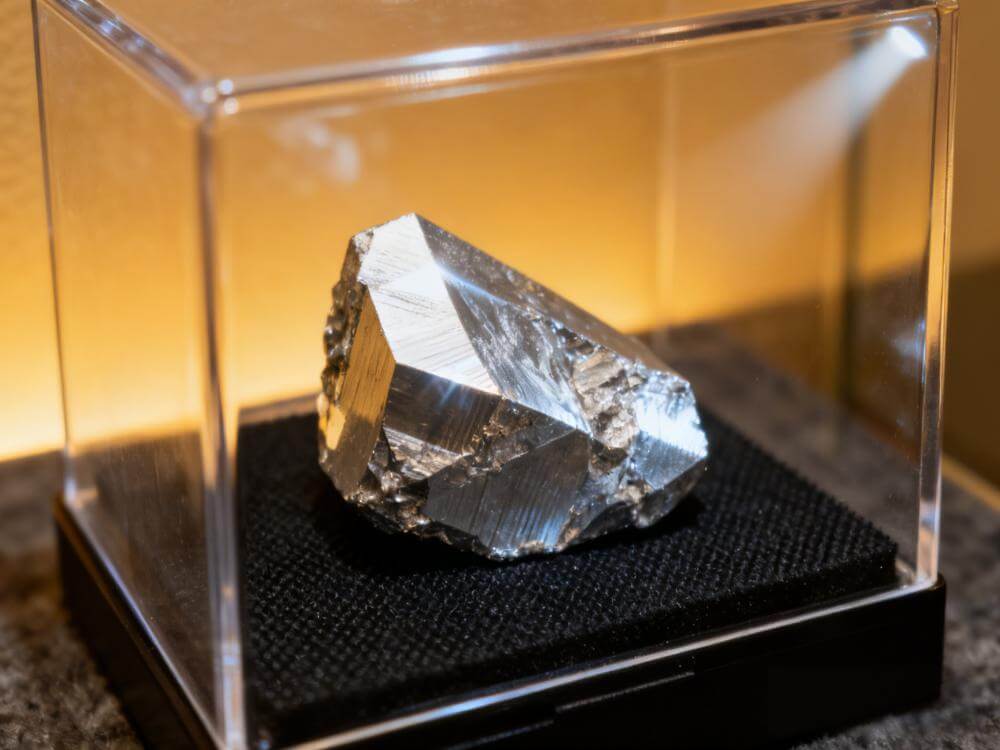
In February 2026, magnesium prices fluctuated rangebound within a price range of 16,400-16,800 yuan/mt. The February average price was 16,464 yuan/mt, flat MoM. In early February, ahead of the Chinese New Year, upstream players’ need to recoup cash and downstream stocking neared completion; coupled with year-end difficulty in securing freight trucks, market trading activity cooled and the magnesium market entered holiday mode early. In mid-February, primary magnesium smelters maintained normal production, while magnesium alloy producers slightly lowered their operating rate, and the magnesium market remained under the Chinese New Year atmosphere. In late February, after the holiday, downstream rigid demand entered the market to restock. Affected by the inventory distribution pattern, circulating supply in the magnesium market was relatively tight. Meanwhile, a decline in semi coke prices drove coal gas costs sharply higher; supported by costs, primary magnesium producers showed strong sentiment to hold prices firm, and magnesium prices rose accordingly.
In February 2026, primary magnesium production fell 4.19% MoM, mainly due to three factors: first, February working days were reduced to 28 days, leading to a slight pullback in production; second, during the Chinese New Year holiday, enterprises faced labor shortages and the production pace slowed down; third, losses pressure was significant, and some smelters halted production, becoming the main driver of the production decline. Looking ahead to March, as working days return to normal, primary magnesium production is expected to rebound slightly, but routine spring maintenance will weigh on supply and become a potential downside risk to production. SMM will continue to track enterprises’ operating dynamics.
In February 2026, magnesium alloy production was lowered by 24.8% MoM, mainly due to simultaneous contraction in downstream demand and raw material supply. On the one hand, during the Chinese New Year holiday, downstream die-casting enterprises suspended operations, orders plunged, and magnesium alloy producers reduced their operating rate based on the principle of producing based on sales. On the other hand, die-casting plants’ holidays, coupled with logistics disruptions, led to a supply deficit of magnesium scrap, further constraining production. As downstream die-casting enterprises resume production and operations, and orders gradually recover, magnesium alloy production is expected to trend upward in March.
Outlook
Bearish factors:Shipping disruptions hit magnesium exports; high detour costs in Europe weaken export advantages
A sudden shift in the Middle East situation led multiple shipping companies to announce suspensions of Red Sea routes, creating multiple impacts on China’s magnesium metal market. First, exports were impeded: a large number of magnesium ingot orders piled up at Tianjin Port, ocean freight and forwarders suspended quotations, and order execution in the Middle East and Europe was clearly hindered. Although European orders could be rerouted via the Cape of Good Hope, freight rates surged, significantly weakening export competitiveness. Second, inventory pressure increased: port cargo could not be shipped out in time, and traders holding cargo became more willing to sell, putting short-term pressure on magnesium prices.
Bullish factors:
Cost side, escalating geopolitical conflicts have lifted expectations for a rise in global energy prices. Upstream raw material prices such as coal, ferrosilicon, and semi coke have upward momentum and are expected to support magnesium metal costs. Demand side, as downstream die-casting enterprises gradually resumed work and production, magnesium alloy plants’ procurement demand for primary magnesium rebounded, which will continue to support demand in the magnesium metal market going forward.
It was expected that the domestic magnesium market in March might show an operating trend of weakening first and strengthening later. In early to mid-March, fear of high prices among downstream players remained, coupled with a temporary gap during the recovery of magnesium alloy demand, and disruptions from the Middle East situation led to some delays in the pace of export procurement, resulting in relatively weak demand support and the possibility of a pull back in magnesium prices. Entering mid- to late March, as downstream demand gradually recovered and the external situation tended to stabilize, magnesium prices were expected to see a rebound. Overall, the average magnesium market price in March was expected to be around 16,550 yuan/mt, slightly raised MoM.

![Baiyin Nonferrous Group Co., Ltd. Copper Tendered 1 mt of Tellurium Ingots [SMM Report]](https://imgqn.smm.cn/usercenter/cgspx20251217171725.jpg)